
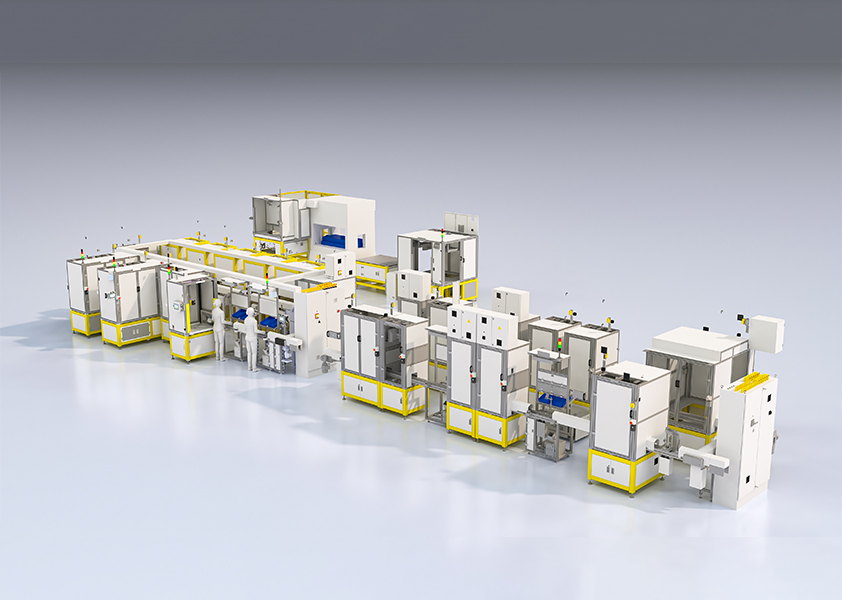
Opening comparison: recipe, mise en place, and project scope
Think of a battery factory like a complex kitchen: every ingredient, tool, and station changes the flavor and final price. When you stack a bill of materials next to labor plans and software licenses, you see how different mixes produce different totals. Engineers talk about takt and throughput; operators listen for the low, steady hum of lines. Early choices about layout and controls decide whether the job will be a delicate soufflé or a slow-cooked stew. That choice is at the heart of automotive automation and shows up immediately on the budget sheet.

Major cost drivers, compared like ingredients
Compare these elements as you would compare salt, fat, heat and time—each alters the outcome drastically.- Equipment: high-precision stacking robots and vision systems cost more than simple conveyors, but they tighten yield and lower rework.- Facility work: power upgrades and clean-room enclosures can outweigh robotics if the plant needs heavy retrofits.- Software and integration: a matched MES and PLC architecture costs time and money to tune; mismatches create extra integration labor.- Labor model: automated cells reduce repetitive heads-on-the-line roles but raise demand for skilled technicians and OT security staff.- Materials handling: custom jigs, automated guided vehicles, and flammable-material safeguards add layers of cost that compound with scale.Stack them differently and the total project value shifts like a taste profile.
CapEx vs OpEx — which pot cooks longer?
CapEx is the upfront stove purchase; OpEx is the gas you pay each month. Some projects buy premium automation to cut OpEx steeply—high capital, lower running cost. Others opt for cheaper tools and accept higher maintenance and labor costs. Compare scenarios:- High CapEx: premium robotics, full automation, lower hourly labor costs, predictable energy profiles.- Low CapEx: staged automation, retrofit-friendly equipment, higher variable labor and quality-risk.The right balance depends on expected production life and ramp rate. A ten-year production horizon often justifies higher initial spice levels.
Integration and software: the seasoning that binds flavors
Hardware without software is bland. Integration brings PLCs, vision, MES, and analytics together; that work is fiddly and expensive. Poorly chosen control architectures create latency, faulty handoffs, and hidden downtime. Spend on robust system architecture early—proper fieldbus design, cyber hygiene, and data models—so later tuning is a seasoning tweak, not a recipe rewrite.

Yield, quality, and the cost of rework
Yield is taste-tested quality. A 1% improvement in first-pass yield can trump savings from cheaper equipment. Rework spreads hidden costs: extra labor, scrap, delayed shipments, and reputational damage. Invest in inline inspection, traceability, and quick-fix tooling when quality variance is likely. Those investments cost more at purchase but save on the long-run expense of repairing burned batches.
Scale and timeline: simmering vs. flash-sauté
Small pilots let you taste and adjust; full-scale lines demand a fixed, efficient mise en place. Fast rollouts introduce premiums for expedited material procurement and parallel commissioning teams. Slow builds reduce pressure but increase overhead and market-risk exposure. Choose a rhythm that fits market commitments and your tolerance for stretch costs.
Choosing suppliers and alternatives — a side-by-side tasting
Compare integrators like chefs:- Local integrators: quick on-site response, deep understanding of local labor norms.- Global OEMs: standardized hardware, longer lead times, stronger warranty terms.- Specialist vendors: excellent niche tools (laser welders, electrolyte dispensers) but require careful integration.Look for firms that demonstrate prior success with battery lines or with OEMs similar in volume. At trade showcases such as Auto Shanghai, manufacturers often reveal integrated cells and line concepts—those demonstrations help you taste what full solutions might cost in practice. When vetting, ask for clear case studies, failure modes, and a mapped timeline for commissioning.
Common pitfalls and how to avoid burnt edges
Avoid three repeated mistakes:- Underestimating system integration time: assume integration needs 30–50% of total project schedule.- Ignoring facilities readiness: missing power or compressed air upgrades stops commissioning cold.- Treating software as an afterthought: custom MES changes late in the program double test time.Plan mitigation: staged rollouts, parallel facility works, and early software testbeds. Those steps keep the project from burning at the edges.
Short evaluator: when bespoke automation beats boxed systems
Boxed, off-the-shelf cells are fast and predictable but limited in flexibility. Bespoke automation costs more but suits unique chemistries, nonstandard pouch sizes, or aggressive cycle targets. Choose bespoke when product variance and long production life justify higher initial pricing; choose boxed when speed-to-market and capital discipline dominate.
Final synthesis: the recipe that yields project value
Compare choices, taste them against expected volumes, and blend equipment, software, and people carefully. A balanced recipe—appropriate robotic precision, solid integration, and measured scaling—keeps cost overruns down and yields steady production. Engineers who’ve overseen multiple battery projects recommend early systems mock-ups and clear handoffs between design and commissioning teams. That pragmatic approach often leads teams to partner with established industrial automation integrators; such collaboration is where consistent project value becomes tangible, as seen in real deployment stories. The result reads like a well-cooked meal: components harmonize, costs align with expectations, and the plant runs cleanly with partners such as FHS.