
Introduction
Have you ever stood by a busy body shop and wondered why the air still feels heavy despite the ductwork and fans humming away?
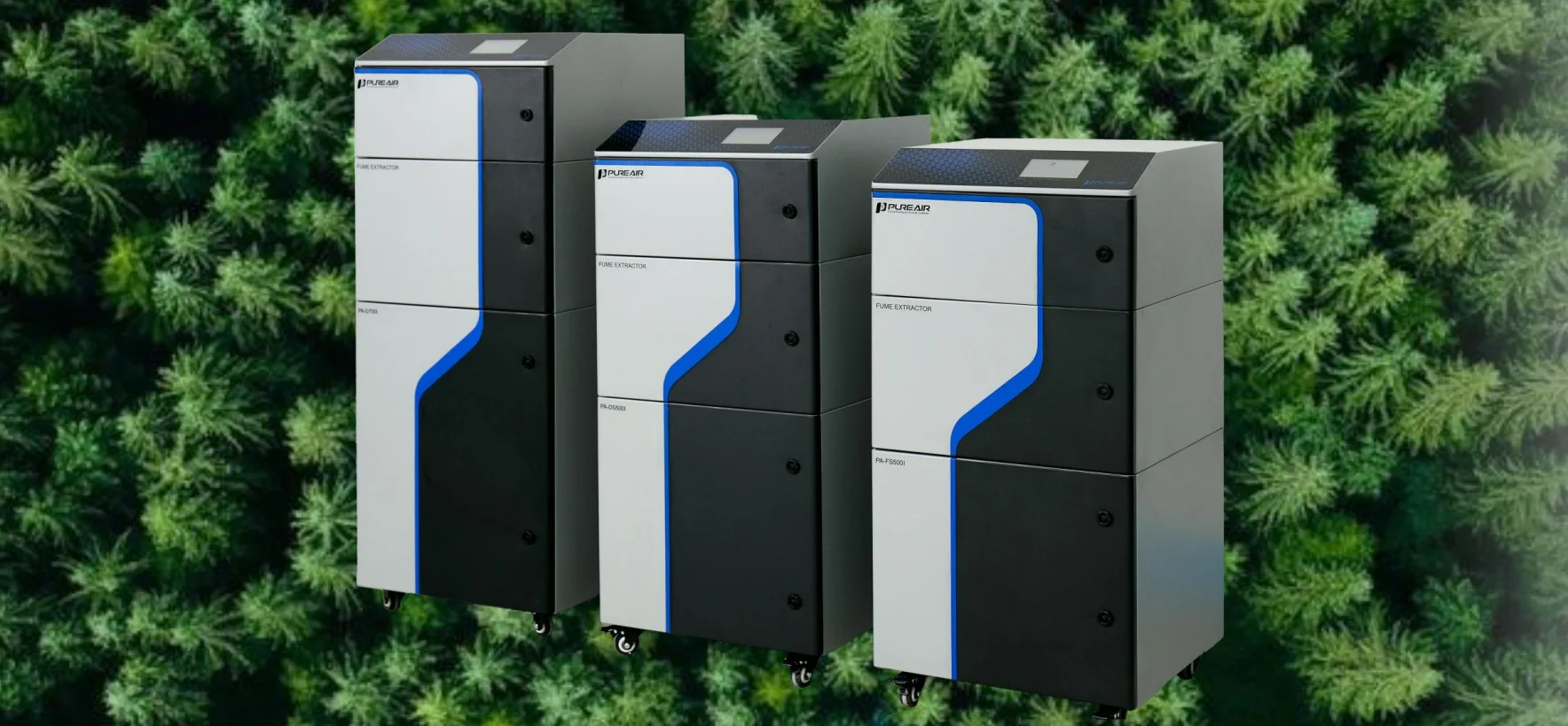
In many plants the rapid rise in throughput and tighter tolerances have pushed the discussion of automotive manufacturing welding fume extraction to the top of the agenda (I’ve been there on the shop floor, squinting at smoke trails). Recent monitoring I’ve seen shows particulate counts and metal-laden aerosols creeping higher during peak shifts, and that raises a simple question: are our current systems truly controlling exposure or merely moving the problem around?
Here I want to share what I’ve learned in practical terms — from capture hoods to filter bays — and invite you to compare real trade-offs rather than accept the same old fixes. We’ll look at where traditional approaches fail, what new principles can help, and three pragmatic metrics you can use to judge any solution. Let’s move on to the flaws — so we can fix them properly.
Where Traditional Systems Fail
What’s missing?
I’ll be blunt: many facilities treat automotive weld fume extraction as an afterthought. That shows up as poor hood placement, undersized fans, and filters that clog too fast. From my experience, the usual suspects are predictable — low capture velocity, mismatched local exhaust ventilation (LEV), and cheap HEPA filters installed as an afterthought rather than designed into the flow path.
Technically speaking, capture velocity and filtration efficiency matter more than horsepower on a fan. If the hood sits too far from the weld point, you need exponential increases in airflow to maintain capture — which is costly and noisy. Then there’s the operational side: maintenance schedules slip, filter bypass seals fail, and power converters strain under variable loads. Look, it’s simpler than you think: a well-designed LEV system that matches hood geometry and capture velocity will beat a brute-force approach every time.
On top of that, hidden user pain points compound the issue. Welders complain about draughts and poor visibility; supervisors see rising reject rates; maintenance teams battle access constraints. These are not minor annoyances — they drive behavioural workarounds (tacking hoods aside, using temporary fans) that defeat the control goals. I’ve watched teams do this, and it’s frustrating — because the fixes are often straightforward, but require coordination and a willingness to change the system rather than patch it.
New Principles for a Better Future
What’s Next?
Moving forward, I favour solutions built from first principles: match the hood to the weld, design for maintainability, and use monitoring to close the loop. That means thinking about airflow patterns, filtration efficiency, and simple sensor feedback — not just bigger fans. Emerging approaches also layer in smart elements: low-cost sensors and edge computing nodes to flag underperformance before exposures spike. When you pair good capture design with real-time feedback, you reduce downtime and avoid emergency fixes.
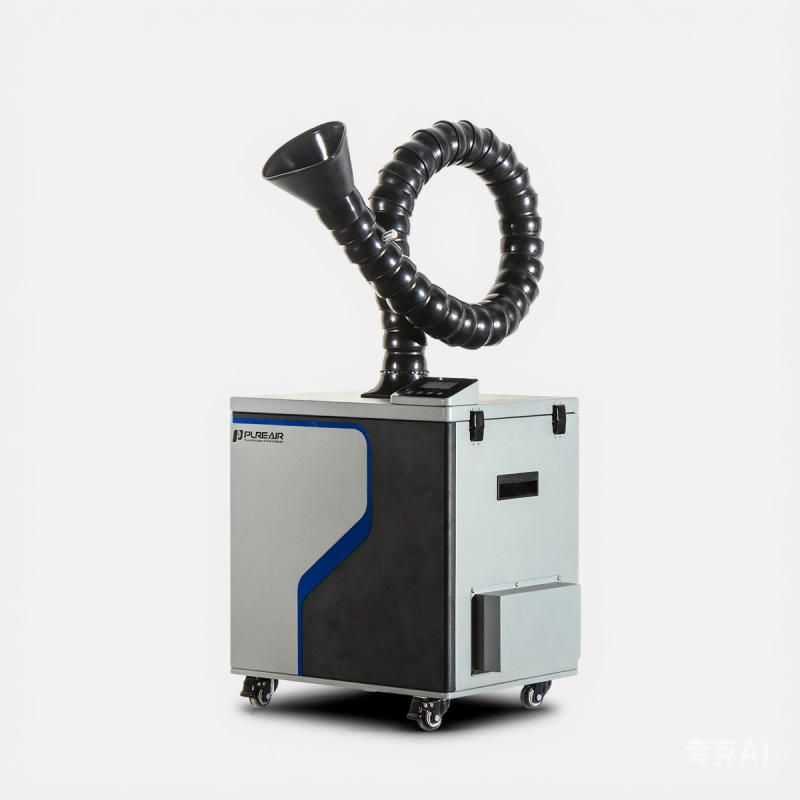
Consider a compact, modular extractor placed close to the process, with a specified capture velocity and service-friendly filter trays. Add modest sensors that track pressure drop and particulate counts, and you get early warning of filter saturation. It’s not magic — but it changes behaviour. — funny how that works, right? We move from firefighting to prevention, and that saves money and, more importantly, reduces risk to people.
To choose between options, I recommend three simple evaluation metrics: 1) measured capture at the weld joint (not just duct flow), 2) end-to-end filtration efficiency for metal fume, and 3) total cost of ownership including filter change downtime. Use these to compare vendors and designs; they force you to look past specs on paper and into real performance. In closing, I’ll say this plainly: I’ve seen modest investments in design and monitoring yield measurable drops in airborne contaminants and faster cycle times. For practical solutions and expertise, consider the offerings from PURE-AIR.