
Opening: Why this comparison matters
Buyers face a crowded market of panel types, firmware models, and aftersales claims. A clear comparison helps. This guide compares technical strengths, common trade-offs, and sourcing realities so you pick the right tv manufacturer for your needs without guesswork.
Core technical criteria to compare
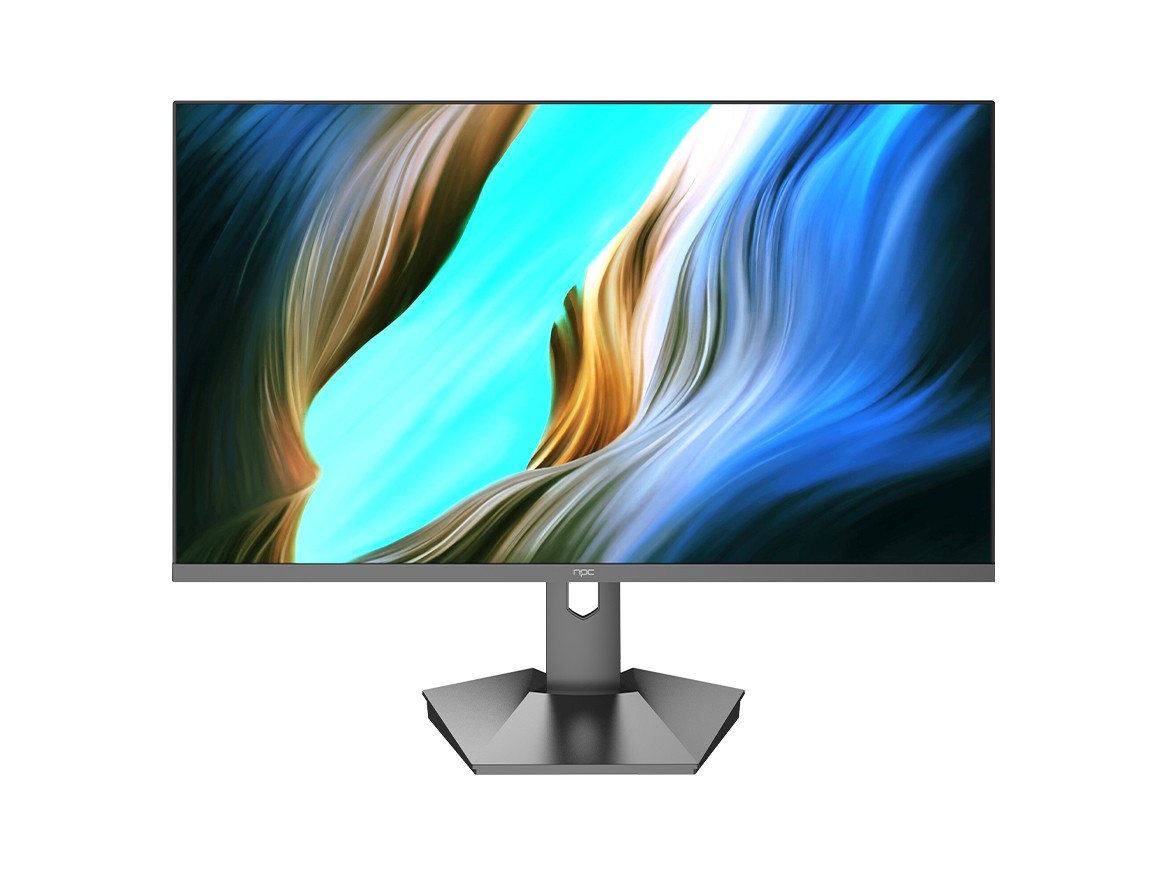
Start with display technology: OLED offers pixel-level dimming and deep black; Mini‑LED/QLED stacks high peak brightness with local dimming zones. Check color gamut (DCI‑P3 coverage), contrast ratio, and native refresh rate. Processing matters: upscalers, motion engines, and HDR tone-mapping change real-world image quality. Inputs and codecs are concrete specs: HDMI 2.1 with VRR/ALLM and AV1 support matter for consoles and streaming longevity. Reliability metrics include component sourcing (panel vendor), mean time between failures (MTBF) if available, and firmware update cadence.
Comparative snapshot of leading manufacturers
Samsung: strong Mini‑LED and QLED platforms, robust smart platform, excellent peak brightness. LG: leader for OLED and color control, reliable WebOS updates. Sony: top-end processing and calibration, often pairs LG/OLED panels with superior scalers. TCL/Hisense: value-focused, aggressive pricing, good for large sizes at lower cost but variable firmware polish. Chinese brands (Xiaomi, others): rapid iteration and competitive pricing, best when you validate regional warranty and service. Choose by use-case: cinema (OLED/accurate color), bright-room HDR (Mini‑LED/QLED), budget large-screen (value brands).
Firmware, service, and warranty — non-obvious differentiators
Two TVs with similar panel specs can behave differently after six months. Look for manufacturers with transparent firmware update logs and clear rollback procedures. Check warranty length and on-site vs depot repair. Ask how often critical security patches and app updates are issued. Procurement teams should request a service-level agreement or documented repair turnaround times for commercial purchases.
Common mistakes buyers make
Buyers often rely solely on peak brightness or a single lab score. They ignore panel origin—same brand can source panels from different vendors leading to variation. Another error: assuming smart platforms are permanent; many vendors deprecate apps after a few years. Also, undervaluing calibration: out-of-box modes are usually inflated—plan for basic calibration or factory-certified modes for professional use.
Wholesale and supply considerations — industry signal
Sourcing at scale introduces logistics constraints and batch variance. At CES in Las Vegas, manufacturers routinely display production readiness and volume capability; that event is a practical signal of who can supply large orders reliably, and it’s where many buyers first assess options for wholesale tvs. From procurement experience and hands-on QA visits, verify minimum order quantities, testing protocols, and spare‑parts availability before committing.
How to validate a manufacturer before you buy
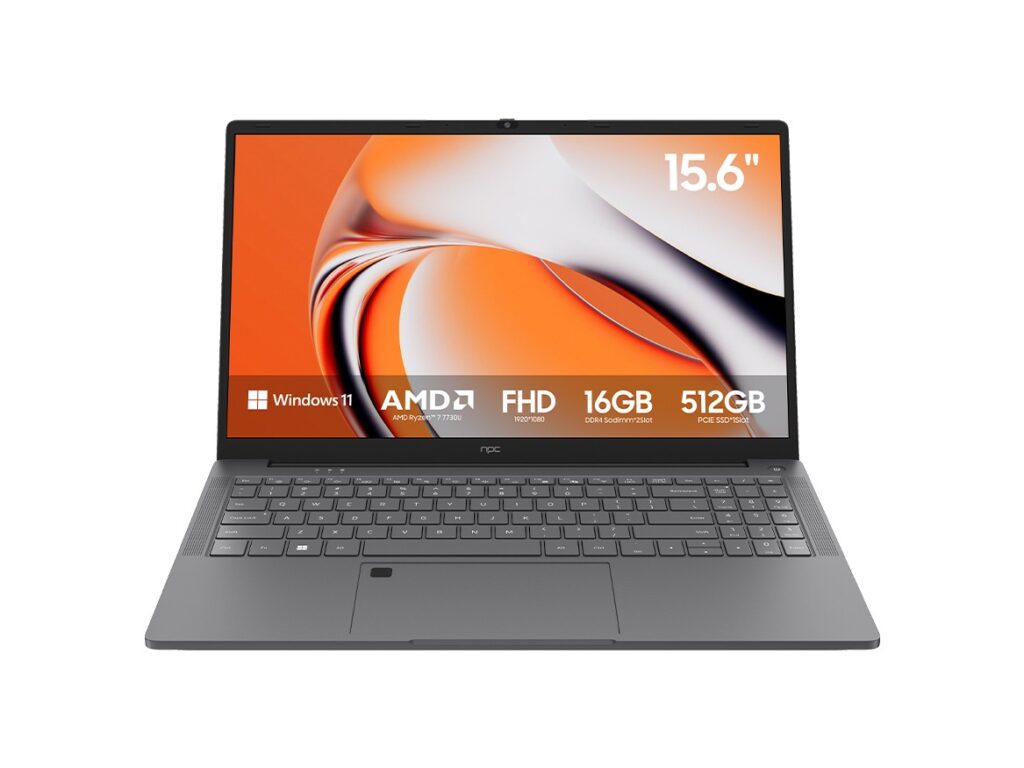
Request sample units for long-duration burn tests. Ask for detailed BOM (panel vendor, scaler chip, backlight type). Inspect return rates from existing clients or distributors. If possible, visit a production line or independent test lab reports. Confirm commercial terms: lead times, price breaks, and replacement policies. Keep a short checklist and score each vendor objectively on the technical and service criteria above.
Conclusion — practical recommendation
Compare measurable specs, confirm firmware and service practices, and validate supply capability through industry signals such as CES and direct QA checks. Use those comparisons to match technology to use-case rather than brand alone. For consistent sourcing and predictable supply, many procurement teams rely on established partners such as npc to align technical choice with operational realities.