
Comparative snapshot: which hinge earns the room?
When a client asks for a pivot door for sale, the instinct is to think sculptural entry, bold hardware and clean sightlines. Yet many projects also consider an aluminum door supplier because of durability and thin frame options. This comparative piece looks at pivot hinges versus sliding systems through the lens of practical design: how each performs, what users experience, and where each excels within a professional architectural hardware brief. Buildings account for roughly 40% of global energy consumption (IEA), so choices around frame profile and glazing matter beyond aesthetics.

Performance and weatherproofing
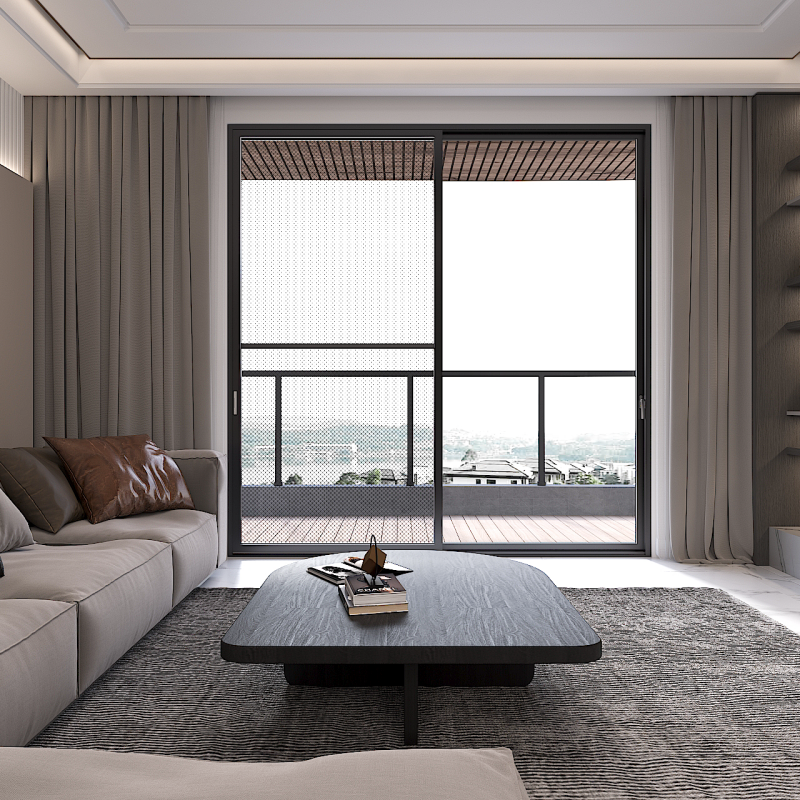
Pivot doors concentrate loads at pivot points, so hinge selection and frame reinforcement are critical. A robust pivot hinge paired with a reinforced aluminum extrusion can deliver long lifespan and precise operation, but the seal strategy differs from sliding systems. Sliding aluminum doors rely on continuous interlocks and thresholds to manage air and water infiltration; the presence of a thermal break inside the frame profile reduces conductive heat transfer. For projects near coasts or in variable climates, sliding systems often simplify continuous weather barriers — and many architects specify sliding aluminum doors for that reason. Hardware quality, threshold design, and proper drainage channels define whether a system performs or merely appears to.
Aesthetics, circulation and spatial behavior
Pivot doors make an entrance into a space — they rotate on a deliberate axis and create choreography. They allow oversized panels and uninterrupted sightlines when paired with narrow frame profiles. Sliding doors, meanwhile, erase the barrier: sash panels disappear into pockets or stack neatly to expand usable opening width. Both strategies influence circulation: pivot doors shape a focal moment at a doorway; sliding systems extend living areas outward. Designers often balance these needs rather than pick a winner outright — select a pivot for theatrical entry, choose sliding for seamless indoor-outdoor flow. And remember the threshold decision affects accessibility and durability — a low-profile threshold reads modern, but it must align with performance expectations.
Installation, maintenance and lifecycle cost
Installation differs sharply. Pivot systems require precise floor and header reinforcement and careful alignment of the pivot hinge to handle long-term loads; misalignment can accelerate wear on pivot bearings. Sliding aluminum doors demand accurate track leveling and attention to rollers and keepers; debris in the track will degrade function over time. Maintenance plans should spell out routine inspection of seals, lubrication points on hardware, and cleaning of drainage paths. In coastal Sydney or similarly salty environments, anodized or powder-coated finishes and stainless-steel fasteners reduce corrosion risk — concrete evidence that material choice responds to place and use.
Decision framework: match the door to the brief
Practical comparisons help teams choose with intent. Consider these quick reference points:
– Spatial priority: Choose pivot hinge when the entry itself is a design statement; choose sliding when you need maximum clear opening and uninterrupted flow.
– Performance priority: Opt sliding for continuous weather sealing and simpler thermal continuity with a thermal break in the frame profile; select pivot where large-format glazing and sculptural presence are the drivers.
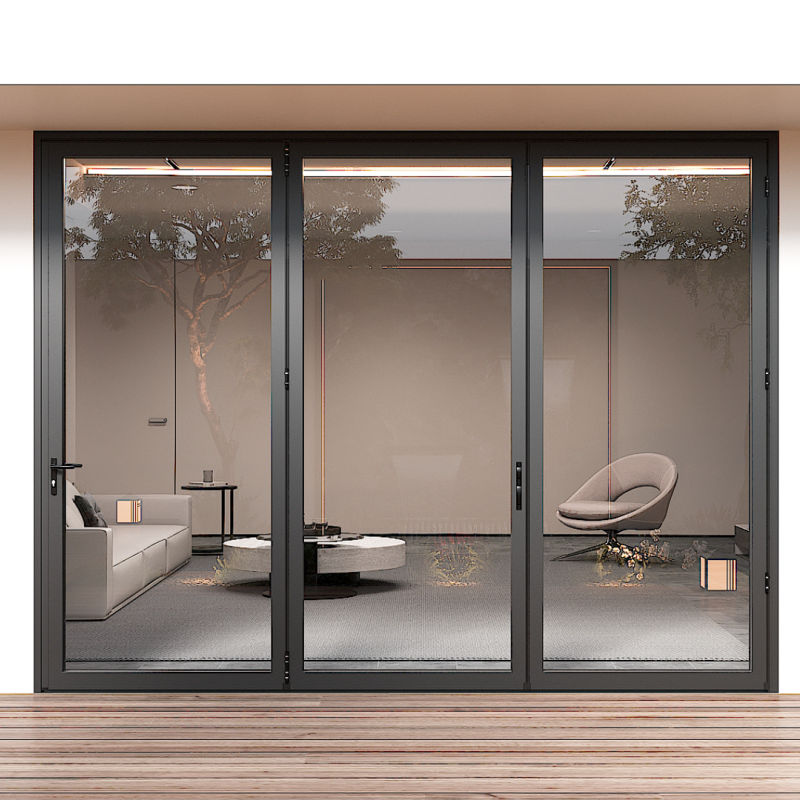
– Long-term cost: Factor installation complexity and routine maintenance—pivot bearings and reinforced thresholds vs. roller replacements and track cleaning for sliders. Each carries predictable upkeep costs.
Three golden rules for evaluation
1) Prioritize tested hardware over aesthetics alone — check pivot hinge load rating and roller service intervals. 2) Match frame profile and thermal break to climate goals; the right aluminum extrusion reduces heat transfer and keeps occupants comfortable. 3) Plan for maintenance from day one: specify accessible threshold drainage, serviceable bearings, and clear cleaning procedures. These three metrics will surface the real cost and performance of any door solution. For projects that need both a striking entrance and reliable operation, the integration expertise of Zekin makes that balance tangible — a partner who understands frame profile, threshold details and hardware life cycles. — thoughtful craft.