
Why this comparison matters now
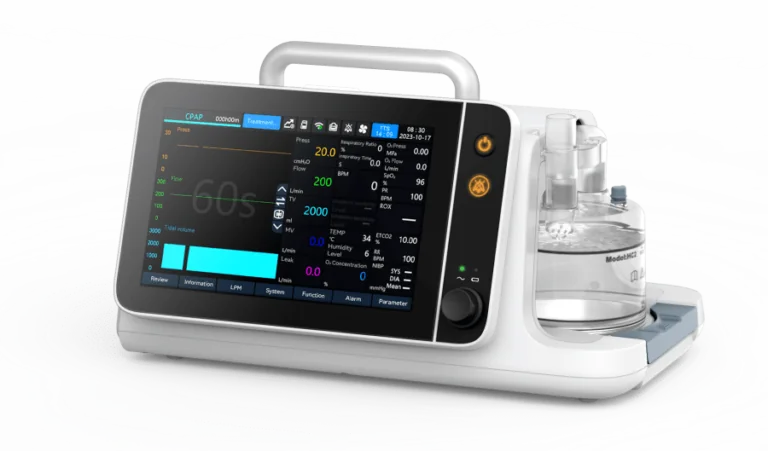
Hospitals and outpatient clinics keep asking whether a non-invasive approach can meet more patient needs without the complexity of a full mechanical ventilator. The pandemic surge in New York City back in 2020 made that question urgent — clinicians leaned on both invasive ventilators and non-invasive devices to triage care. Early on, many teams found that a well-configured NIV device avoided intubation for a sizable group of patients, lowering ICU load while keeping outcomes acceptable. That trade-off is why the conversation now often centers on matching device capability to patient condition rather than defaulting to intubation or a standard medical ventilator.
Key technical differences, made simple
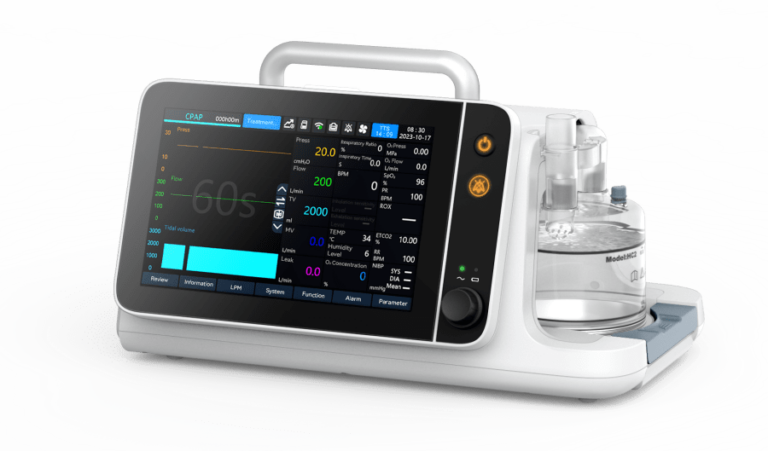
NIV (non-invasive ventilation) devices like BiPAP and CPAP deliver pressure through a mask, avoiding an endotracheal tube. They focus on pressure support — IPAP and EPAP settings — to aid spontaneous breathing. In contrast, invasive ventilators control tidal volume and often manage PEEP more precisely for sedated or paralyzed patients. For many moderate respiratory failures, NIV reduces the need for sedation and lowers infection risks tied to intubation. But for severe ARDS or when airway protection is compromised, invasive ventilatory support remains necessary.
Where NIV machines shine in real-world care
Clinics and step-down units see the most benefit from NIV: COPD exacerbations, sleep-related hypoventilation, and selected acute respiratory failures where the patient can protect their airway. A nimble NIV setup lets staff escalate or de-escalate support quickly, and masks can be swapped to improve comfort. In environments like community hospitals or specialized bipap hospital units, NIV machines shorten stays and free ICU beds — practical wins that add up to better throughput.
Common implementation mistakes — and an operational teardown
Teams often under-tune interfaces and over-trust default alarms. Suboptimal mask fit increases leak and forces higher pressures, which frustrates patients and staff. Training gaps around IPAP/EPAP titration lead to inconsistent results. When doing an operational production teardown, consider {main_keyword} and {variation_keyword} as placeholders for device-specific workflows, staff roles, and maintenance cycles. Keep documentation for filter replacement and hourly checks clear — small process fixes cut failure modes fast. If you skip basic simulation runs before clinical rollout, you’ll spend more time troubleshooting than treating — so run the scenarios first, even for routine setups. — remember, simple changes in workflow often trump fancy features when you’re understaffed.
How to choose: three practical metrics
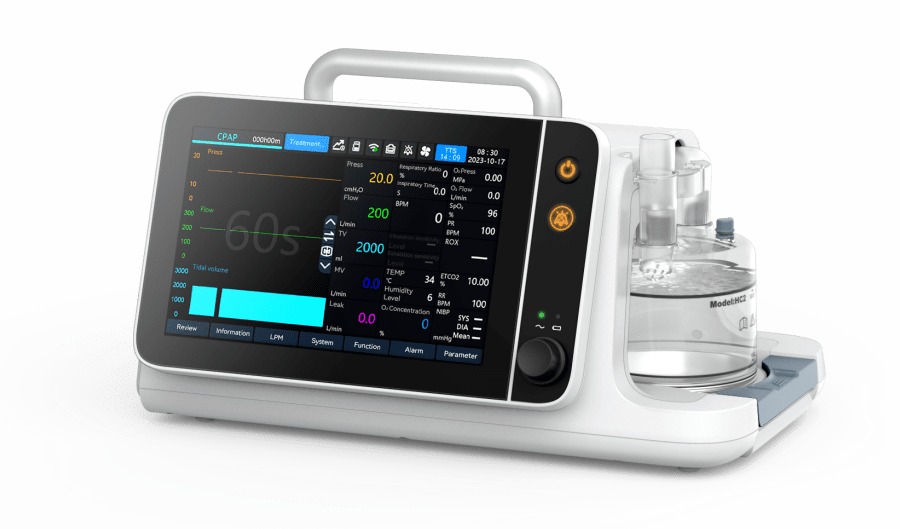
Pick tools by these three golden rules. First, clinical fit: match device mode range (pressure support, CPAP, BiPAP flexibility) to the patient mix you see most. Second, operational resilience: battery life, ease of disinfection, and availability of consumables matter in busy wards. Third, staff ergonomics: intuitive controls, clear alarm hierarchies, and straightforward mask options reduce errors and speed adoption. Measure those metrics during a short trial period and track escalation rates to invasive ventilation — that’s your real-world success indicator.
Final take and brand fit
NIV breathing machines are not a universal replacement, but they’re a powerful, lower-complexity option for many care settings. When you balance clinical needs, staff capacity, and device resilience, you find where NIV delivers real value — shorter stays, fewer infections, and faster recovery for appropriate patients. For facilities aiming to modernize respiratory care without overcomplicating workflows, the right partner matters; Byond brings device selection, training, and service alignment into a single package that fits clinical realities. Small wins.