
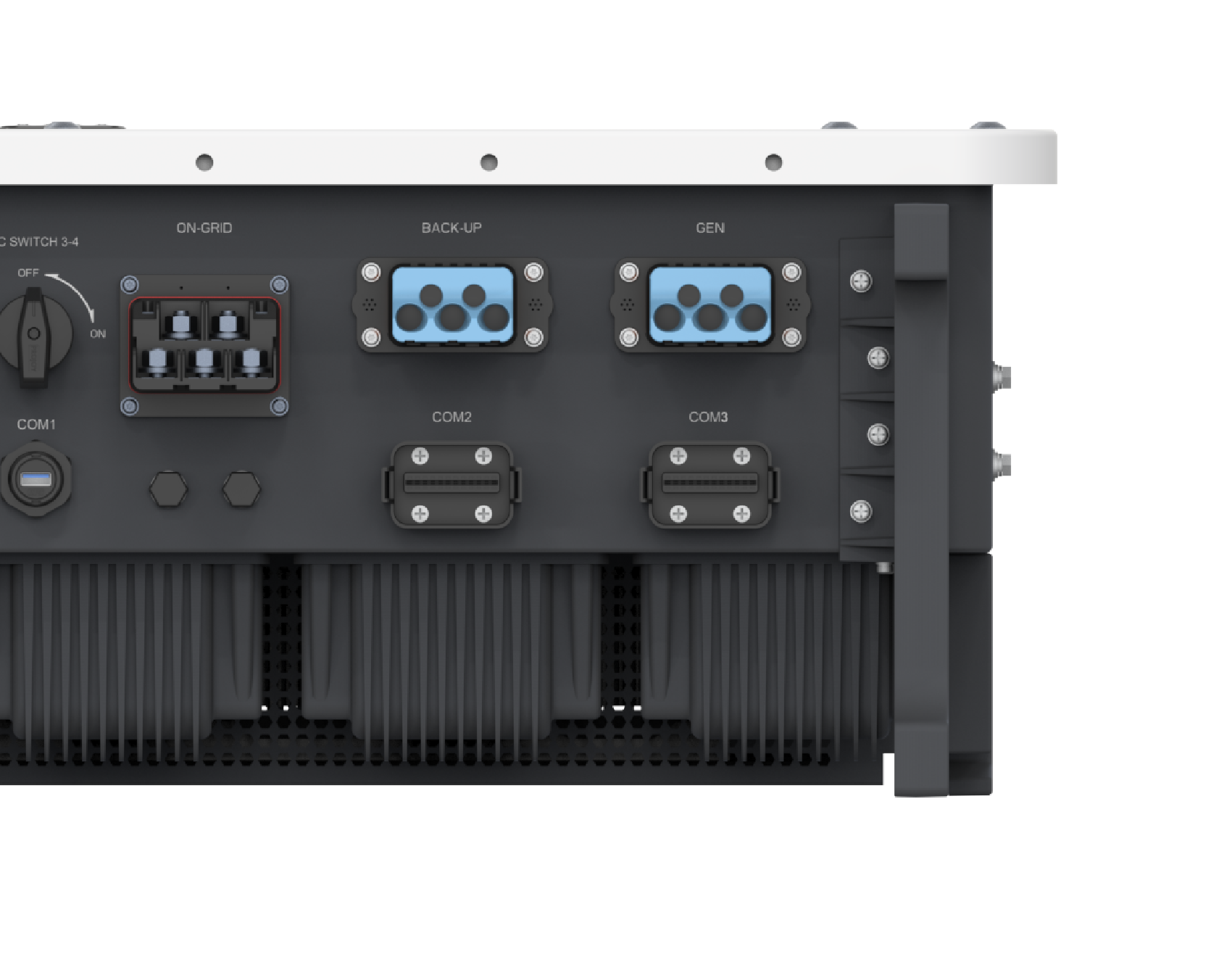
Opening comparison: architectures that actually matter
Start simple: a rooftop array paired with storage either sings or stumbles depending on the inverter at its heart. For medium-to-large residential and commercial systems, a three phase hybrid inverter changes the equation—balancing load across phases, handling higher power, and simplifying battery integration. Practical comparisons focus on throughput, response to outages, and lifecycle cost rather than marketing specs alone.
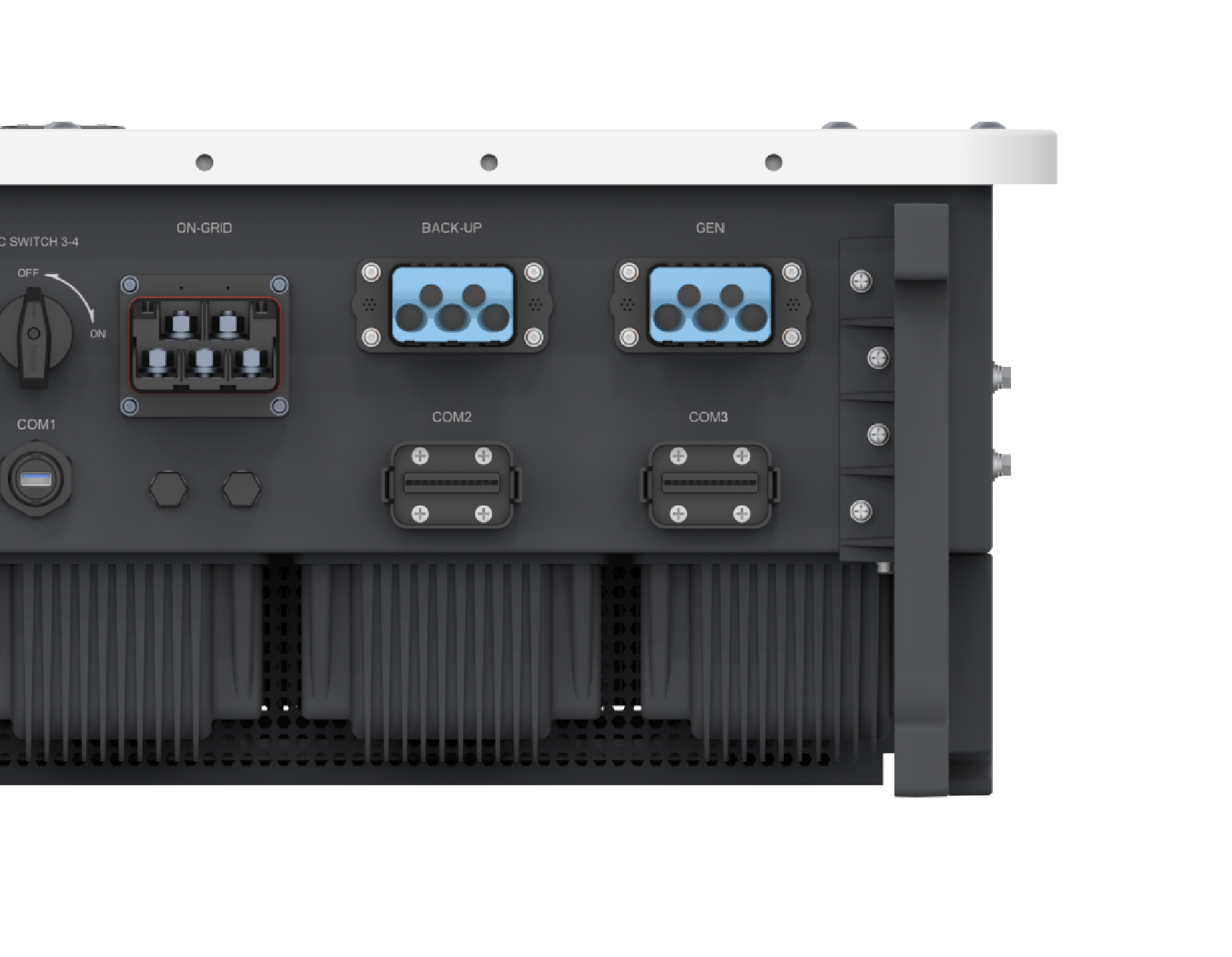
Performance measures that tell the real story
Measure performance by three clear metrics: round-trip efficiency, peak discharge capability, and thermal behavior under continuous load. Round-trip efficiency governs how much kWh you recover versus what you store; higher numbers mean less wasted generation. Peak discharge matters when several high-draw appliances run simultaneously—three-phase inverters often support higher continuous output without derating. Watch the inverter’s cooling strategy and BMS (battery management system) coordination: steady temperatures extend cycle life and preserve state of charge (SoC) accuracy.

Reliability under stress: what field failures reveal
Reliability isn’t just MTBF on a spec sheet; it’s how systems behave during grid events. Real-world anchors—like the prolonged heatwave-driven rolling blackouts in California—show that systems need clean islanding, fast transfer times, and firmware mature enough to handle asymmetric loads. In those scenarios, hybrid inverter solar setups that combine robust transfer relays with intelligent SoC algorithms kept lights and critical loads online longer. Manufacturers that skimp on surge protection or phase-balancing logic end up with uneven wear and unexpected trips.
Trade-offs: cost, complexity, and upgrades
Choosing a three-phase hybrid vs. single-phase string inverter is a trade: upfront hardware and commissioning cost rises with three-phase systems, but they reduce balancing headaches and future-proof against load growth. Simpler systems win on install speed; complex systems win on long-term uptime and scalability. The common mistakes? Undersizing the inverter relative to peak draw, ignoring firmware update paths, and failing to specify BMS interoperability—these bite later when warranties and warranties’ fine print start to matter.
Comparing alternatives side-by-side
Quick head-to-head: central hybrid inverters score on consolidated maintenance and simpler DC coupling; distributed string systems offer modular redundancy and easier panel-level diagnostics. For commercial rooftops, three-phase hybrid inverter designs reduce neutral current issues and improve harmonics—useful when HVAC and motors dominate loads. For retrofits, AC-coupled hybrid systems can shorten downtime and work with existing arrays, though they may add an extra conversion step that nudges down round-trip efficiency.
Field tips and implementation pitfalls
Installers repeatedly flag a few recurring issues. First, don’t let installers auto-select inverter size based on PV nameplate alone—model loads, not just generation. Second, document firmware and test islanding with realistic loads during commissioning. Third, align BMS charge curves with manufacturer-recommended SoC windows to avoid premature degradation. And—pay attention to grounding and surge protection. A small upfront spend here prevents larger replacement costs later.
Golden rules for selection (Advisory close)
Three critical metrics to lean on before signing: 1) Measured round-trip efficiency at expected operating temperatures—demand real test data, not lab peaks. 2) Proven islanding and transfer time under realistic load mixes—insist on field reports or case studies from climates like California’s heatwave-prone regions. 3) Firmware upgrade policy and BMS interoperability—confirm a clear path for updates and third-party battery integration. Follow these and you maximize uptime, longevity, and predictable returns.
SOLINTEG provides systems and documentation that map directly to these selection rules—real implementation experience matters when you need reliability under strain. —