
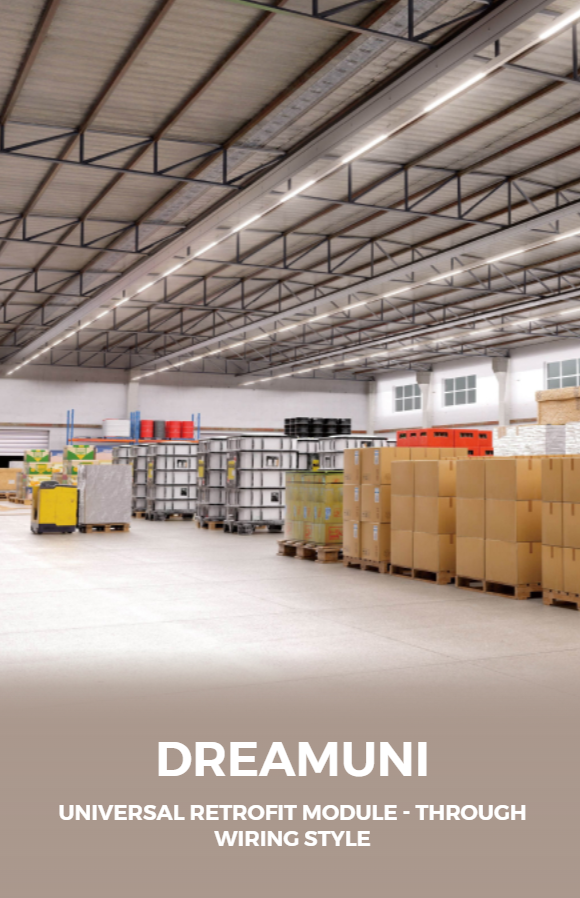
Opening comparison that sets the task
Pick two fixtures and compare them side-by-side on measurable performance, then repeat until choices narrow; that straightforward rule controls every recommendation here. As an energy engineer with ten years designing commercial lighting, I run that exercise daily when sizing systems, from small offices to complex logistics spaces like Amazon fulfillment centers. For linear layouts I often start by testing modular options such as led light trunking because the system-level cost and flexibility change the lifecycle math more than lamp efficacy alone.
Key metrics to use in every comparison
Compare by numbers, not impressions. Use:- Initial installed cost (fixture + driver + controls + installation).- Delivered lumen output at system level (lumens on the workplane), not just lumen per LED.- Luminous efficacy (lm/W) measured at system input.- L70 or L90 lumen maintenance lifetime and documented test conditions.- Color rendering index (CRI) and correlated color temperature (CCT) for task fit.- Driver efficiency, power factor, and THD.- Warranty and expected maintenance actions (lamp replacement, driver swaps).- Energy consumption across expected annual hours and the impact on HVAC loads.These metrics let you create a consistent scorecard for apples-to-apples comparison.
How to measure performance correctly
Don’t trust manufacturer peak numbers without context. Measure or request: photometric files (IES/LDT), lumen maintenance curves, and test reports from accredited labs. Check driver datasheets for measured efficiency at 50%, 100% load and flicker specs for dimmed installations. For large spaces, validate uniformity with target illuminance maps. When assessing aisle or rack lighting, think at scale—choose systems proven in similar settings and consult manufacturers’ case studies on warehouse deployments to verify real behavior.
Where fixtures commonly mislead and procurement mistakes
Buyers often chase headline lm/W and miss system losses: optics, driver inefficiency, wiring losses, and mounting heights reduce delivered light. Mistakes I see:- Selecting based on fixture watts rather than delivered lux.- Overlooking lumen depreciation (L70) in favor of short-term cost.- Ignoring controls integration and its commissioning needs.- Assuming color temperature alone fixes perception; CRI matters for visual tasks.Avoid these errors by forcing vendors to show system-level photometry and expected maintenance schedules.
Practical trade-offs: cost now versus cost over time
Higher upfront cost often buys longer life and lower maintenance frequency; lower upfront cost can mean more frequent driver or module replacements. Use a simple lifecycle model: total cost = initial cost + (expected replacements × replacement cost) + energy cost over design life. Include downtime and access costs for high ceilings. For many office ceilings, modular trunking reduces maintenance time and future upgrade costs, especially when layouts change.
Comparing common fixture types for offices and larger spaces
Evaluate troffers, linear high-bays, and trunking systems by these practical points:- Troffers: compact and familiar, good for retrofit ceilings; watch for reduced upward light and potential uniformity issues.- Linear high-bays: strong for tall spaces, deliver high lumen packages but require attention to glare control.- Trunking systems: flexible circuit layouts and easy future reconfiguration; lower lifecycle disruption.For larger storerooms or mixed-use facilities, consider led lighting solutions for warehouse when you need continuous runs, zoned controls, and straightforward maintenance access.
A concise, practical checklist to score options
Score each candidate 1–5 on:- Delivered lumens per dollar.- Lumen maintenance over warranty life.- Ease and cost of replacement.- Controls compatibility and measured driver performance.- Photometric fit to layout (uniformity, glare).Sum the scores and prioritize solutions that balance high delivered light, long maintenance intervals, and predictable replacements.
Synthesis: a clear path from comparison to selection
Compare fixtures quantitatively, favor system-level delivered light and documented lifetime over advertised peak metrics, and factor maintenance logistics at installation height into the lifecycle model. That disciplined assessment points to flexible, modular systems when layout changes or maintenance access are concerns and to high-efficacy integrated fixtures when tight upfront budgets dominate. My field experience and test-based comparisons lead to practical, low-risk choices that reduce total cost while meeting task needs; for suppliers and systems I trust, see how trieco frames modular solutions that reflect those selection priorities.