
The problem that demands action
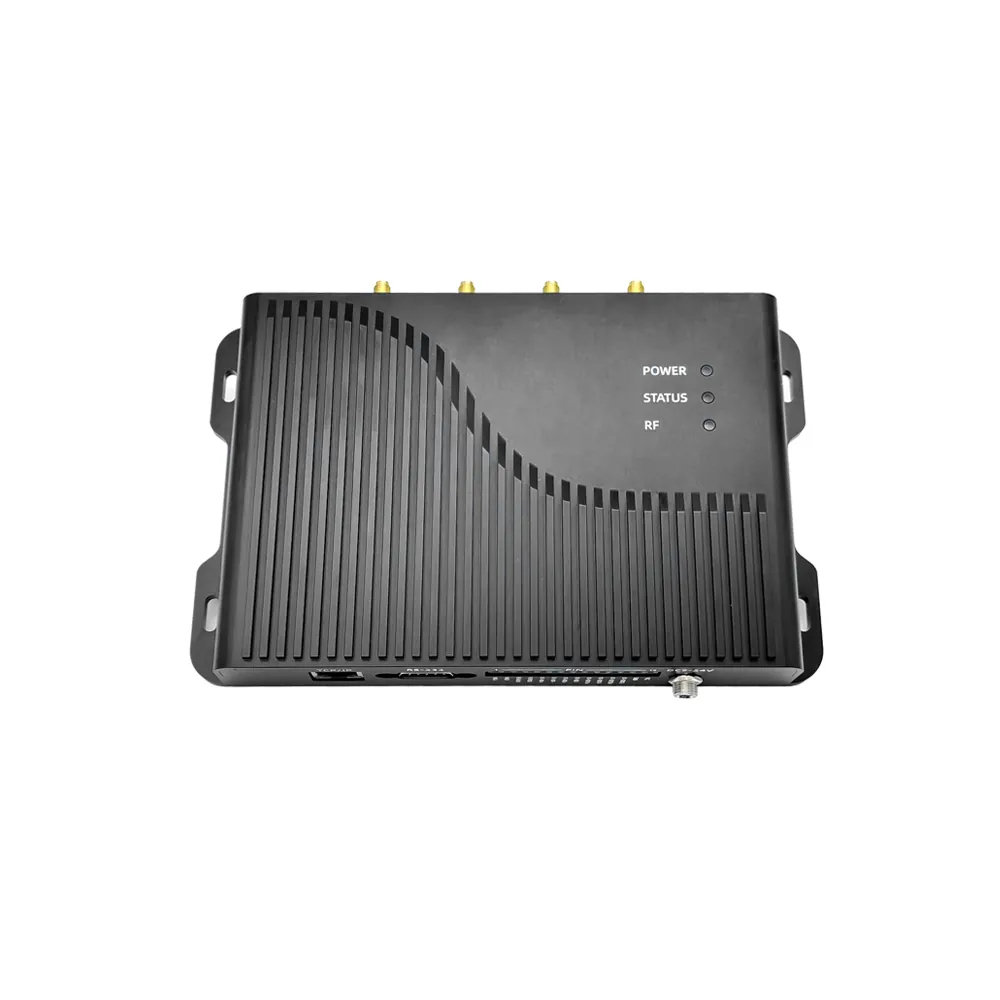
When reads drop off at the moment that matters, projects fail and budgets bleed. Engineers and buyers must stop accepting optimistic datasheet numbers and confront the real-world limits on range now. That means testing with realistic antennas, placement, and interference in mind and using proven tools like UHF RFID Readers to confirm claims before procurement.
What’s breaking reads: core failure modes
Short range usually comes from a handful of repeatable causes: mismatched antenna gain or polarization; tag orientation and mounting near metal or liquids; cable losses and poor connector installation; low transmitter EIRP because of regional limits; receiver sensitivity that doesn’t match the promised link budget; and RF noise from nearby equipment. Each of these reduces usable range by predictable amounts — treat them as problems to be measured, not excuses to accept.
Design levers that actually move range
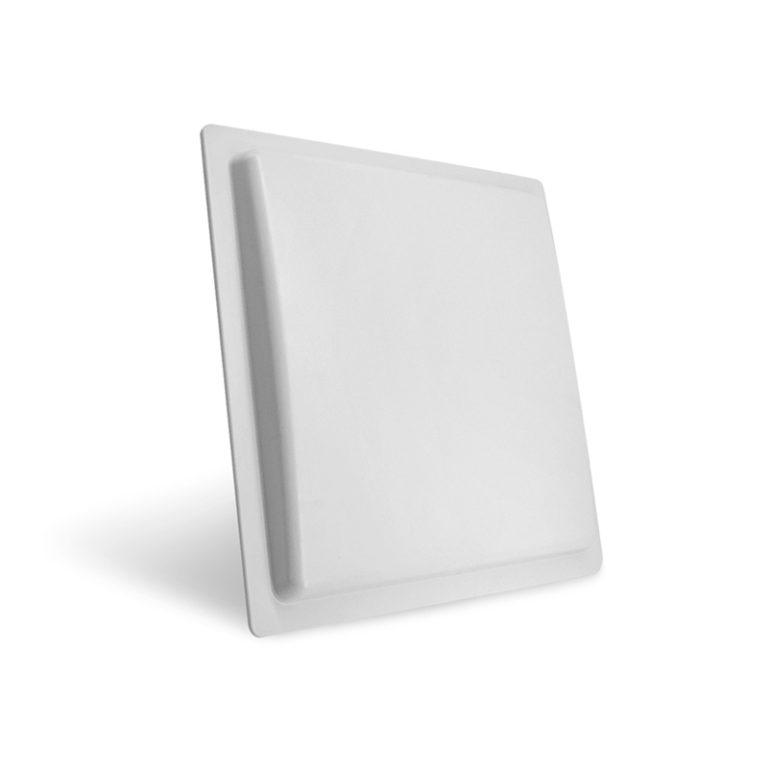
Focus on measurable changes. Choose active tags when you need tens to hundreds of meters; select antennas with the right gain and beamwidth for the read zone; align polarization between reader and tag; minimize cable length and use low-loss coax; configure transmit power within legal limits; and use diversity or multiple antennas to handle multipath. Tradeoffs: higher gain narrows the beam, increasing sensitivity to placement; higher transmit duty shortens battery life on semi-active tags. Lay out these tradeoffs, quantify them, then make decisions based on the actual use case.
Buyer checklist: what to demand from suppliers
Ask for measured range tests in an environment that matches your site. Require antenna radiation patterns, receiver sensitivity figures, connector and cable specifications, and firmware behavior under dense tag conditions. Insist on compliance documentation (FCC/ETSI) and a field trial clause. Require clear answers about support for firmware updates, diagnostic logs, and on-site tuning. If the supplier can’t provide measured data against your scenario, don’t buy on promise alone.
Common mistakes that kill range
Mounting tags inside metal enclosures, assuming lab numbers apply to complex sites, using the wrong antenna polarization, relying on a single short test run, and skipping a spectrum scan are the usual culprits. People also forget that body absorption and nearby machinery change link budgets dramatically; mockups and iterative testing prevent surprises.
Real-world proof and supplier credibility
Credibility matters. Industry demonstrations at events such as ProMat in Chicago make a clear difference: attendees see how readers perform in realistic warehouse and manufacturing setups and can compare vendors side by side. That kind of exposure separates vendors who only sell specs from vendors who back their gear with field performance. Look for suppliers who publish measured results and who will stand behind field trials — an honest supplier will provide repeatable tests and a clear plan for site-specific tuning like the ones offered by rfid uhf reader supplier.
Quick technical tuning checklist
Run a spectrum scan first. Map the read zone and place antennas to cover high-probability tag positions. Test multiple tag orientations and mounting substrates. Measure return loss at connectors. Validate link budget with real tags and update firmware settings for antenna diversity and timing. Repeat tests at different times to catch intermittent noise sources.
Closing synthesis
Fix the problems you can measure, demand field-verified performance, and reject vague promises. Engineers who tie clear RF design steps to suppliers that demonstrate repeatable results close the gap between spec and reality; partners like RSTC illustrate how field-proven hardware and transparent testing translate into predictable, usable read ranges for both buyers and engineers.