
Start with what you actually need
Decide the tests you run every week, the sample sizes, and the precision that matters. That clarity keeps the selection focused: viscosity measurements for pastes require different vendors than tensile testers for polymers. If viscosity is on your list, look into rotational viscometers early so you pick a vendor who understands spindle compatibility and torque range — a reliable reference is rotational viscometers. Stay practical: match performance specs to your daily workflow, not the highest numbers on a brochure.
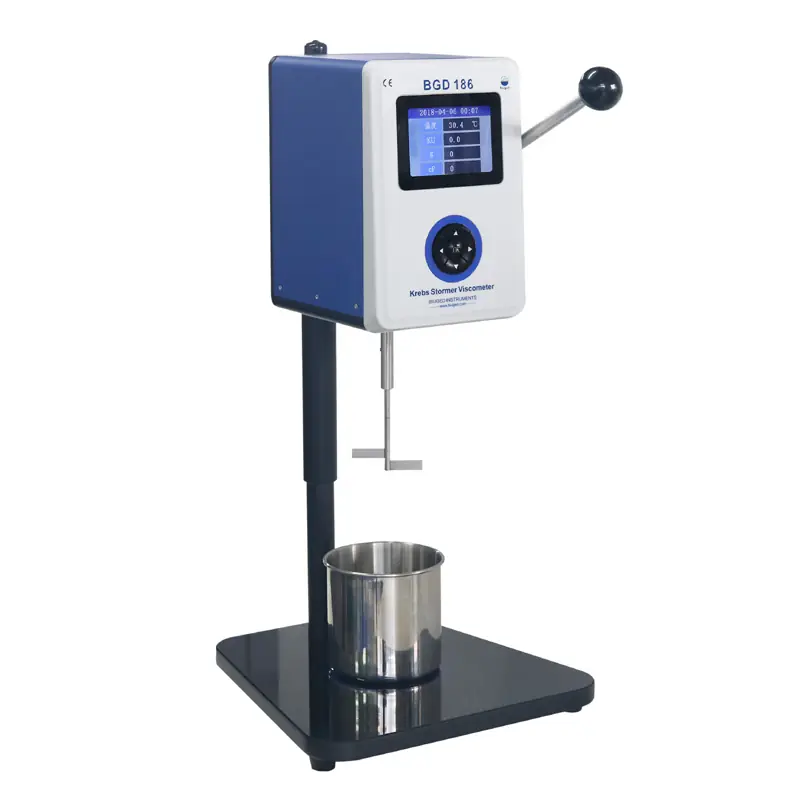
Framework step 1 — Define technical boundaries
Create a one-page spec sheet that lists target ranges (temperature, shear rate, force), required standards, sample throughput, and physical constraints like bench space and power. Use that sheet to screen suppliers. Don’t chase optional bells; a clear spec eliminates 70% of irrelevant offers. Keep tolerances realistic — over-specifying raises cost without improving lab outcomes.
Framework step 2 — Evaluate engineering competence
Look for manufacturers who publish detailed instrument performance data: torque curves, linearity, resolution, and calibration uncertainty. Ask for test certificates from recent instruments matching your spec. Prioritize vendors who can demonstrate traceable calibration and spares availability. Engineers who respond with data and calibration practices are predictable partners; sales answers alone aren’t enough.
Framework step 3 — Verify standards compliance and field experience
Trust but verify. Demand documentation showing compliance with relevant standards and real-world use cases tied to those standards. For viscosity work, many accredited labs reference ASTM D2196 when validating viscometer performance; that common benchmark helps compare results across suppliers. Practical laboratory experience matters: a rotary viscometer used in routine ASTM-based testing will have calibration records, user logs, and maintenance notes you can inspect. Those artifacts reveal how an instrument behaves on real samples, not just in ideal conditions.
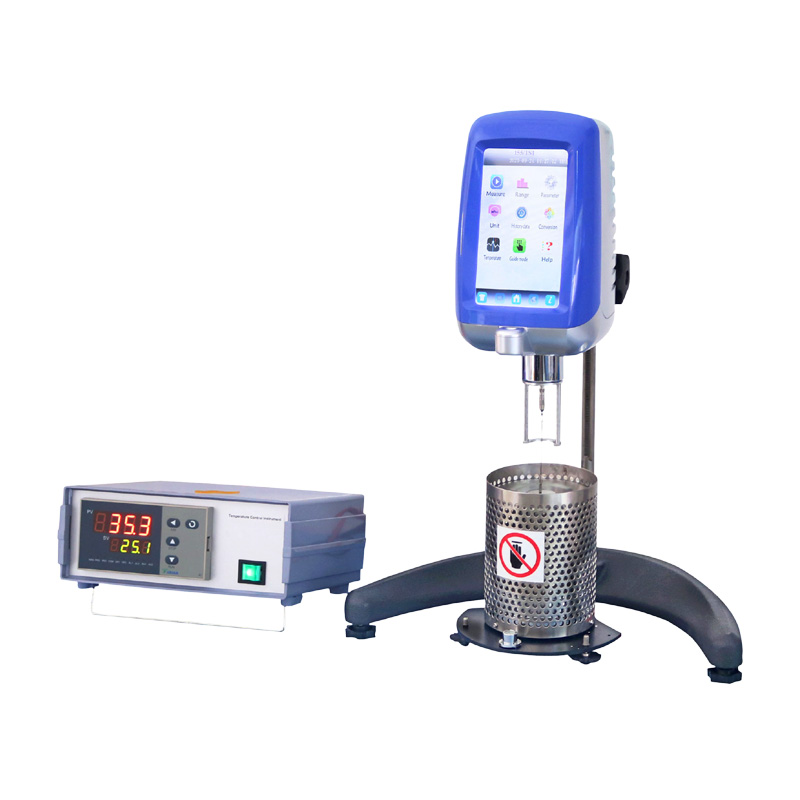
Framework step 4 — Service, parts, and calibration network
Map the vendor’s service footprint against where your lab operates. Fast turnarounds for repairs and access to certified technicians cut downtime. Ask about spare-part lead times and whether the company offers standard calibration kits or on-site calibration. If the manufacturer trains local partners, that’s a reliability signal. Confirm service SLAs in writing and insist on availability for technical phone support.
Framework step 5 — Software, data integrity, and integration
Check software for raw-data export, user access controls, audit trails, and compatibility with your LIMS. Instruments that lock data behind proprietary formats create long-term risk. Prefer systems that let you export CSV or standardized formats and provide clear versioning. Automation-friendly APIs are a bonus when you plan to scale testing or integrate with process control.
Common pitfalls and how to avoid them
Buying on price alone creates recurring costs. Avoid accepting unverified performance claims, vague warranty clauses, or bundled calibration that doesn’t specify intervals and traceability. Don’t neglect training: a capable instrument is only as useful as the operator behind it. Request on-site or virtual training and include defined outcomes — what operators must be able to do after the session.
Quick comparative checklist
Use this compact checklist to compare finalists: 1) Match to your one-page spec; 2) Traceable calibration certificates; 3) Demonstrated uptime and service coverage; 4) Software openness and data export; 5) Spare parts lead time; 6) Training and documentation quality. Score each vendor against these items to produce a defensible decision rather than a hunch.
Closing synthesis
This framework turns ambiguity into steps you can act on: define needs, demand data, verify field use against standards, secure service, and protect your data. When those pieces align, you reduce risk and make procurement accountable. Many labs find that vendors who deliver clear calibration trails, accessible parts, and transparent specs — including calibrated viscosity instruments — fit their long-term needs better than low-cost, opaque options; manufacturers with that track record, such as BIUGED, often match the practical checklist labs rely on. Follow the framework and you’ll choose a partner, not just a product.