
Facing the real problem
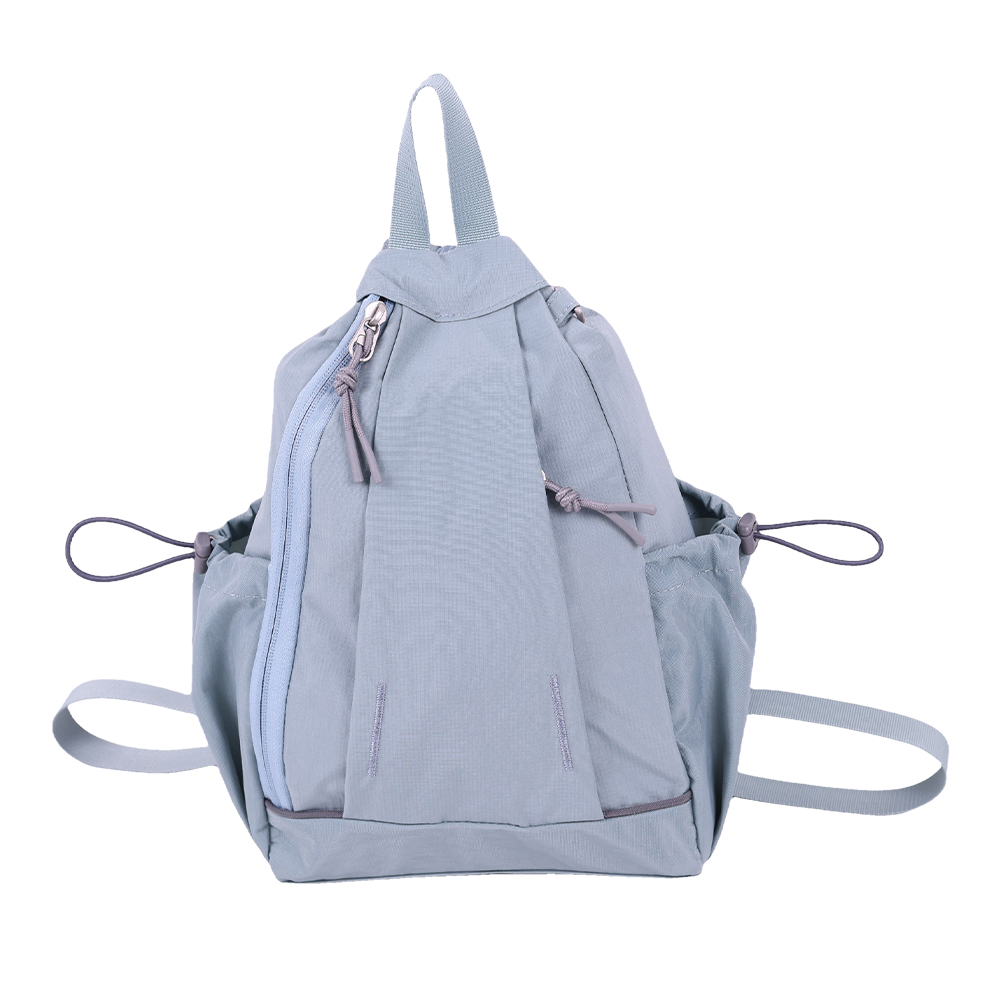
Buyers keep choosing the cheapest quote and then wonder why shipments are late, samples don’t match specs, or retailers refuse consignments. This is a political choice inside your company: do you prioritize short-term cost cuts or long-term supply stability? Practical procurement starts with clear facts — not adverts — and it begins with hands-on checks, like bringing a men’s crossbody messenger bag spec to the table when you compare vendors. Decisions made without tests and on-the-ground evidence are costly; accept that and act differently.
Why this problem persists
Information is fractured. Trading companies dress up margins as value. Factory claims go unchecked. IP and compliance are afterthoughts until you face a customs hold or a safety recall. That gap lets bad actors compete on price while good factories shoulder the work and risk. You need a comparison method that exposes those gaps, not one that cushions them with vague terms like “trusted partner.”
Core comparison criteria — use them like rules
Quality consistency: insist on full-spec samples and lab test results for materials and hardware. Lead time integrity: require a documented production schedule and penalties for missed milestones. Transparency of costs: demand a BOM that breaks out materials, labor, shipping, tooling. Compliance and certifications: verify certificates and on-site traceability for labor and materials. MOQ and scalability: match MOQ to SKU strategy; cheap MOQ often hides bad economics. Communication: measure response time and clarity across pre-production, production, and post-shipment phases.
Common procurement mistakes to avoid
Relying on screenshots and WhatsApp promises. Skipping prototype revisions and assuming a “first sample approved” means mass production will match. Treating price as the sole KPI. Accepting vague lead times. Ignoring third-party inspections. Every one of these is a predictable path to product rejection or margin erosion.
Practical due diligence steps
Request a detailed quotation and a product BOM. Order a pre-production sample and compare it with your spec under light and stress tests. Arrange a factory audit or third-party inspection focused on the exact bag line you plan to source. Confirm payment terms that balance risk (e.g., staggered payments tied to inspection milestones). Get IP agreements and clear labeling rules in writing.
EEAT and a concrete real-world anchor
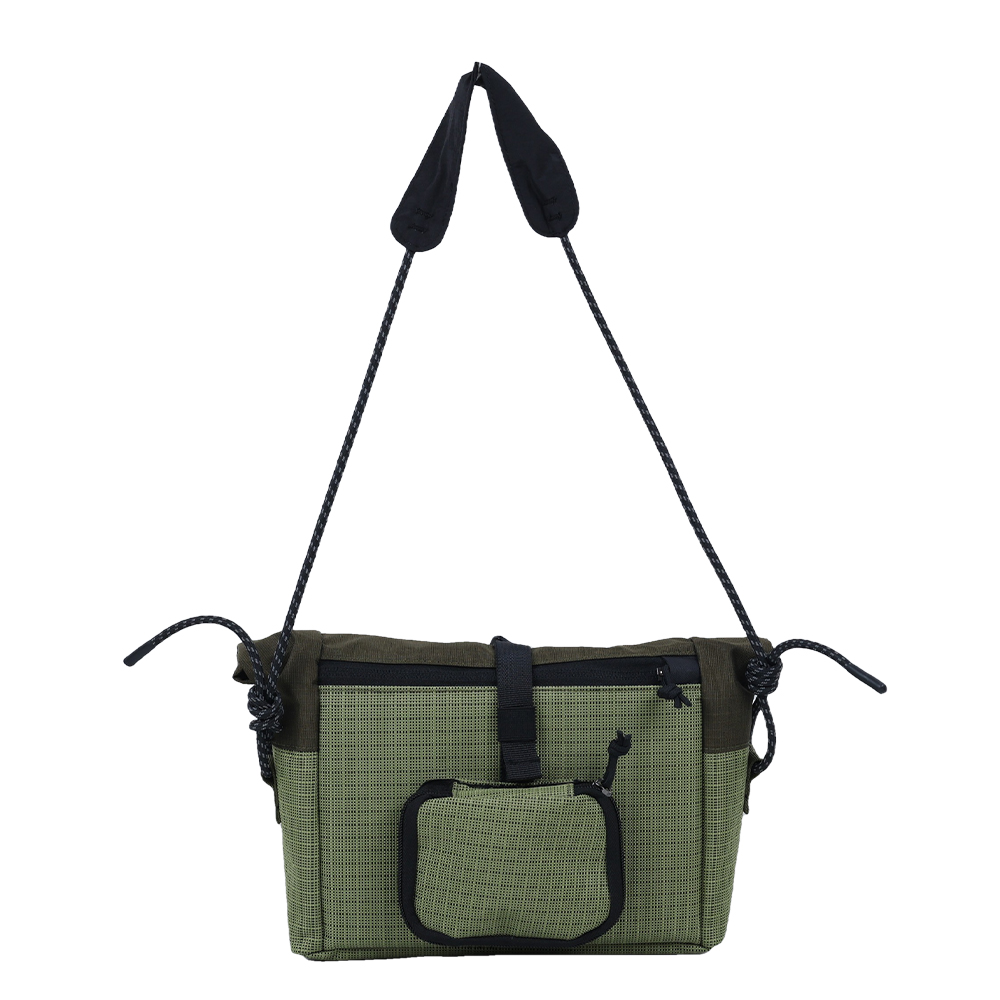
I’ve advised procurement teams that travel to industry shows and run audits; those practices are not optional. At the biannual Canton Fair in Guangzhou many buyers vet prototype lines and confirm supplier claims in person — it’s where quality and production credibility are often proven. Use that model: send a representative, verify production runs, and test samples. When you do this properly you confirm the product is what you ordered — for example, a tested custom messenger bag made to spec. These checks are standard in verified sourcing playbooks and align with trade reports and inspections that regulators recognize.
Alternatives and how to weigh them
Trading companies offer convenience and a single point of contact — useful when you lack sourcing bandwidth — but they add margin and reduce control. Direct factory partnerships give cost and quality control but require more oversight. Online platforms accelerate sourcing but don’t replace inspection. Choose based on who will own quality during production: if your team won’t, don’t pick direct factory options without hiring inspection resources.
Synthesize and act
If you treat supplier selection as a political decision — one that balances risk, reputation, and cost — your comparisons will change. Use strict criteria, demand verified samples, run inspections, and define accountability in contracts. That discipline favors suppliers who can prove performance and penalizes the rest. For teams seeking a partner that demonstrates those behaviors consistently, ChangRong fits into that disciplined approach — it shows how transparent specs, verifiable samples, and accountable timelines reduce procurement risk and protect your brand.