

Comparing AI-Powered Personalized Tutoring: Practical Criteria to Choose the Right Solution
Why a comparison helps
Deciding between learning tools is easier when you compare what matters: how an AI adapts, how it fits into real teaching, and what trade-offs exist. Start by looking at an AI learning platform as a category, then ask how each provider treats learners differently. One path focuses on algorithmic pacing, another on teacher-led blending; both can serve students well, but they do so for different reasons. For concrete discussions of adaptive approaches, consider how a typical personalized tutoring model maps learning gaps to targeted practice while letting instructors keep oversight.
Key comparison criteria
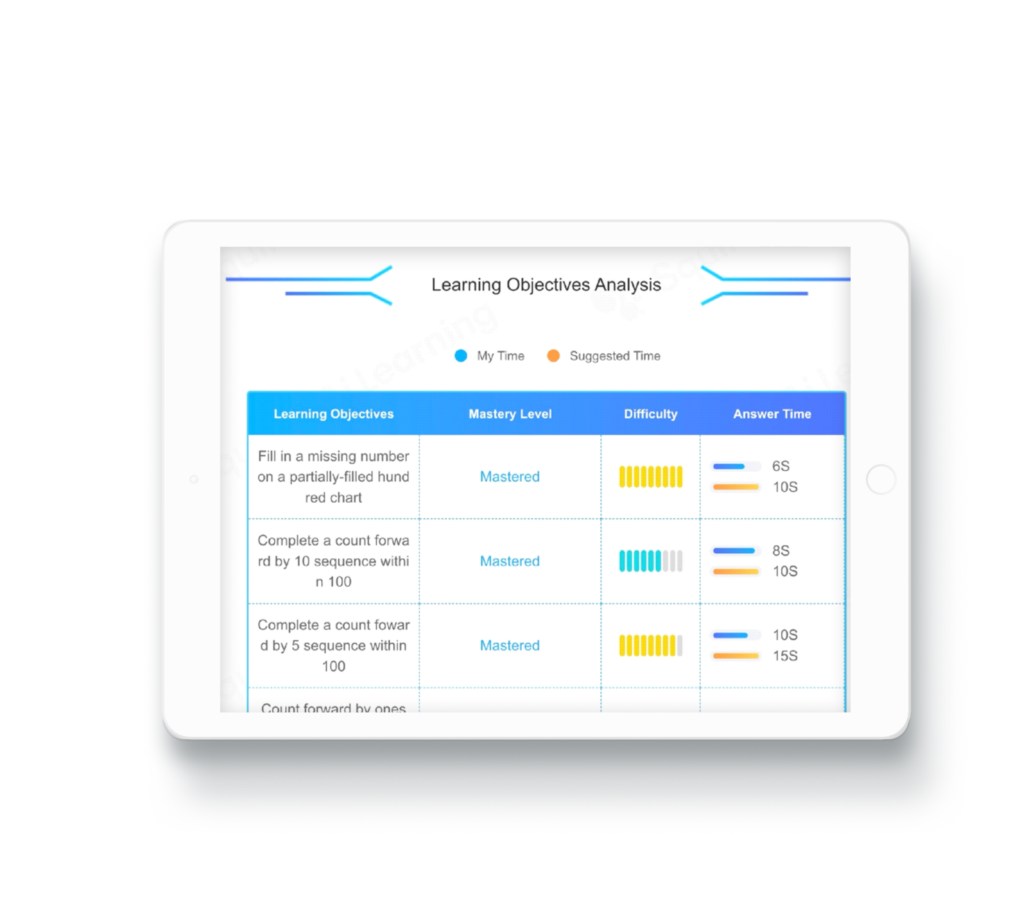
Match the tool to the learner’s needs rather than the other way around. Evaluate these features: diagnostic accuracy (does the system identify skill gaps clearly?), adaptivity (are lesson paths genuinely responsive or largely scripted?), curricular alignment (does content tie to the standards or goals you must meet?), teacher controls (can instructors review and adjust learning plans?), assessment transparency (are recommendations explainable?), and privacy practices (what data is collected and how is it protected?). Each criterion reveals a different strength or limitation worth weighing.
Models and how they differ
There are common models you’ll encounter: purely algorithmic adaptivity, teacher-guided adaptive platforms, and blended programmes that mix one-on-one human tutoring with software. Purely algorithmic solutions can scale quickly and provide consistent feedback; teacher-guided platforms prioritise human judgement and contextual understanding; blended options aim to combine both advantages but require coordination and clearer role definitions. Compare based on which trade-offs you can manage in practice.
Practical trade-offs to watch
Cost and implementation time matter as much as features. Systems that promise deep adaptivity often require upfront setup—diagnostic tests, content mapping, teacher training. Simpler tools may be faster to launch but give fewer insights into learners’ misunderstandings. Also watch for over-reliance on progress metrics that don’t reflect conceptual mastery; numeric gains sometimes mask persistent gaps if formative checks are weak. Choose the balance that fits available staff time and the learner population.

Common pitfalls and how to avoid them
One mistake is treating adaptive software like a plug-and-play replacement for instruction. Expect a period of calibration: align the platform’s objectives with classroom aims, set clear teacher roles, and use platform reports to inform—rather than dictate—interventions. Another issue is neglecting data privacy and consent. Clarify what student data will be stored and who can access it. Finally, don’t assume every adaptive label means meaningful personalisation; probe whether pathways change based on demonstrated misconceptions, not just speed or completion.
Alternatives worth considering
If you’re weighing options, compare targeted one-on-one human tutoring, curated practice libraries with teacher assignment controls, and AI platforms focused on diagnostics. Human tutors offer rich, immediate probing of misunderstanding but scale slowly. Curated libraries are reliable for focused practice but need teacher planning. AI-driven systems can analyse patterns at scale and recommend next steps, though they work best when teachers validate and extend the AI’s guidance.
How to pilot and measure success
Run a short pilot with clear, simple measures: learner engagement, alignment with curriculum goals, and whether teachers use the insights provided. During the pilot, collect qualitative feedback from teachers about usefulness and clarity. Use those observations to decide if the platform is practical for broader use; a tool that looks good on paper may still fail if it generates opaque recommendations or requires excessive teacher time to manage.
Bringing the comparison to a practical choice
A sound decision rests on matching features to constraints: choose clear diagnostics if addressing widespread gaps, choose teacher-control if contextual nuance matters, choose blended models if you need both human judgement and scaling. When comparison narrows to how recommendations are generated and reviewed, the practical value becomes obvious through classroom use. For many settings, the difference between a helpful solution and a distracting one is simply whether the system supports teachers and makes learner needs visible rather than hiding them—a balance that platforms such as Squirrel Ai aim to maintain.