
Why teams struggle — and where a screen helps
Look, planning meetings get messy. Specs scatter across spreadsheets, suppliers reply late, and the team never agrees on a single visual. If you’re lining up displays for a control room or a meeting hub, a reliable monitor manufacturer makes the whole thing less of a drama. A Tizen smart TV can act like a single source of truth — show the build plan, the vendor quote, and live data on one screen, so decisions happen faster and with less back-and-forth.
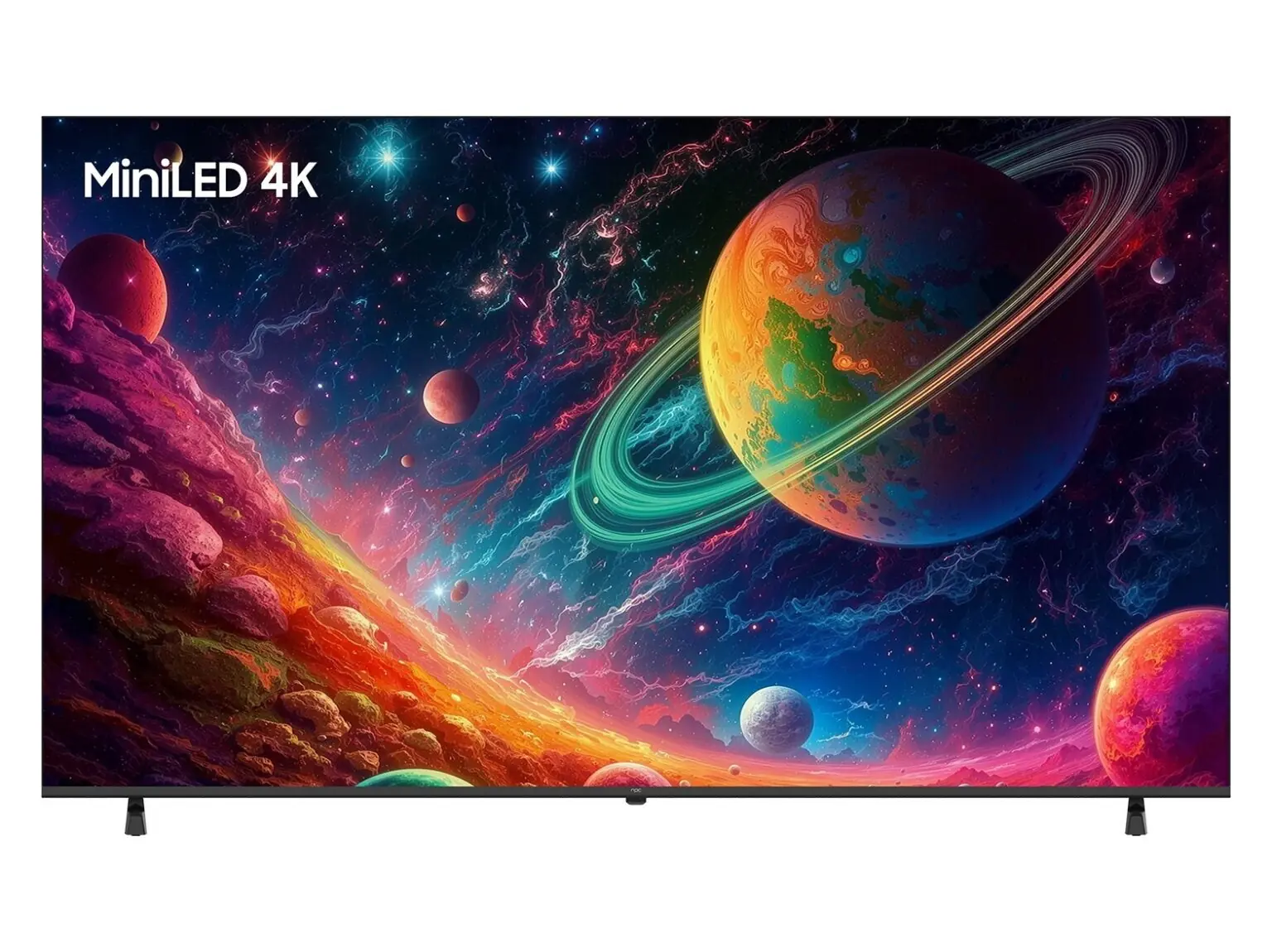
How Tizen’s user-focused features map to your needs
You want simplicity. Tizen’s app ecosystem lets you pin project documents, scheduling boards, and procurement dashboards to a single workspace. Use a shared browser window for supplier sites, a calendar app for delivery slots, and an MDM profile to push the same apps to every display. That means everyone sees the same info at the same time. Keep firmware updated automatically. Set user access so only procurement edits pricing sheets. Little things like consistent UI reduce errors — people stop asking, “Which file was the latest?”
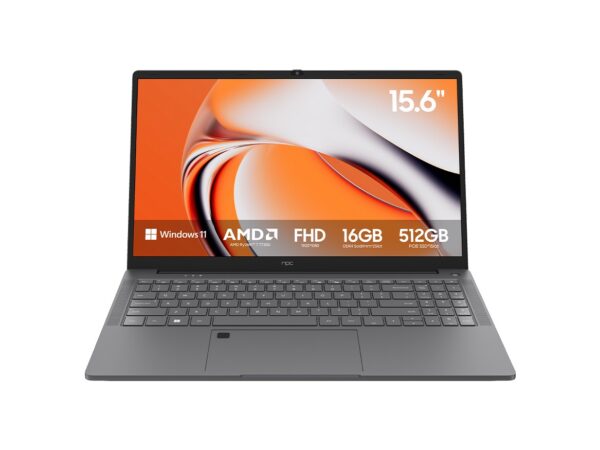
Experience and authority — where this advice comes from
I’ve reviewed dozens of commercial display deployments and watched the same mistakes repeat at major trade events like CES in Las Vegas, where manufacturers demo real-world control-room setups. That background helps spot what actually matters: network reliability, app stability, and vendor support. For hardware choices, check what established top monitor manufacturers are listing for commercial panels — those specs matter more than flashy marketing. Trust the numbers: uptime and supported OS features drive long-term satisfaction.
Common pitfalls teams fall into
Don’t overbuy resolution you won’t use — 4K is great, but if your source data is simple dashboards, it’s wasted spend. Don’t forget network capacity; multiple smart TVs streaming dashboards will choke a poor Wi‑Fi. Avoid locking into a single app vendor without ensuring backups for offline viewing. And don’t assume every Tizen update is harmless — test updates on one unit before rolling them out enterprise-wide.
Practical steps for planning and purchasing with Tizen in mind
Start with a short pilot: choose two rooms, one display each. Run your actual workflows for two weeks. Track issues: app crashes, login problems, latency. Use those findings to set a spec sheet: preferred panel size, bezel needs, mounting type, warranty terms, and network requirements. Ask suppliers for configuration services and clear SLAs. Price more than the screen — include installation, calibration, and remote management. Negotiate bulk firmware-validation windows before deployment.
Checklist you can use right away
Pick panel sizes by viewing distance. Confirm the Tizen OS version and update policy. Test your critical apps on the hardware. Reserve a static IP or VLAN for displays. Ask for 24/7 support options if the screens power core operations. Include spare units or quick-replace plans in the procurement contract. Simple checkboxes stop surprises during rollout.
Final thought
When the team sees the same dashboards, schedules, and quotes on reliable Tizen screens, planning gets cleaner and buying decisions get sharper. Keep choices pragmatic, test first, and buy with support in mind — that’s how small improvements in displays turn into fewer delays and clearer project outcomes, just like the practical solutions available through npc.