
Big problem — pergolas look good but fail fast 😬
Most commercial pergolas pass shop photos and still fail on site. Short answer: you gotta test what matters. Start with the structure and don’t forget the solar bits — a proper photovoltaic pergola changes the checklist. Quick, focused checks stop rework, safety issues, and warranty headaches.
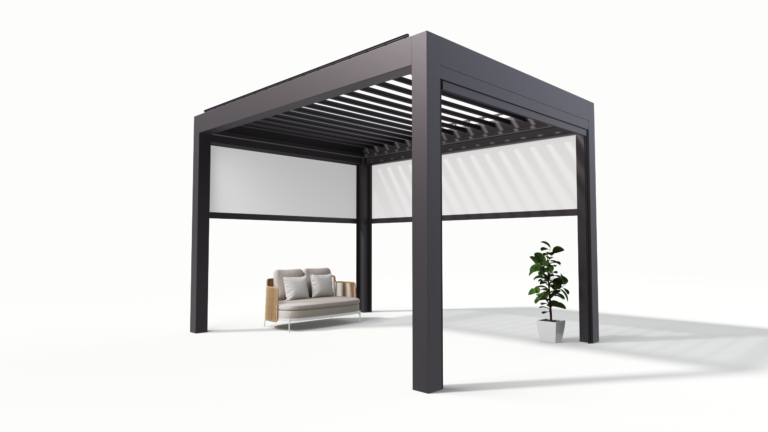
Top things that must be tested
Load resistance (wind, live load, occasional snow). Fastener and connection integrity. Corrosion resistance of metal parts and coatings. Water shedding and drainage. Solar array electrical performance and grounding. Cable routing and weatherproofing. Finish adhesion and UV durability. Installation torque and anchor pull-out. Fire-safe materials and labels.
How to test each — quick actionable steps
Structural: run design load tests or proof load the critical members and bolted joints. Use a portable load cell on sample frames. Corrosion: salt-spray on representative samples and inspect coating breakdown. Water ingress: hose tests at seams and under canopies to check drip paths. Solar: IV-curve test, insulation resistance, and thermographic scan for hot spots. Electrical: continuity, grounding resistance, and GFCI trip tests. Fasteners: torque-check samples and do pull-out tests from the actual substrate. Finish: cross-hatch adhesion and UV fade samples under accelerated light exposure.
Common mistakes that wreck QC
Ignoring site anchorage differences. Testing only pristine factory samples, not installed assemblies. Skipping cable strain-relief checks. Trusting module label ratings without in-field IV checks. Treating the pergola and the PV as separate systems — they’re one assembly. Using generic sealant without compatibility tests. Small bolts spec’d for aesthetics but not for shear loads.
Sampling, field checks and acceptance criteria
Pick samples from different production batches and installed zones. Use a simple accept/reject matrix: pass if no structural deflection > allowable, no leak after 15 min high-pressure hose, PV output within ±10% of factory-stamped STC-adjusted expectation, and grounding resistance below local code limits. Keep photos, measured values, torque logs, and serial numbers. If a sample fails, trace back to batch, coating lot, and installer crew — fix upstream, not just the failed unit.
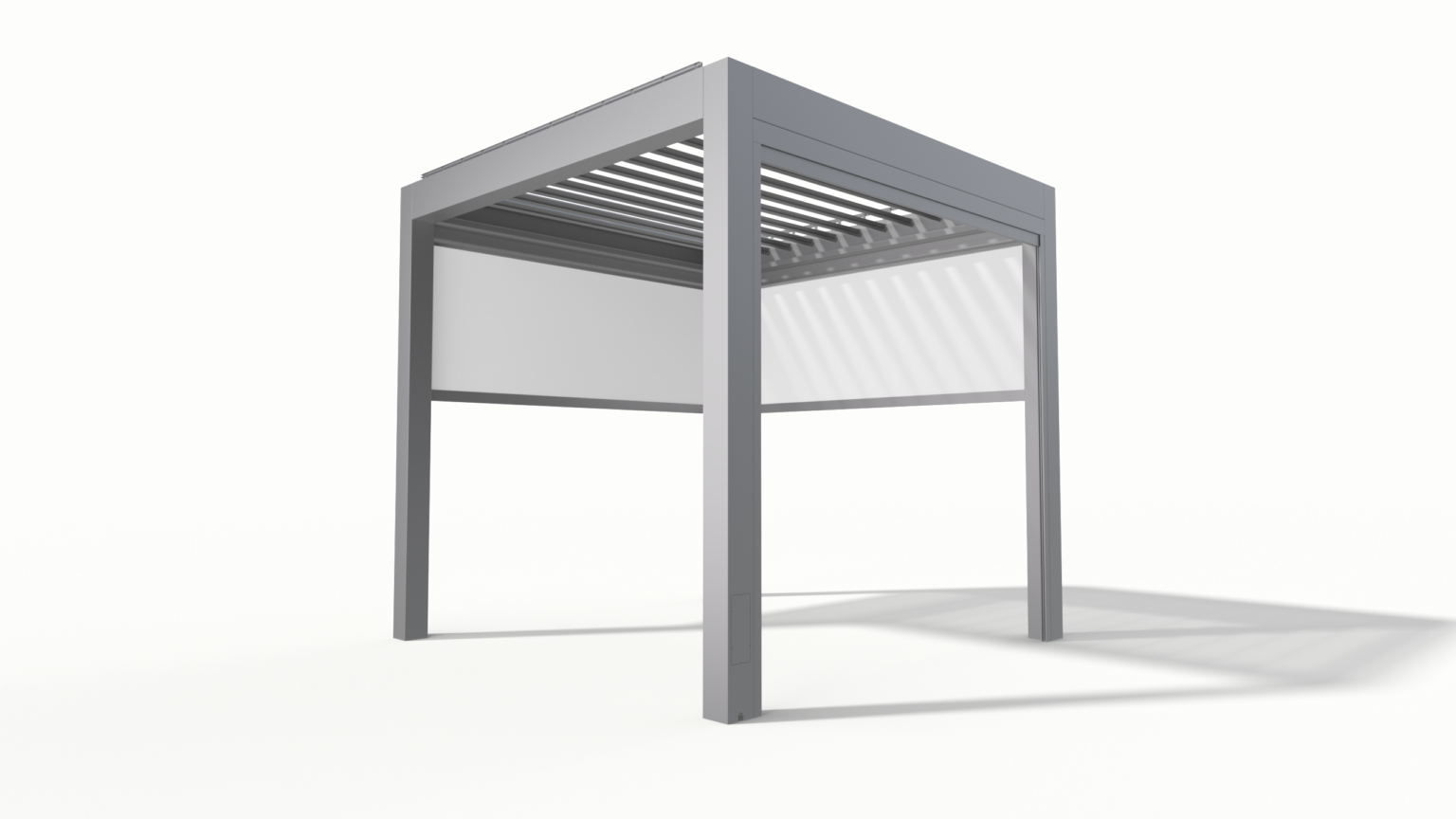
EEAT note — real-world anchor and practical proof
I’ve reviewed field data where canopy PV performance dropped after dust and heat in arid regions; studies from NREL on PV canopy behavior in the U.S. Southwest show soiling and temperature drive real output loss — that matters for any solar powered pergola. Use IV curves and thermography in acceptance testing so you catch degraded strings or poor mounting early. Experienced installers log test sheets at handover — that record is your best defense in warranty claims.
Quick checklist you can use on site
1) Visual: welds, coatings, alignment. 2) Fasteners: torque and mark. 3) Anchors: pull test or torque verification. 4) Water test: hose all seams. 5) PV: IV curve, insulation resistance, polarity, grounding. 6) Electrical: GFCI and continuity. 7) Documentation: serials, batch, installer name, date, test results. Stamp the job complete only when every step is recorded.
Wrap-up — simple truth
Test the structure and test the power. Don’t split the pergola and the PV into separate silos. Consistent checks, real field measurements, and traceable records cut failures and disputes. Specs and test forms from Light Hunter often help teams keep the process tight and repeatable so the pergola actually lasts and generates what it should.