
Introduction: A question, a number, and a small workshop scene
Have you ever walked into a print room and paused at the smell — wondering what you’re actually breathing? I have. A typical desktop resin print can release dozens of volatile organic compounds and ultrafine particles; studies often cite spikes in particulate matter (PM2.5) during prints (and yes, that matters). The second thing I noticed in many small shops was a single, cheap fan or a dangling DIY filter — hardly a proper 3D printer fume extractor for consistent protection.
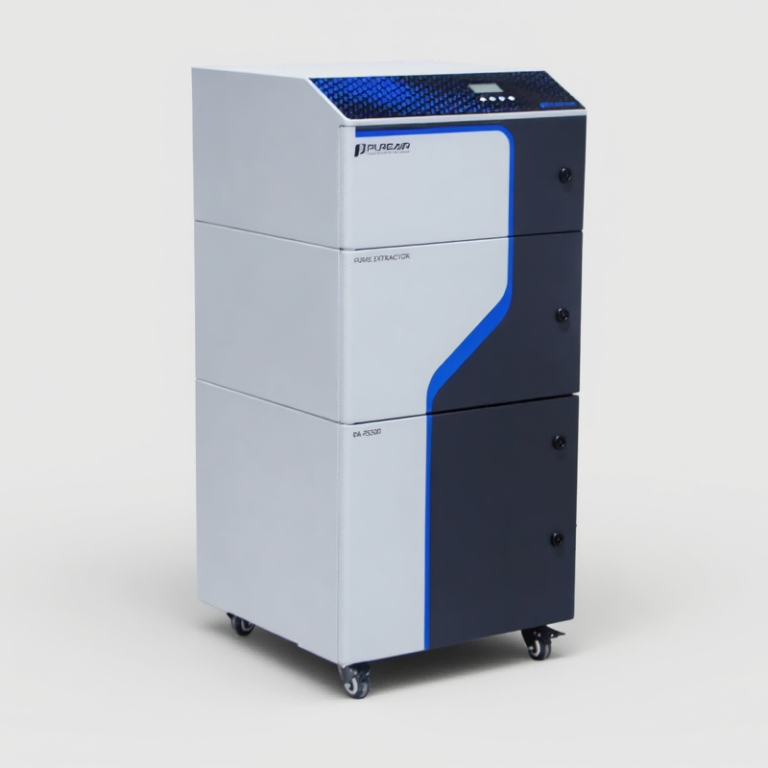
Scenario: a hobbyist with a single printer in a shared room. Data: measured PM2.5 jumps by 50–200% during prints in similar setups. Question: how do we sort basic ventilation from real, targeted extraction that keeps fumes and VOCs down? I’ll walk through the choices with you — quietly, plainly, and with a British head for detail. (No panic. We’ll make sensible decisions.)
Now, let’s look under the hood and see where common fixes fail — then plan a better path forward.
Part 2 — The hidden flaws of common extraction approaches
3D printer fume extraction is often treated as an afterthought: a clip-on fan, a window cracked open, or a single foil-wrapped duct. That’s the problem. I’ve seen units that promise “clean air” but rely on poor airflow design, low-efficiency filters, or underpowered fans. The result? VOC sensors still spike, particulate matter stays high, and users assume they’re safe when they aren’t. Look, it’s simpler than you think — poor capture at the nozzle makes even good filters less effective.
Technically speaking, three faults repeat themselves: wrong capture geometry, inadequate filtration media, and mismatched airflow rate versus fan speed. A HEPA filter will trap particulates but not adsorb certain gases; activated carbon helps with VOCs but gets saturated fast if you under-design the system. Then there’s maintenance — clogged filters and ignored pressure drops. I argue we must treat capture and filtration as one system, not two separate items. — funny how that works, right?
Why do users tolerate weak setups?
Because they judge by smell, not by numbers. Humans notice smell first; sensors and long-term harm are less obvious. I’ve argued with makers who say “it smells fine,” while PM2.5 logs tell another story. That mismatch is a hidden pain point: perceived safety versus measured safety. We need clear specs (air changes per hour, CADR — clean air delivery rate) and easy maintenance cues so people act before a filter fails.
Part 3 — New principles and practical next steps
Let’s be forward-looking. Modern solutions for 3D printer fume extraction merge targeted capture, staged filtration, and smart controls. I want to highlight three design principles we should expect: nozzle-proximate capture (close the source), staged media (HEPA plus activated carbon), and feedback (VOC sensors or airflow monitors). These principles cut exposure and keep maintenance predictable. They also make it easier to scale from one printer to a small farm without guesswork.
Practically, that means specifying a capture hood or arm with a known capture velocity, pairing it with a HEPA stage for particles and an activated carbon stage for organics, and adding a simple VOC sensor to flag when the carbon is saturated. I recommend thinking about power converters and fan speed control too — variable-speed fans give you control over airflow rate without noisy constant-high settings. Costs vary, of course, but the long-term gains — fewer filter swaps, better air, lower risk — often justify the spend. — I’ve seen budgets shift once teams log a few months of data.
What to test next?
Test with a particle counter and a VOC reader at the operator position, then repeat at the source. Compare before/after capture and note maintenance intervals. You’ll see metrics change fast — and you’ll sleep easier knowing the numbers match the smell.
Closing: three metrics I use when choosing an extractor
I’ll finish with three concrete metrics I use to judge any 3D printer fume extractor. First, capture efficiency at the nozzle — does the hood capture at typical print volumes? Second, clean air delivery rate (CADR) or airflow rate relative to room size — can it lower PM2.5 reliably? Third, filtration mix and serviceability — is there staged media (HEPA + activated carbon) and an easy way to see or swap filters? These metrics are simple; they tell the real story. If you want to be hands-on, measure before you buy — and keep a log.
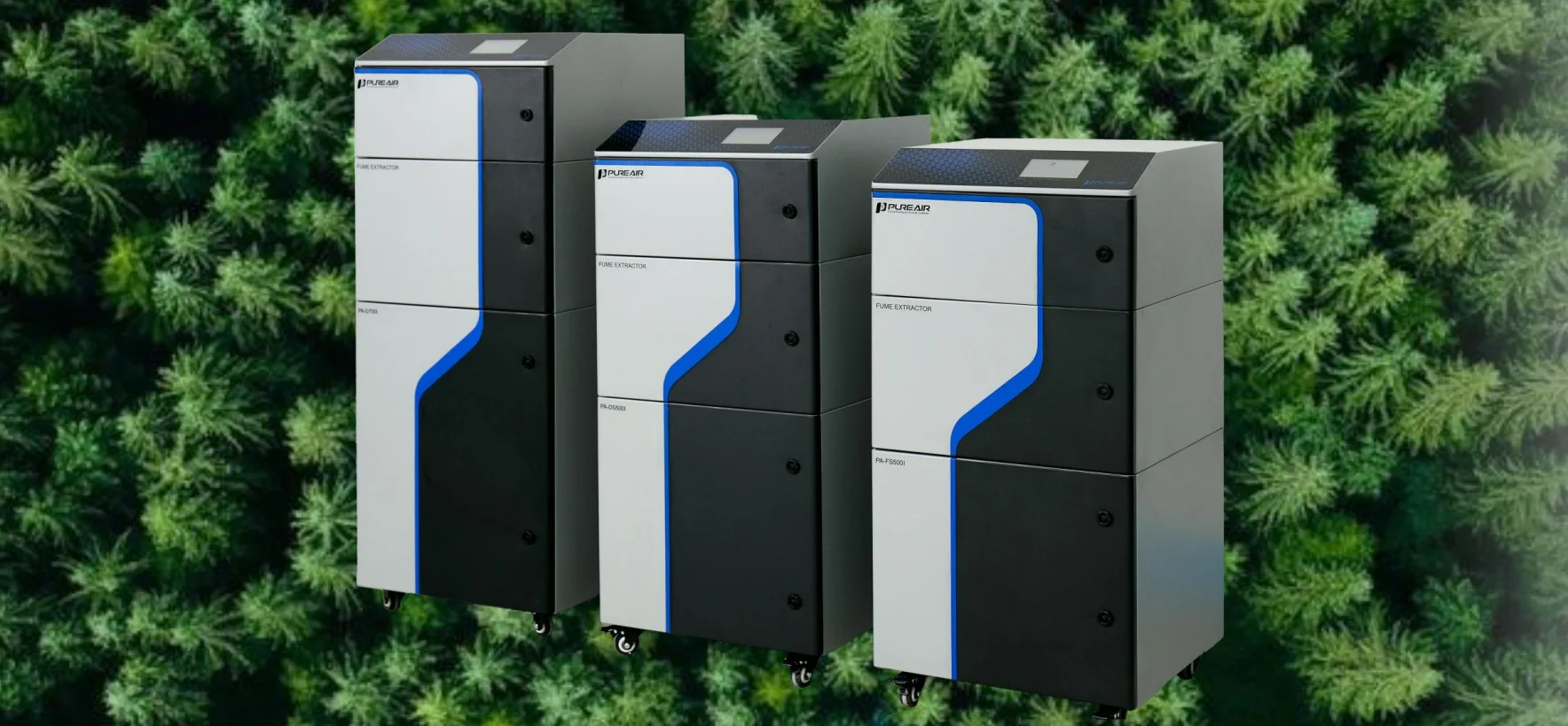
Choosing well means fewer surprises, lower exposure, and a calmer workshop. We’ve come a long way from homemade fans to systems that behave predictably. If you want an approachable option that follows these principles, take a look at what PURE-AIR offers and then align their specs to the three metrics above — you’ll thank yourself later.