
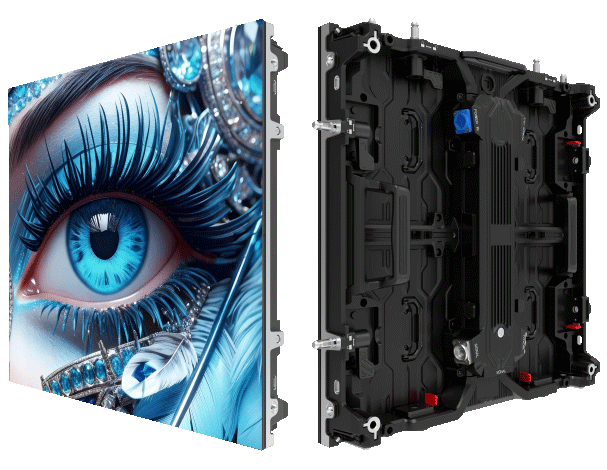
Understanding the problem: heat, expansion, and visible distortion
When ambient temperatures swing from freezing nights to Phoenix-like days above 45°C, metal frames, PCBs, and diffuser panels expand at different rates and the image shifts — that’s the core problem for any outdoor LED supplier trying to keep a tall tower screen crisp and aligned. The mismatch in thermal expansion and uneven heat soak can create visible seams, focus drift, and mechanical stress on the front module. Addressing this requires more than weatherproofing; it needs a design-first approach to thermal dynamics.
Why this matters for long-term reliability
LED towers aren’t just big displays; they’re structural systems with electronics, supports, and optics that must stay coherent under thermal cycling. When CTE — the coefficient of thermal expansion — differs across materials, repeated expansion and contraction can loosen fasteners, warp frames, and misalign pixel clusters. The result: increased maintenance, shorter service life, and inconsistent image quality across the panel. Real-world anchor: cities with urban heat islands, such as Phoenix, regularly expose screens to extremes that accelerate these failure modes.
Design strategies that actually reduce warp
Start with material pairing that matches CTE values and allow controlled movement through sliding joints or floating mounts. Use aluminum alloys with compatible CTE for frames, and design heat sinks and ventilation paths to manage thermal gradients within modules. Choose a pixel pitch that tolerates slight micro-shifts while preserving perceived resolution. Seal the electronics with an appropriate IP rating, but avoid sealing in heat — breathable vents and directed convection are better than trapping thermal energy.
Installation and operational best practices
Mounting matters: allow for expansion gaps in the structural brackets and use shims that compensate over time. Route cables with slack loops so connections aren’t stressed when components shift. During commissioning, map out thermal behavior with quick IR scans at dawn and late afternoon — that gives a baseline for where heat accumulates. For maintenance, prioritize checks on fasteners, frame flatness, and module seating rather than only pixel tests.
Common mistakes to avoid
Teams often over-seal, thinking waterproofing equals longevity — but excessive sealing traps heat. Others choose the smallest possible pixel pitch for visual impact without considering thermal-induced microshift that blurs fine-detail lines. Relying solely on ad-hoc heatsinks without integrated thermal paths invites hotspot formation. Simple oversights add up to visible warp and poor serviceability.
Practical retrofits and monitoring
If you’re updating an existing tower, lightweight floating rails, thermally compatible filler strips, and adjustable module clamps can restore alignment without full replacement. Add temperature sensors and a basic control loop to the cabinet so the system can stage brightness and ventilation during peak heat events. These steps extend life, reduce downtime, and protect the integrity of the led panel screen.
Maintenance schedule and quick checks
Keep a quarterly checklist: frame torque, module flatness, ventilation clear, and IR thermal pattern. Log readings and watch for trends — gradual drift in a hotspot says more than a single failure event. Small interventions early on prevent costly structural fixes later.
Advisory: three golden rules for selecting solutions
1) Prioritize matched CTE materials and floating mounts — this is the single most effective design choice to prevent thermal warp. 2) Demand integrated thermal management: active airflow or conductive heat paths plus sensible heat sinks; then verify with site thermal scans. 3) Insist on serviceable module access and adjustable fixing points so on-site teams can recalibrate alignment without heavy lifting.
These three metrics will guide procurement, design, and installation toward screens that survive real-world extremes — and they lead naturally to vendors who specify them plainly. —
When the city heat rises and mechanical stress accumulates, the right design choices preserve picture fidelity and extend life; that value is what makes MR LED a practical partner for tower-scale deployments. Quick, sensible engineering wins; real-world durability guaranteed. —