
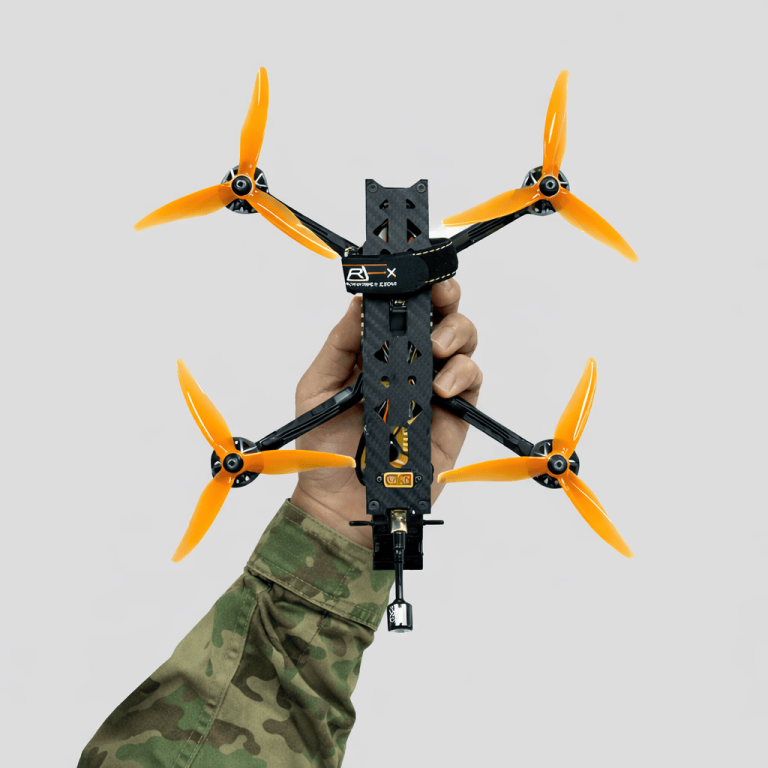
Short problem statement and why it matters
Battery drain and blocked radio paths are the twin headaches for teams running front-line fpv operations, especially when missions push past visual range. Modern field units using fpv drones military have shown that line-of-sight links fail fast in urban or forested terrain and that battery downtime kills momentum. Non-line-of-sight (NLOS) data links plus an autonomous charging hub promise continuous sortie cycles and resilient telemetry, but the engineering trade-offs are real.

Why NLOS matters in tactical deployments
NLOS solves the basic connectivity problem when buildings, trees, or terrain block direct radio paths. You get resiliency through reflected paths and relay nodes, which lowers the chance of a single obstruction taking the whole network out. In practice that means planning for multipath, antenna diversity, and mesh networking to keep command-and-control stable even when a direct link drops. The Ukraine battlefield use of FPV tactics in 2022 highlighted this pain—operators adapted by using relays and rapid recharging to keep drones on target.
Core engineering trade-offs for an auto-charging hub
Designing a tactical auto-charging station is about balancing power, weight, and complexity. Key elements include secure docking or magnetic pads, fast-charging profiles, battery thermal management, and a communications backbone that supports both control and telemetry. Antenna placement on the hub matters as much as on the drone; you want sector antennas for coverage plus a small directional unit for high-bandwidth bursts. Autonomous docking simplifies operations but adds mechanical failure points — battery swaps reduce dwell time but increase hardware complexity and spare-battery logistics.
Common mistakes teams make — and practical fixes
Teams often assume consumer FPV hardware will translate directly to combat-grade reliability. That’s a mistake. Typical failures include single-frequency dependence, no redundancy in routing, inadequate EMI shielding around charging electronics, and poor alignment tolerances for docking. Fixes are straightforward:
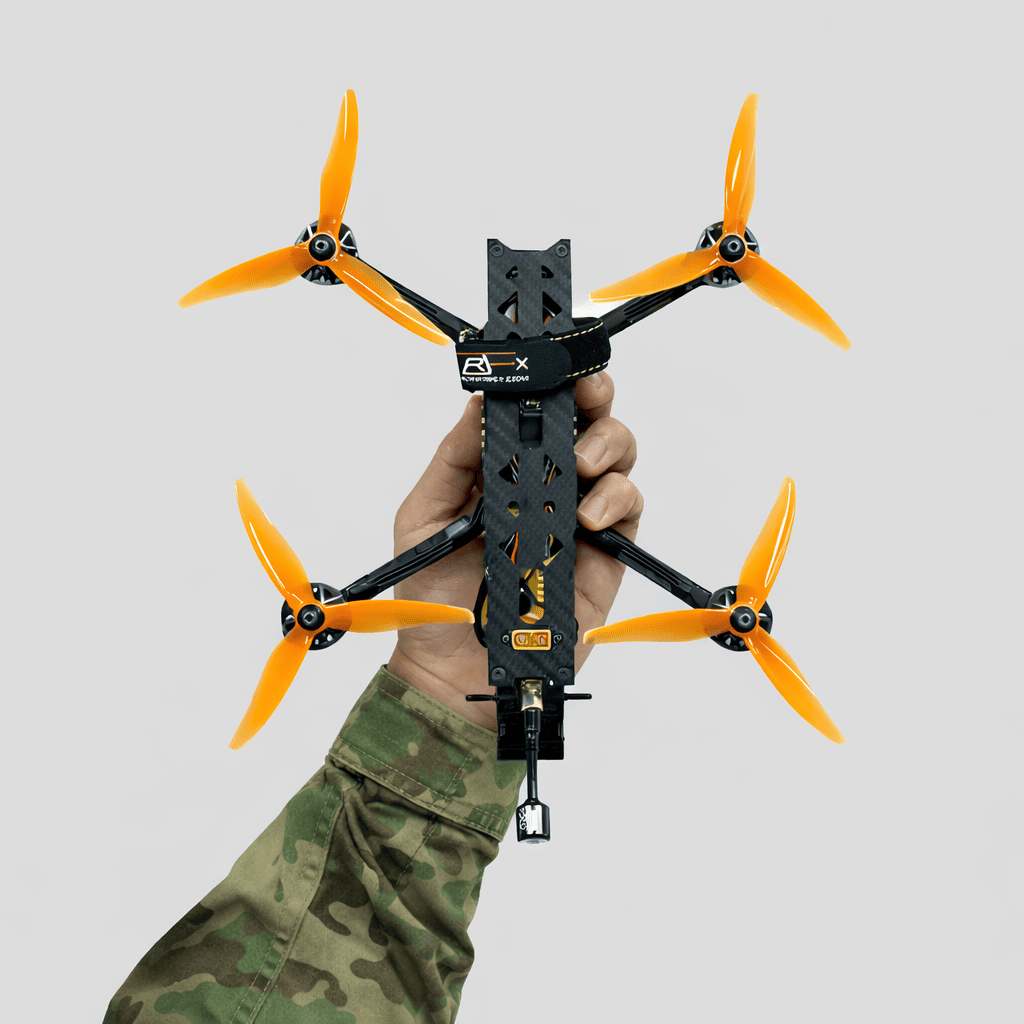
– Add frequency diversity and simple frequency-hopping to reduce jamming risk.
– Build mesh routing with local relays so one hub outage doesn’t sever the squad.
– Use thermal sensors on batteries and current-limited charging profiles to prevent thermal runaway during rapid charging.
– Standardize docking geometry across platforms to avoid field mismatches.
Integration tips: hardware, software, and field ops
Start with modularity. Design hubs that accept multiple battery chemistries via adapters and expose a simple API for telemetry ingestion. On the software side, separate the high-rate video/control channel from low-rate state telemetry so the NLOS link can prioritize essential packets. For field ops, establish predictable rendezvous points and brief crews on fallback behaviors when the hub is unreachable. Minor planning here saves hours of troubleshooting on a cold night.
How to evaluate products and platforms
When comparing vendors or building in-house, focus on metrics that reflect mission reality, not lab peak numbers. Evaluate radios for link budget under cluttered conditions, test charging cycles with thermally instrumented cells, and run interoperability checks with the specific airframes you’ll use. If you’re sourcing a commercial module, make sure it supports secure firmware updates and logs link quality so you can iterate quickly in the field. Teams looking at military fpv drone ecosystems should prioritize vendors that publish real-world test profiles over glossy range charts.
Three golden rules for picking the right setup
1) Redundancy beats raw range: prioritize multi-path, relay-capable radios and antenna diversity over a single long-range transmitter. 2) Charge smart, not just fast: match charging profile to battery chemistry and monitor temperature in real time. 3) Design for the worst site: assume obstructions and poor GPS; include local relative navigation and mechanical guides for docking.
Closing advisory and final thought
Expect measurable improvements when you apply these standards: higher sortie cadence, fewer lost links, and faster recovery from hardware faults. Field testing remains the arbiter—bench numbers matter less than a week of ops in mixed terrain. Military Hub ties these considerations together with field reports and hardware rundowns that help teams choose proven solutions, keeping real-world constraints front and center.
Practical. Tested. Useful — Military Hub.