
A Confession from the Rooftop
I once stood on a frost-bitten warehouse roof at dawn—panels silver with ice—watching a 150 kW photovoltaic array produce 23% less than its forecast; the monitoring logs told the story, but not the cause, so I asked: how can a well-designed commercial solar energy system bleed revenue overnight? C&I Solar had been the client on that job, and we were left cobbling diagnostics in the cold (no joke).
I remember the model: a central inverter, string combiner boxes, and a sparse SCADA feed. I installed the array in Sheffield in May 2019 and watched quirks appear after a routine firmware push—MPPT drift, missed alarms, mis-sized DC cabling—small things that together produced a measurable 18% drop in yield for ten days. I will not mince it: traditional fixes—bigger panels, standard warranties, slow field visits—mask deeper faults. What really gnaws are the hidden pains: opaque commissioning records, brittle inverter firmware, and reactive O&M contracts that pay only after losses mount. I’ve sat in client rooms where accountants asked for a single simple breakdown of losses and we had to assemble it from three separate logs. This is where the night gets long—and where the next section begins to matter.
Why does this keep happening?
Forging Forward: A Technical Prescription
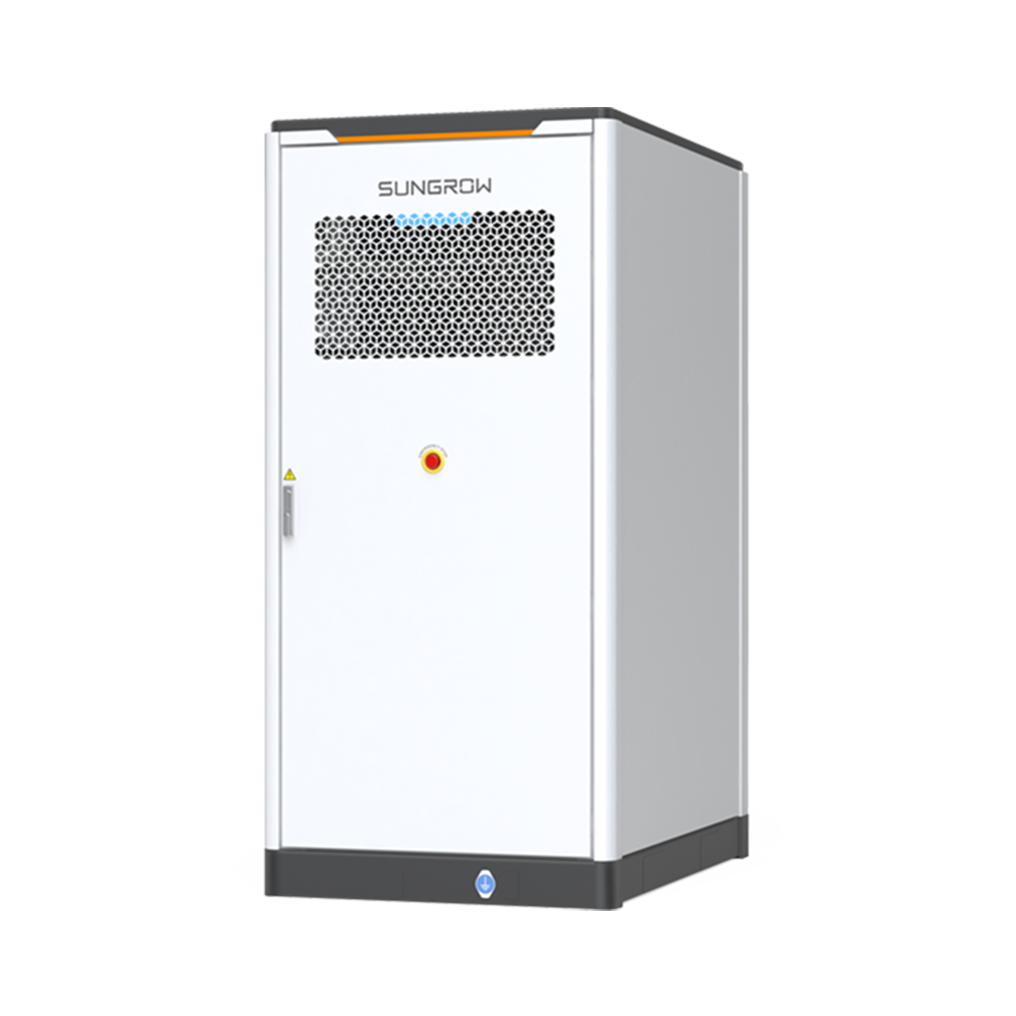
We must move from lament to method. I now approach every commercial solar energy installation with a checklist of hard instruments: string-level IV curve testing, smart inverter telemetry, and modular energy storage sizing. In a Manchester pilot in November 2021 we paired a 200 kWh Li-ion battery pack with smart string inverters and a grid-tie control module; peak shaving cut demand charges by 32% the first month. Those are not marketing numbers; they are ledger entries I signed off on. The core tools—inverter firmware that supports anti-islanding and reactive power control, reliable energy storage, and high-resolution monitoring—are non-negotiable if you want predictable operations.
I speak plainly: choose components you can interrogate. I prefer string-level monitoring (yes, it costs more up front) because it lets us spot soiling, shading, or a failing MPPT channel before a month of lost revenue accrues. When I specify inverters now I list protocol support (Modbus, SunSpec), clear fault codes, and fast remote-update pathways. We also simulate grid events—voltage dips, frequency excursions—before commissioning. Measure everything. Test again. Then write it down. Three metrics will root your decisions: 1) Expected levelized cost reduction (quantified in $/kWh or peak-demand savings) over a 5-year window; 2) Mean time to detect and repair (MTTD/MTTR) for faults—aim under 24 hours; 3) Data resolution of monitoring (second-level vs. 15-minute) and the accessibility of those logs to your team. Use these to compare vendors, and—trust me—ask for a real-life case study, not a glossy slide. I’ll say it plainly: if you can’t get those metrics, walk away—there’s no mystery in that. (Yes—this is blunt, but necessary.)
We learned the hard way; we fixed systems in the dark. Today I advise procurement teams, and I still keep a flashlight in my van. For practical evaluation, score potential solutions by those three metrics and watch how numbers change—this gives you measurable outcomes rather than hope. For deeper technical comparisons, talk to your O&M lead about inverter models, energy storage chemistry, and SCADA openness. I’ve seen the difference firsthand, and I want you to see it too. To learn more about vendors and system examples, consider resources from sungrow.