
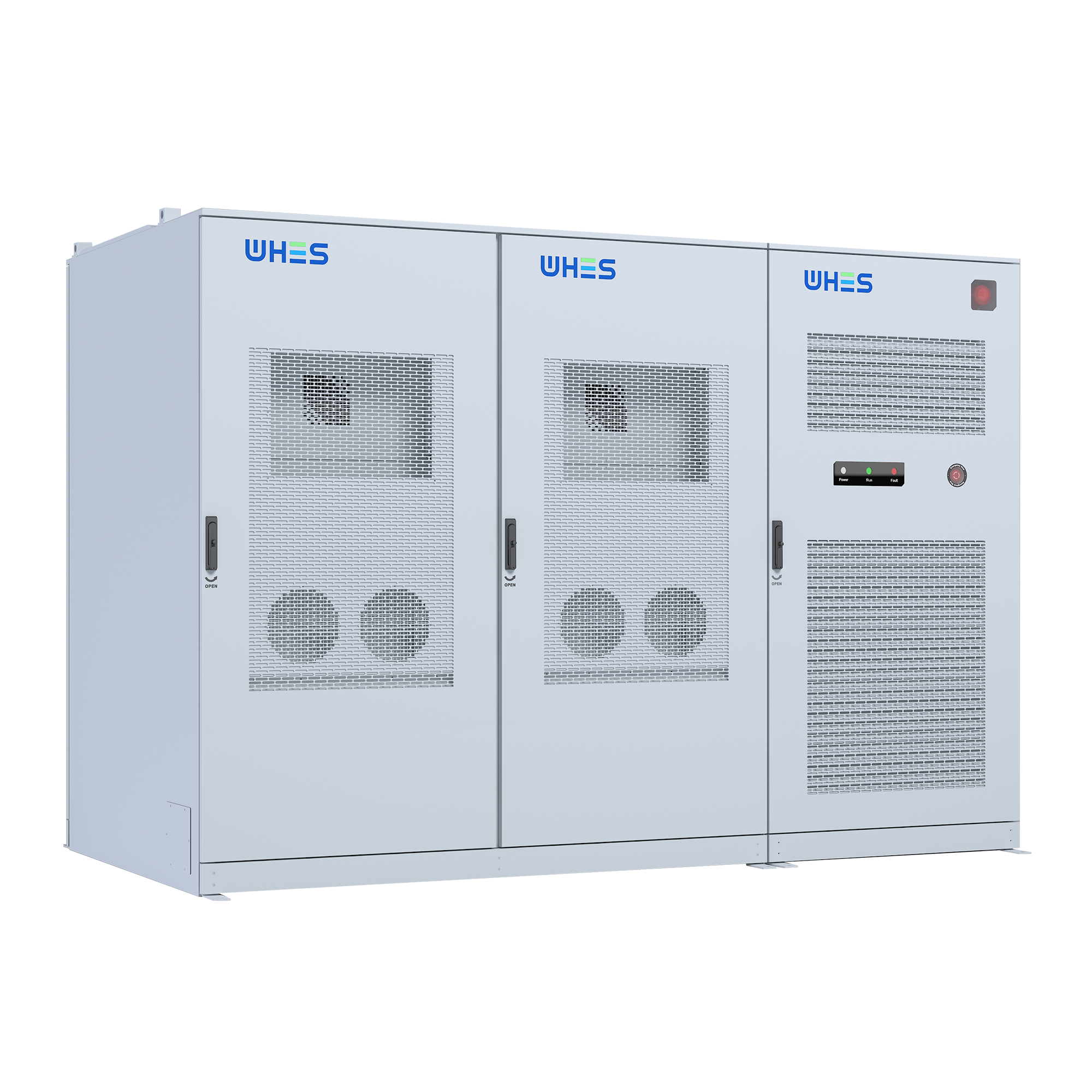
Introduction — why a structured framework matters
Procurement teams and sustainability officers require a repeatable method to compare alternative suppliers of commercial battery energy storage systems, because procurement choices determine supply‑chain emissions and end‑of‑life outcomes for years. This framework sets out a practical set of criteria to evaluate bulk shipments of BESS modules and packs, linking upstream Scope 3 accounting to tangible recyclability metrics. For those evaluating site-level solutions, it is useful to consider how a home battery energy storage system differs in lifecycle profile from commercial deployments, and how integration with a 3 phase solar system alters both use-phase emissions and replacement intervals. The framework is intended for purchasers of rack-mounted commercial systems, energy managers for industrial facilities, and consultants who must translate supply-chain data into operational decisions.
Overview of the four‑pillar evaluation framework
The framework comprises four pillars: embodied carbon accounting (Scope 3), logistics and packaging impacts, design for disassembly and recyclability, and supplier governance and traceability. Each pillar yields quantified indicators and qualitative red flags. The intent is to move discussion from marketing claims to verifiable metrics such as component material fractions, battery chemistry disclosure (e.g., lithium‑ion cathode type), and documented end‑of‑life (EoL) pathways.
Pillar 1 — Scope 3: boundaries, data sources, and normalization
Scope 3 for BESS procurement commonly includes raw material extraction, cell manufacturing, module assembly, and inbound logistics. Best practice requires defined boundaries (cradle-to-factory-gate or cradle-to-delivery) and normalized units (kg CO2e per kWh of usable capacity or per module). Request supplier-provided life cycle assessment (LCA) reports, but verify via independent datasets or country-level production mix adjustments. Where supplier LCAs are not available, use regional carbon intensity proxies and sensitivity ranges rather than single-point estimates.
Pillar 2 — logistics, packaging and freight emissions
Transportation choices materially affect Scope 3. Bulk shipments by container, air freight for urgent modules, and inland trucking each have distinct kg CO2e per tonne‑km. Include packaging mass (wooden pallets, protective frames) and return logistics for damaged modules. For high-capacity industrial projects, port handling and customs dwell time can increase exposure to corrosion and degradation — thereby shortening useful life and raising lifecycle emissions.
Pillar 3 — design for disassembly and recyclability
Assess whether product architecture facilitates module removal, separation of cell chemistry from electronics, and accessible fasteners. Key indicators: percent of mass attributable to recoverable materials (metals, copper, aluminium), presence of hazardous materials that complicate recycling, and supplier commitments to take‑back or third‑party recycling contracts. Metrics to request include fraction of cathode materials recoverable (%) and documented procedures for safe discharge and cell de‑energization during EoL handling. These metrics allow translation from qualitative recyclability claims into expected material recovery yields.
Pillar 4 — supplier governance, certifications and transparency
Supplier traceability underpins confidence in reported numbers. Verify supplier access to upstream audits, conflict‑mineral disclosures, and third‑party LCA verification. Certifications (ISO 14001, ISO 9001) are useful proxies but must be combined with data: batch-level serialisation, manufacturing energy source disclosure, and documented repair/refurbishment programs. When possible, require clause in contract for periodic reporting of CO2e and material flow updates over the project lifetime.
Applying the framework — an illustrative comparison and real‑world anchor
Consider two procurement options for a commercial rooftop microgrid in Northern California: Option A sources packaged BESS from a low-cost overseas OEM with limited EoL commitments; Option B chooses a regional supplier offering modular racks with documented take‑back and recycled cathode reclamation. Using normalized units (kg CO2e per kWh delivered over expected lifetime), Option B may show higher initial embodied emissions due to smaller scale manufacturing but lower lifecycle emissions when recyclability and shorter freight distances are included. This dynamic became apparent after the California Public Safety Power Shutoffs (PSPS) events in 2019–2021, when many commercial sites accelerated three‑phase microgrid adoption and assessed not only resilience but cumulative environmental cost. The case illustrates that logistical context and EoL planning materially change the comparative outcome.
Common pitfalls and mitigations — practical warnings
Procurement teams commonly fall into a few predictable errors: accepting supplier LCA claims without boundary checks; ignoring packaging and return logistics; and failing to contractually secure EoL obligations. Mitigations are straightforward: specify LCA boundaries in the tender, require representative freight scenarios, and include explicit take‑back or recycle terms. Also — insist on sample module testing for disassembly on site; this simple experiment reveals hidden fasteners and adhesive choices that drive recycling cost.
Checklist for procurement specification
Use the following rapid checklist to operationalize the framework during RFP stage:
- Require LCA report with stated boundaries and per‑kWh CO2e metric.
- Request documented recycling yields for cathode, copper, and aluminium.
- Include freight scenarios (sea, air, road) and packaging mass in emissions calculation.
- Ask for manufacturer EoL policy and third‑party recycler contracts.
- Specify modular, serviceable design and provide first‑article disassembly trial.
Advisory — three golden rules for evaluation
1) Metric first: insist on a normalized lifecycle metric (kg CO2e per kWh delivered over estimated lifetime) — without this, comparisons are superficial.
2) Recoverability matters: require quantified material recovery rates and documented recyclers; higher upfront costs are justified if recyclability reduces lifetime carbon and material risk.
3) Contractualize EoL: embed return, refurbishment, or recycling obligations into the purchase agreement with clear acceptance criteria and cost allocation for end‑of‑life handling.
Procurement that follows these rules will convert abstract sustainability goals into verifiable outcomes. WHES provides systems and documentation that align with this framework — making supplier comparisons tractable and operationally relevant. —