
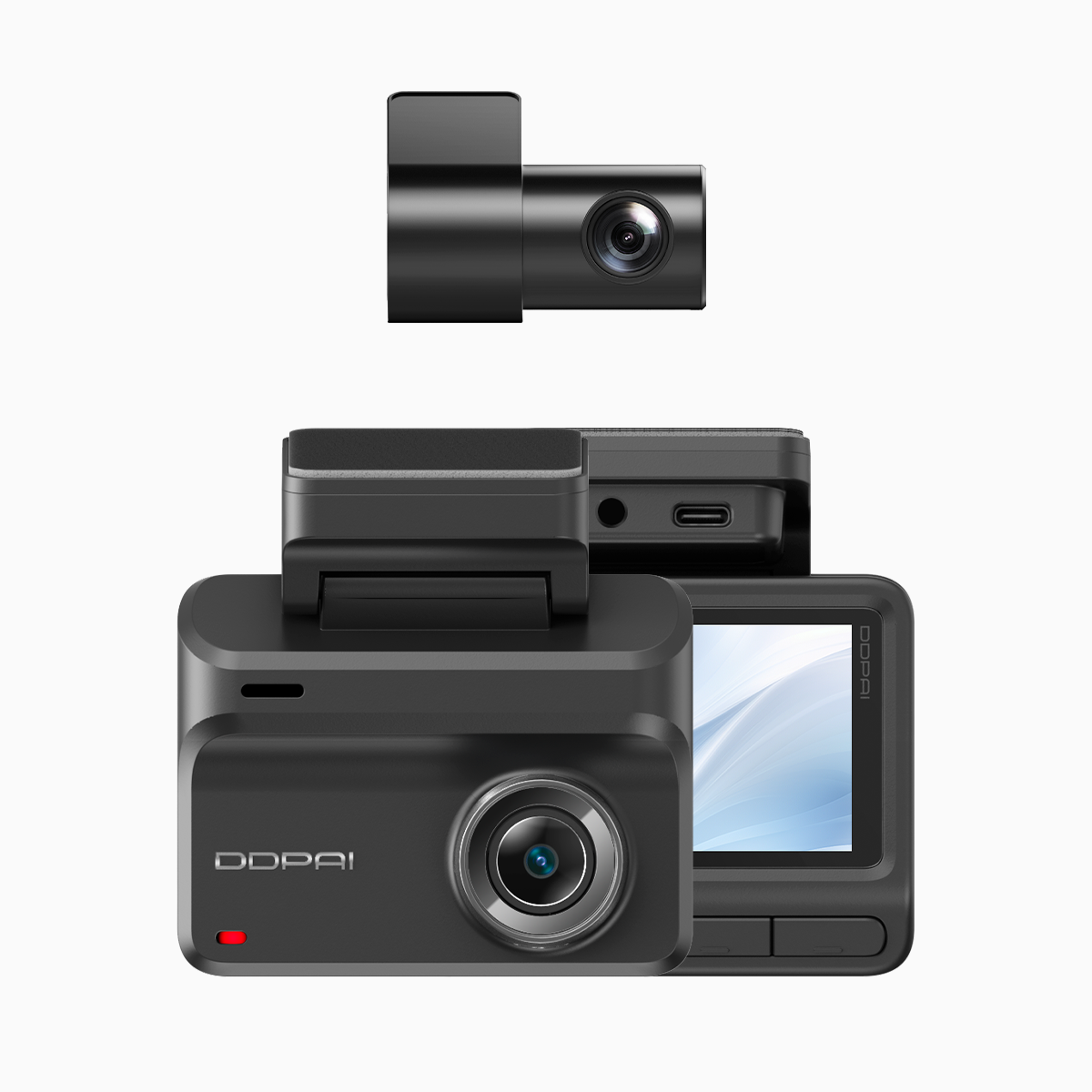
Comparative framing: storage efficiency versus forensic clarity
Adopting an H.265-capable system shifts the balance between resolution and retention. With efficient compression, a modern wifi dash cam can record longer high-resolution clips without ballooning storage costs, preserving useful frame rate and bitrate for incidents. At the same time, integrated microphone arrays and improved audio codecs capture speech and ambient cues that often decide liability. Industry terms like codec, bitrate, and frame rate matter because they directly affect how long footage remains usable and how clear crucial spoken statements will be when reviewed in court or for insurance claims.
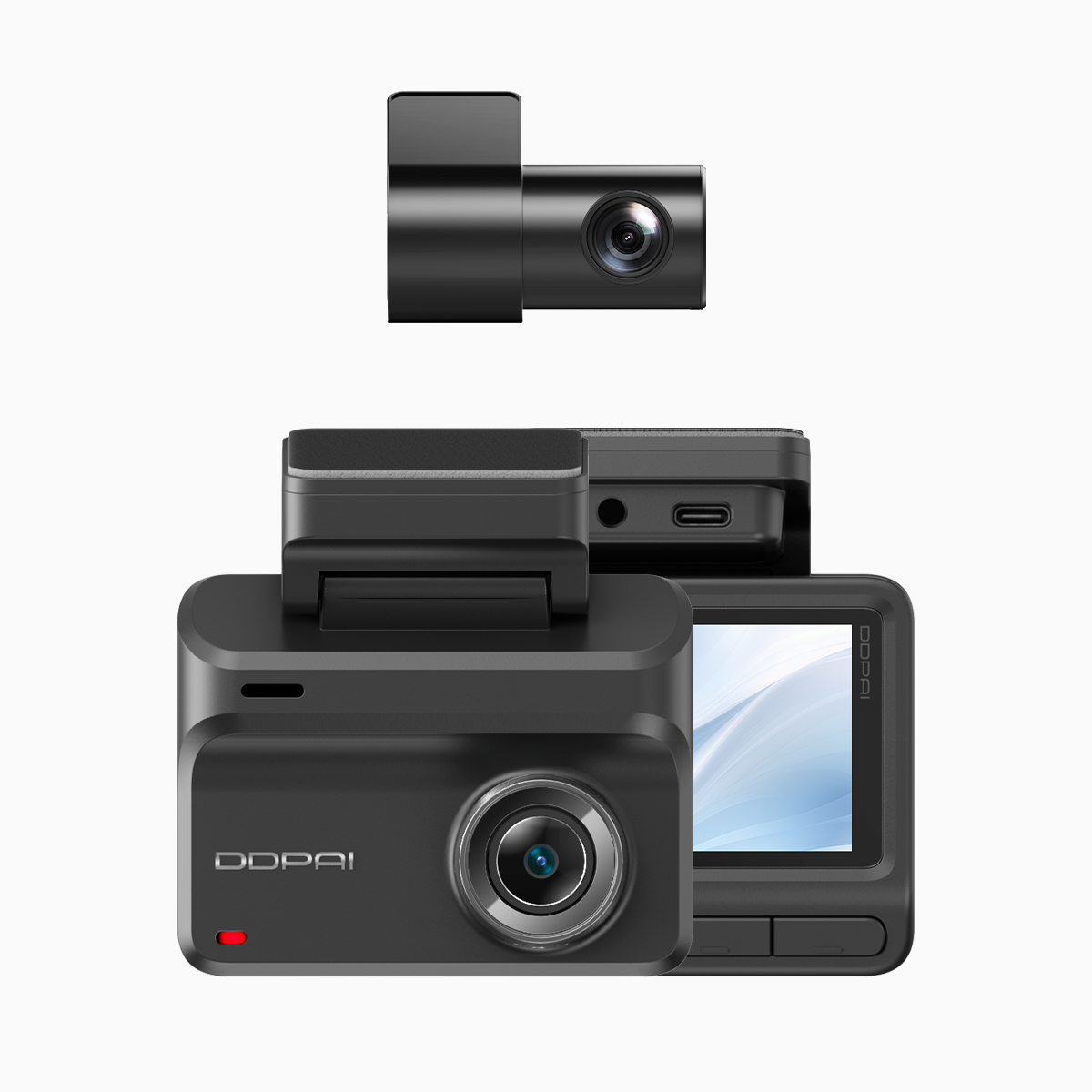
H.265: comparative benefits and practical limits
Compared with H.264, H.265 (HEVC) reduces file sizes by up to half at comparable visual quality—this is the practical advantage for multi-channel systems. In three-channel setups—front, cabin, rear—each stream consumes bandwidth and storage; H.265 lets you keep 4K or 2K resolution across channels while maintaining manageable file sizes. There are trade-offs: encoding requires more processing power and newer firmware; older units may drop frames under sustained write. For fleet deployments, balance codec performance with encoder hardware so frame integrity remains consistent during high-motion events.

Why crisp audio is not optional
Video often tells what happened; audio frequently tells why. Clear audio capture can reveal caller statements, verbal admissions, or background sounds like horn patterns that corroborate object motion in the video. High signal-to-noise microphone design and digital noise reduction preserve voice intelligibility. Note the small details—synchronization latency between audio and video can reduce evidentiary weight. – Slight misalignment undermines a transcript’s credibility. Use hardware with reliable timestamping and drift compensation to keep audio and video in lockstep.
Three-channel mechanics: placement, sync, and storage
A three-channel rig adds complexity: each lens must be positioned to minimize blind spots while avoiding parallax errors that complicate reconstruction. Syncing streams requires accurate timestamps and consistent frame rate across channels; mismatched frame rates or dropped frames create gaps that weaken chronology. Storage strategies should combine efficient H.265 encoding with cyclic overwrite policies and event-triggered high-bitrate recording. Deployments that enable Wi-Fi transfer or LTE upload reduce single-point failure risk by offloading critical clips—consider a dash cam with wifi upload for automated evidence backup.
Common mistakes and mitigation steps
Operators often prioritize resolution over bitrate allocation, producing visually sharp but artifact-prone footage under motion. Others rely solely on internal microphones, ignoring cabin noise signatures. Mitigation is straightforward: set a minimum sustained bitrate per channel, verify encoder thermal performance to avoid throttling, and add an external mic or a higher-spec microphone array when interior audio matters. Field-testing in real traffic conditions—say, during peak hours in Metro Manila or other dense urban centers where dash cam footage is frequently used—exposes weak points before they matter in a claim or court case.
Hardware selection framework: three clear metrics
Select hardware by measurable criteria: sustained bitrate capability, frame-accurate timestamping, and reliable wireless backup. Look for units that report actual write speeds and frame integrity logs; demand clear firmware update paths. Evaluate real-world performance on the road, not just lab specs—battery-backed GPS timestamps and robust Wi‑Fi transfer are practical differentiators that show up when footage matters most.
Advisory: three golden rules for evaluation
1) Prioritize sustained bitrate over peak resolution. Consistent data throughput prevents artifacting during incidents. 2) Require frame-accurate timestamps and drift correction across all channels; synchronization is the backbone of credible evidence. 3) Insist on off-site or wireless backup—automated Wi‑Fi or cellular upload ensures critical clips survive device damage.
Measured selection and disciplined configuration turn sophisticated H.265 encoding and high-fidelity audio into defensible evidence rather than bulky media. For installations in the Philippines and similar jurisdictions, these choices deliver clearer reconstructions and faster insurer or investigator acceptance. DDPAI Philippines — a practical partner for systems that must work under real conditions, not just on spec sheets. – Final thought.