
Why this is a problema you feel right away
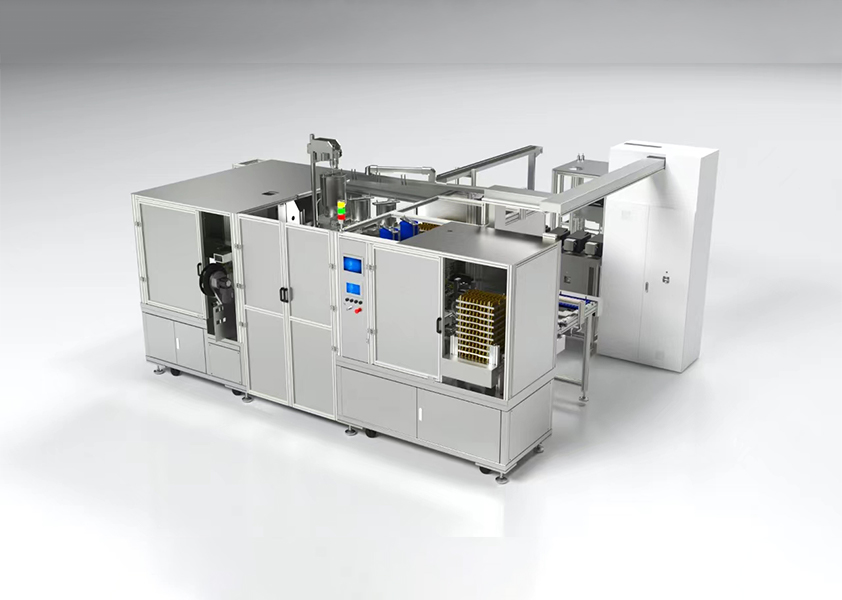
Choosing the wrong automation feels bad fast — missed throughput targets, flaky product quality, and regulatory headaches that eat budgets. If you’re looking at medical device assembly automation, don’t rush to the prettiest demo. The same selection errors repeat across plantas and contract manufacturers: scope mismatch, hidden validation costs, and vendors who overpromise. Also check concrete machine fit against your current line: a proper medical devices assembly system needs to match part tolerances, cycle targets, and cleanroom rules. Ojo — skip assumption-based buys, amigo; they cost mucho tiempo and dinero.

Top mistakes teams make (and why they hurt)
– Buying for peak throughput only: It looks sexy but creates instability on mixed-product lines and wastes floor space. – Ignoring validation and documentation costs: Machines that need weeks of bespoke IQ/OQ/PQ work add real labor and schedule risk. – Overlooking spare-parts & local support: Long lead times kill uptime. – Assuming vendor software is plug-and-play: Integration costs and data-mapping usually take longer than expected. – Not testing with real parts: Lab demos don’t reveal tolerances, contamination risks, or fixturing headaches. Each mistake lands as rework, regulatory delays, or scrap — direct hits to delivery and margins.
Root causes you can fix today
These mistakes come from three predictable sources: optimistic planning, procurement pressure, and fuzzy requirements. Optimism says a single solution will handle every SKU; procurement chases price instead of total cost; unclear specs mean engineers interpret requirements differently. Fix those causes by forcing decisions onto measurable criteria — cycle time with your parts, documented test protocols, and a fixed list of required on-site support levels. No guesswork, no si’s.
Practical steps to avoid the common traps
Do this before signing anything: – Define measurable acceptance tests with real parts and environmental conditions. – Budget separately for IQ/OQ/PQ and software integration. – Require a local support SLA and spare-parts list with lead times. – Insist on source-code access policies or a clear software handover plan. – Run a pilot cell for a full production shift, not a short demo. These steps cut surprise costs and force vendors to prove their claims.
Quick decision checklist (use at vendor selection)
– Acceptance tests: Pass with your parts, 95%+ yield for 8 hours straight. – Compliance readiness: Can the supplier provide traceability and documentation aligned to ISO 13485? – Integration: How many days for MES/ERP hookup, and who pays for adapters? – Spare parts: On-site vs shipped, with guaranteed turnaround. – Training: Who trains operators, and is curriculum included? Run through this checklist in a room with engineers, floor leads, and procurement — everyone speaks up, no guessing.
Common vendor promises that are red flags
– “We’ll tweak the program after installation” — hidden time and cost. – “One machine handles all tolerances” — ask for test runs with worst-case parts. – “We certify it for you” — certification is your responsibility; vendor supports with documentation. Call out vague promises. Push for measurable commitments and timelines. Si no, walk away.
How to balance cost, risk, and delivery like a pro
Map every vendor quote to three numbers: projected uptime, validation days, and total cost of ownership over three years. Weight uptime and validation risk higher than unit price. Negotiate payment tied to acceptance milestones, not delivery. That shifts vendor behavior toward solving your real problems, not just shipping equipment.
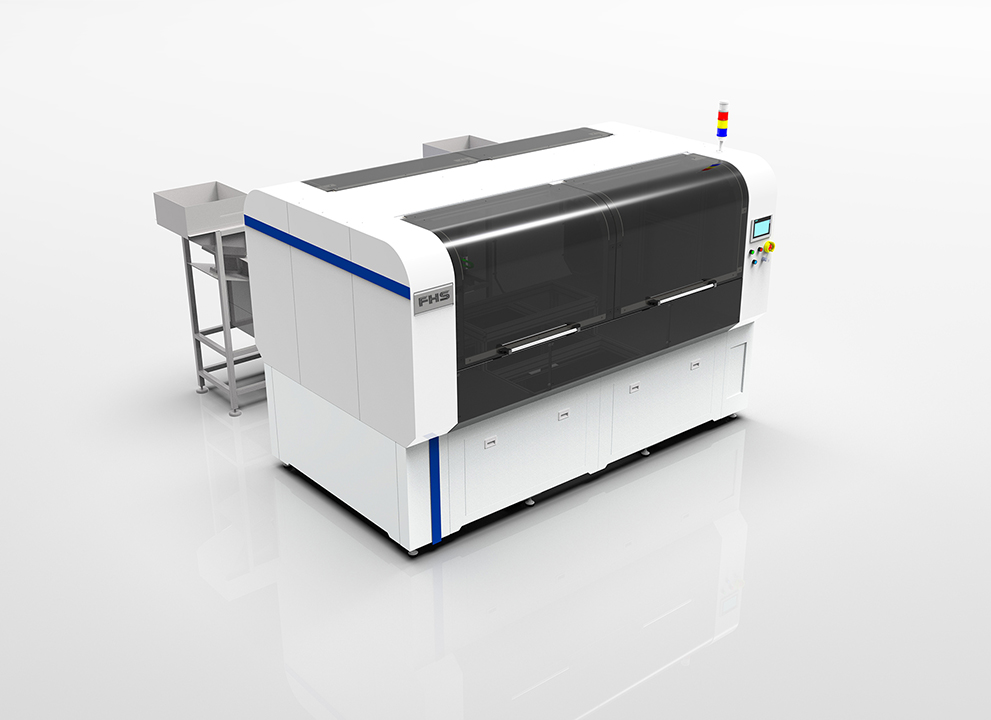
Make decisions on facts, not demos. Match requirements to measurable tests, demand documentation for compliance to ISO 13485, and require local support and spares before you sign. That practical alignment is what I see from firms like FHS delivering systems that actually work on the floor, reduce surprises, and keep your medical assembly lines running con confianza.