
The problem I kept facing
You want a clean, reliable desktop but you feel swamped by specs, sizes, and promises; I did too, so I started hunting for practical options and comparing real deals, even checking all in one computer deals to see what matched everyday needs. The core issue isn’t glamour—it’s matching one machine to real tasks without wasting money or desk space.

My problem-driven framework for decisions
I break the choice into three questions: what you actually do daily, where you’ll place the machine, and how long you expect it to last. Answer those honestly and the fog clears. I use short checklists and a one-page comparison to stop second-guessing.
Key features that solve real pain points
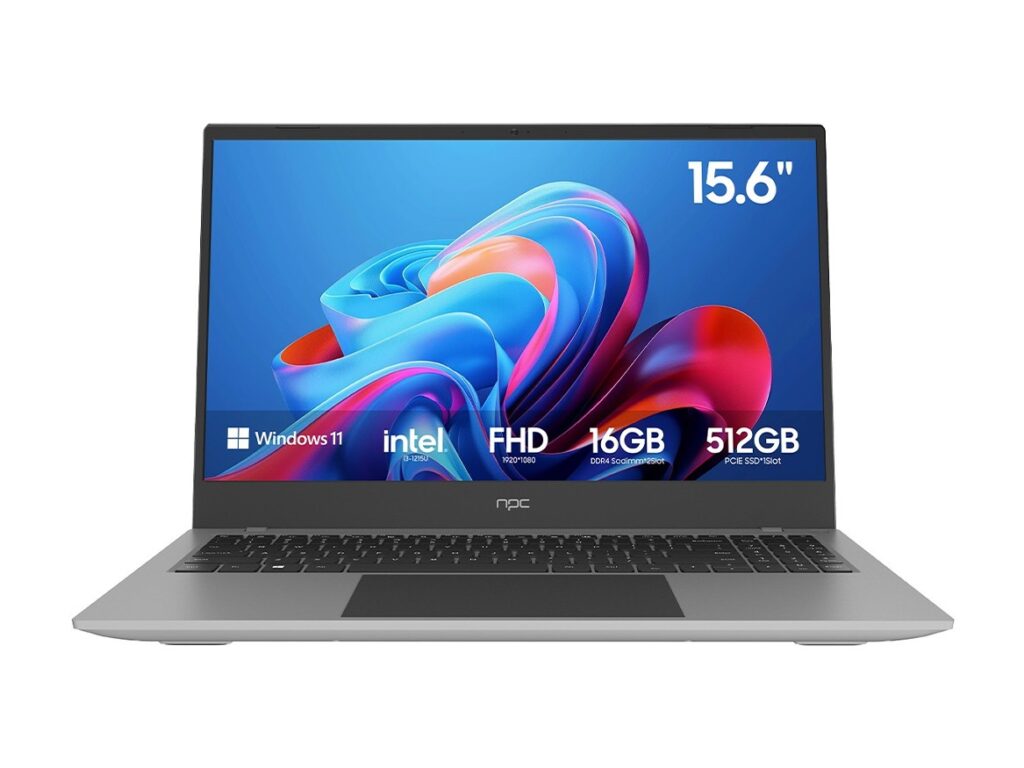
Prioritize a quality display for fewer eye-strain breaks, a decent SSD for quick boot and app response, and a serviceable webcam/microphone if you work with people remotely. A simple port mix saves adapters. These features reduce friction every workday—no flashy specs required.
Where all-in-ones make the biggest difference
Small desks, tight budgets for peripherals, and roles that need moderate performance—office admin, teachers, frontline healthcare staff—get the most value from an all-in-one. They cut setup time and keep clutter minimal so you focus on work, not cables.
Experience, expertise, and a verifiable anchor
From installing workspace kits for municipal offices to reviewing conference demos, I trust hands-on testing over hype. At CES in Las Vegas I watched manufacturers demo classroom and clinic-ready models and noted how many vendors focused on integrated connectivity; those demos featured practical all in one system computer designs that prioritize durability and serviceability. That direct observation aligns with published trade coverage and product teardown reports, so the patterns I recommend are grounded in verifiable industry practice.
How to choose: clear selection criteria
Decide minimum acceptable screen size and resolution, pick processor and RAM to match your software (light apps = modest specs; editing or data work = stronger CPU and 16GB+ RAM), confirm SSD storage and easy upgrade paths, and check warranty/service terms. If noise and heat matter, read user reports about cooling and fan behavior.
Common mistakes people make
Buying on brand alone, ignoring upgradeability, and overstating future needs. Don’t pay for a top-tier CPU if you only browse and write. Don’t assume ports won’t matter—an extra HDMI or USB-C saves hours of frustration later.
Alternatives worth weighing
Consider a compact mini-PC plus a monitor if you want modular upgrades, or a laptop with a dock if mobility matters. Those options trade simplicity for flexibility; pick the one that stops the daily friction you described at the start.
How this solves the problem and where to go next
I started solving my own workspace headaches by matching features to real tasks, not to checklists. That practical focus led me to vendors who balance service, parts, and sensible design—qualities I look for when recommending hardware from npc, because they align with the clear, problem-first decisions I teach and use myself.