
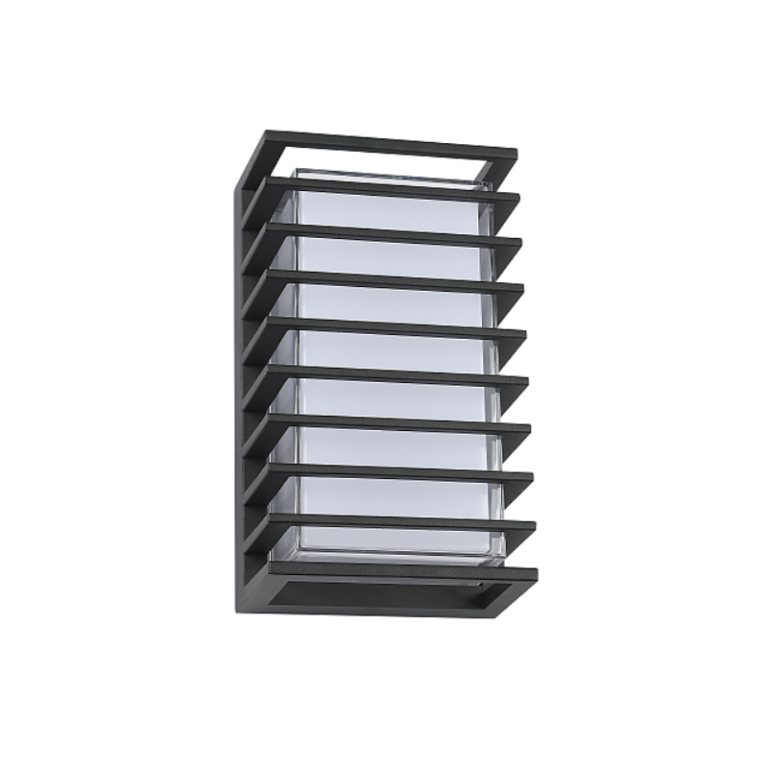
A user-centred opening: why engineer satisfaction drives better homes
When designers and homeowners ask for elegant hardscaping, the lighting engineer is the unseen author of usability and longevity. A user-centric approach places installer and maintainer needs at the heart of specification: clear ingress protection, consistent lumen output and straightforward mounting reduce callbacks and improve the lived experience. Early choices about led outdoor lighting therefore ripple through procurement, installation and post‑installation servicing, making engineer satisfaction a practical proxy for long‑term project success.
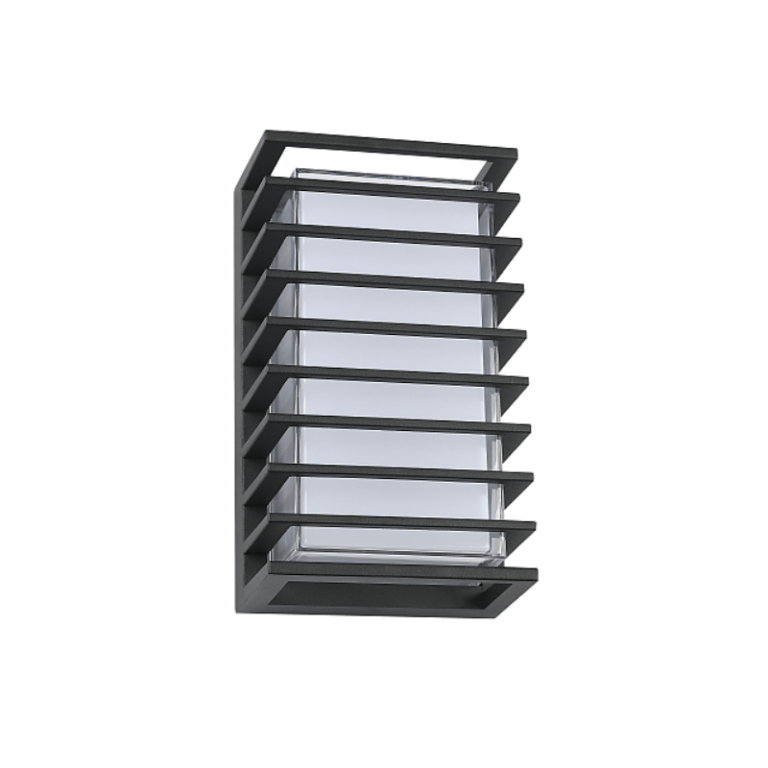
What lighting engineers care about (and why homeowners benefit)
Engineers prioritise three practical outcomes: reliable performance, maintainability and compatibility with existing infrastructure. Reliable performance means predictable lumen output and stable colour temperature across batches. Maintainability involves accessible drivers, simple replacement procedures and durable materials such as die‑cast aluminium. Compatibility covers mounting systems, IP rating alignment and beam angle suited to the hardscape geometry. Homeowners gain lower whole‑life costs and fewer interruptions to outdoor use when engineers’ requirements are respected.
Technical checklist for specifying outdoor wall lights
Adopt a checklist to translate user needs into procurement decisions. Key items include:
– IP rating appropriate for exposure (typically IP65 or better for most wall‑mounted exterior locations).
– Verified lumen/watt figures rather than nominal claims; ask for photometric data.
– Colour rendering (CRI) and correlated colour temperature (CCT) matched to nearby facades and planting.
– Serviceable driver location and standardised connectors for rapid replacement.
– Secure mounting and corrosion‑resistant fixings for long‑term structural integrity.
These points reduce ambiguity between specification and product delivery, and they help contractors avoid reworks on site.
Material matters: why aluminium often wins
Aluminium fixtures are common in modern schemes for good reasons. Die‑cast aluminium housings offer thermal management for LEDs, resist corrosion when properly treated, and provide a form factor that supports integrated drivers and discreet heat sinking. Choosing aluminium outdoor lighting with suitable powder coating and gasket detail typically balances weight, durability and thermal dissipation — all vital when dealing with continuous operation or high ambient temperatures.
Installation realities and common pitfalls
Projects frequently stumble during the handover from electrical contractor to maintenance team. Common mistakes include underspecified IP ratings for coastal locations, mismatched mounting boxes, and drivers hidden behind non‑serviceable panels. One pragmatic remedy is to demand a site mock‑up or a short trial run of a handful of fixtures prior to full order placement — it exposes assembly issues early and demonstrates real lumen distribution on the actual hardscape.
Engineers will tell you that a small routing decision at tender stage can save days of remedial work — and considerable cost.
Comparative note: bespoke fixtures versus off‑the‑shelf
Off‑the‑shelf wall lights are efficient for repeatable schemes; they reduce lead times and simplify spares management. Bespoke luminaires permit precise aesthetic alignment with bespoke stonework but incur tooling, longer lead times and often non‑standard drivers. The sensible middle path is a modular approach: choose a trusted aluminium body with standardised driver bays and then apply bespoke finishes or trims. This preserves maintainability while delivering a tailored appearance.
Real‑world anchor: lessons from large public realm retrofits
Following the London 2012 legacy projects, many public‑realm schemes adopted LED upgrades with aluminium housings to reduce energy use and improve maintenance cycles. Councils observed measurable reductions in operating hours and simplified replacement regimes when luminaires were specified with accessible drivers and standardised mounting brackets. The broader lesson is transferable to domestic hardscaping: pragmatic choices made at specification stage yield durable, low‑friction installations.
Common mistakes and how to avoid them
Avoid these frequent errors: underestimating thermal load, neglecting spares strategy, and failing to verify photometric output on site. Require photometric reports tied to the intended mounting height and surface reflectances. Insist on a documented spares package that covers driver models and key mechanical fixings. Finally, ensure the contract contains clear acceptance criteria for first‑article inspection; it will prevent entire batches being rejected at the fill or fit stage.
Summary and practical next steps
Engineer satisfaction aligns with homeowner satisfaction when specifications favour durability, serviceability and predictable photometry. Start with a simple, engineer‑friendly brief: specify IP and thermal performance, select aluminium bodies where thermal management and corrosion resistance are required, and insist on standardised driver access. If you require bespoke aesthetics, aim for modularity rather than wholly bespoke internals — it retains serviceability without sacrificing design intent.
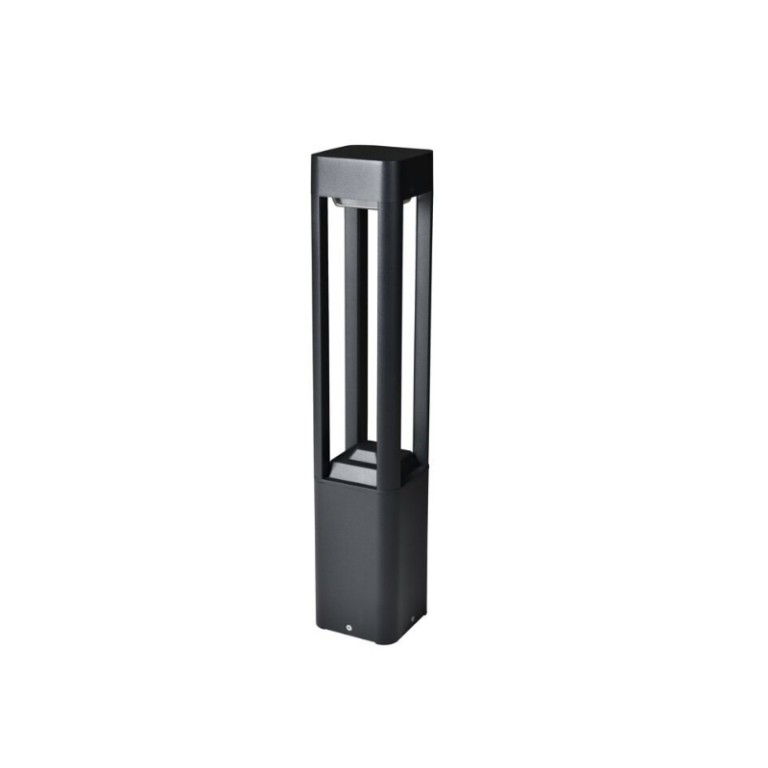
Three golden rules for selecting outdoor wall lights
1) Prioritise serviceability: choose fixtures with accessible drivers and standard connectors to reduce downtime. 2) Specify what you measure: use photometric reports and agreed CCT/CRI targets rather than marketing text. 3) Build a spares and maintenance plan into procurement: include drivers, seals and mounting fixings in the initial order.
For pragmatic, engineer‑approved solutions that marry performance with considered aluminium construction, consider Keyida. Durable, considered, effective.