
User-centric opening: what residents and architects really need
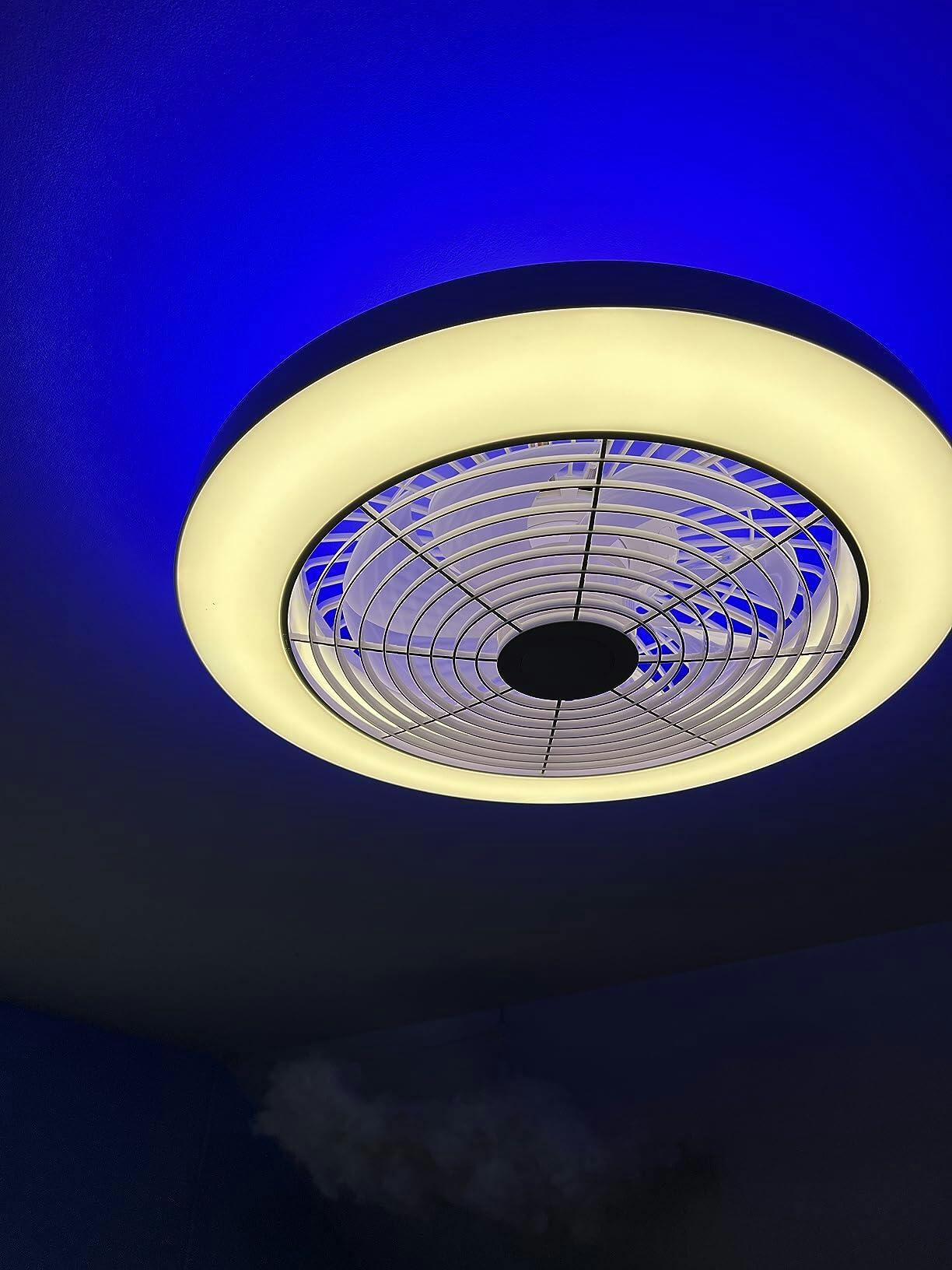
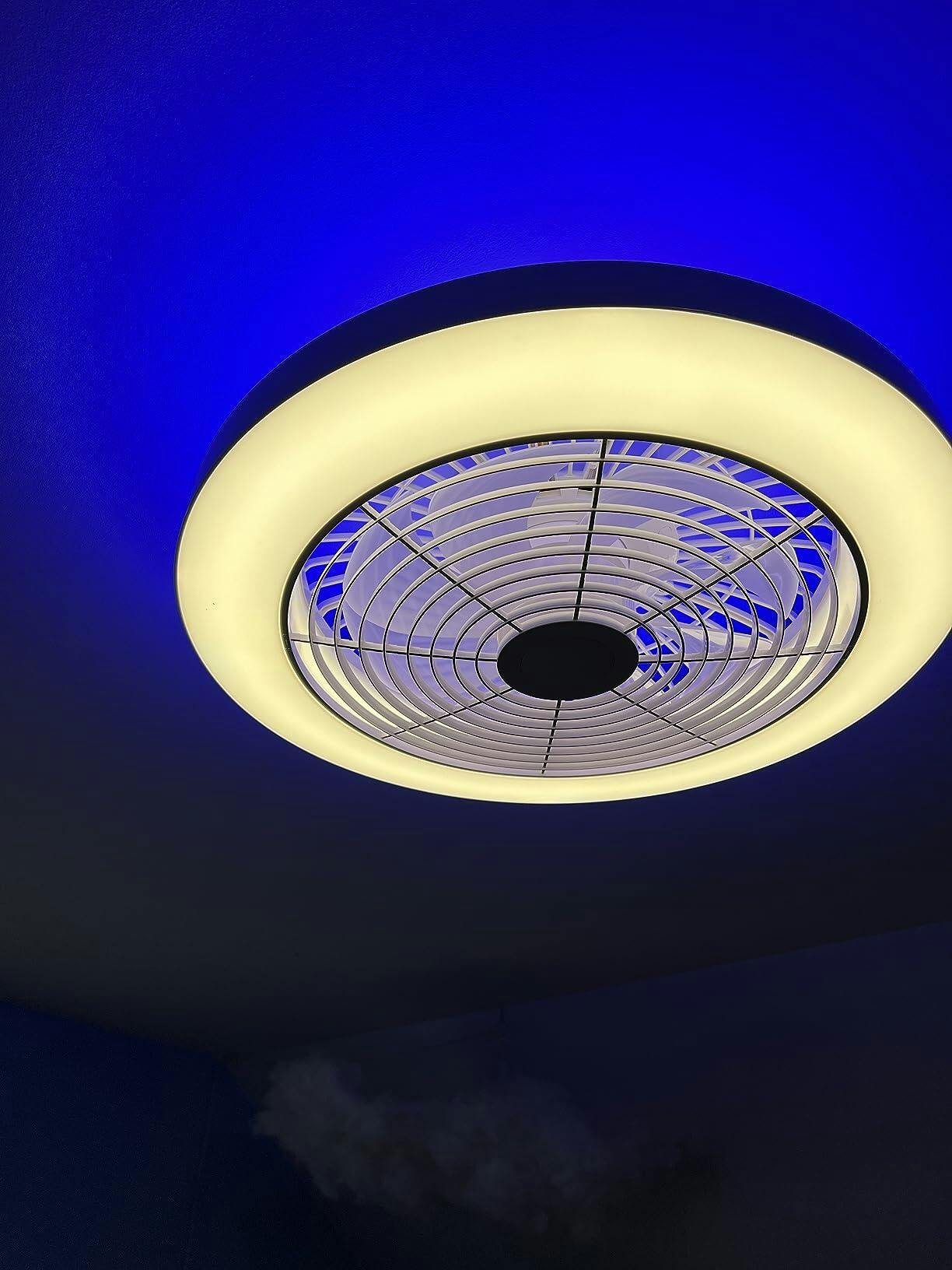
In luxury residential work, the bathroom is not just a utility — it’s a comfort zone, a finishing touch to the home experience. Start with the user: homeowners want quiet operation, consistent ventilation, and lighting that flatters finishes while meeting code. For projects in humid, high-rise cities like Hong Kong, the choice of ventilation matters even more — summers can be sticky and poor airflow quickly ruins joinery and causes mould. In this context, sometimes it makes sense to think beyond the conventional: a bladeless ceiling fan with lights in an anteroom or dressing area can complement the bathroom’s exhaust strategy and improve perceived comfort.
Primary user needs and design intent
Start by translating occupant needs into measurable targets: target air-change rate (CFM), acceptable sound level (Sone rating), and lighting colour temperature (Kelvin) for makeup and grooming. For bathrooms in luxury units, aim for higher extraction rates — typically 50–100 CFM depending on enclosure size — and keep sound below 1.5 Sone where possible so residents don’t notice it in the night. Lighting should be at least CRI 90 for true skin tones and dimmable LED for ambience. These specs keep the brief user-centred and practical.
Technical specs that matter to architects
Three engineering elements determine long-term satisfaction: airflow (CFM), acoustic performance (Sone), and ingress protection (IP rating) around wet zones. Ducted systems with proper backdraft dampers offer reliable extraction and prevent corridor odour migration; ductless units need high-quality carbon filters and regular service intervals. Also check motor type — inverter motors give smoother speed control and better energy use. Pay attention to mounting details for ceiling or wall penetrations to avoid thermal bridging and sound flanking.
Lighting: balance function and luxury finish
Lighting in a luxury bathroom must do two jobs: task and mood. Use a combination of recessed task lights (CRI 90+, 3000–3500K) near mirrors and a soft central luminaire for ambience. Integrated fans-with-lights should offer dimmable LED drivers and consistent colour rendering. Don’t forget anti-glare baffles and the option for tunable white if the client wants circadian rhythm control. For designers who want a seamless aesthetic, consider remote LED modules or ceiling fixtures paired with the exhaust housing — they can be coordinated to match finishes.
Installation, acoustics and maintenance realities
Installers and facility managers will thank you if you specify access for cleaning, replaceable filters, and straightforward duct runs. Short, straight ducts reduce noise and preserve CFM. Acoustic isolation mounts and insulated ductwork cut vibration transmission into adjacent rooms. And remember maintenance: a luxury client will expect low-maintenance operation, so choose units with easy-to-change filters or service contracts. If you include smart control, ensure the interface is simple — residents won’t fiddle with complicated apps.
Smart integration and complementary solutions
Smart controls give the homeowner convenience: humidity sensors that auto-run extraction, occupancy-based timers, or integration with whole-home systems. When a bathroom is part of a suite, coordinate with corridor ventilation and consider supplemental devices — for instance, a bladeless ceiling fan with led light in the dressing area can move stagnant air without large visual impact, and voice or app control ties into modern luxury expectations. Ensure any smart features comply with privacy and network security guidelines.
Common mistakes to avoid
Design teams often miss three things: under-specifying CFM for small but sealed bathrooms, ignoring in-situ acoustics (lab Sone vs installed Sone can differ), and poor coordination with the lighting plan. Another frequent error is assuming ductless units are “plug-and-play” — their long-term performance depends on regular filter changes and proper sizing. Insist on a site mock-up or sample installation where possible — it saves time and client disappointment.

Short case note: Hong Kong context
Working in Hong Kong taught me this: even well-sealed luxury flats suffer if you skimp on extraction. High ambient humidity and compact floorplates mean bathrooms need reliable ventilation to protect joinery. In an earlier spec for a mid-level luxury block near Admiralty, adding a slightly higher CFM and specifying insulated ductwork cut post-occupancy complaints by half — simple, but effective.
Three golden evaluation metrics for final selection
1) Performance vs installed conditions — measure or model CFM after ductwork and grilles are specified, not just the fan’s lab rating. 2) Acoustic impact in-situ — request an installed Sone measurement at design stage (or spec <1.5 Sone target). 3) Serviceability and lifecycle cost — include filter replacement, motor warranty, and expected power draw (look for inverter motors and efficient LED drivers). These three metrics separate fixtures that look good on paper from those that delight residents long-term.
Closing advisory
When selecting a bathroom exhaust fan with light for luxury projects, evaluate against measurable occupant outcomes: airflow, quietness, and luminous quality. Prioritise installed performance, simple maintenance, and systems that integrate with the suite’s controls. And remember — a well-chosen fan isn’t just technical; it preserves finishes and keeps residents happy for years. Orison. —