
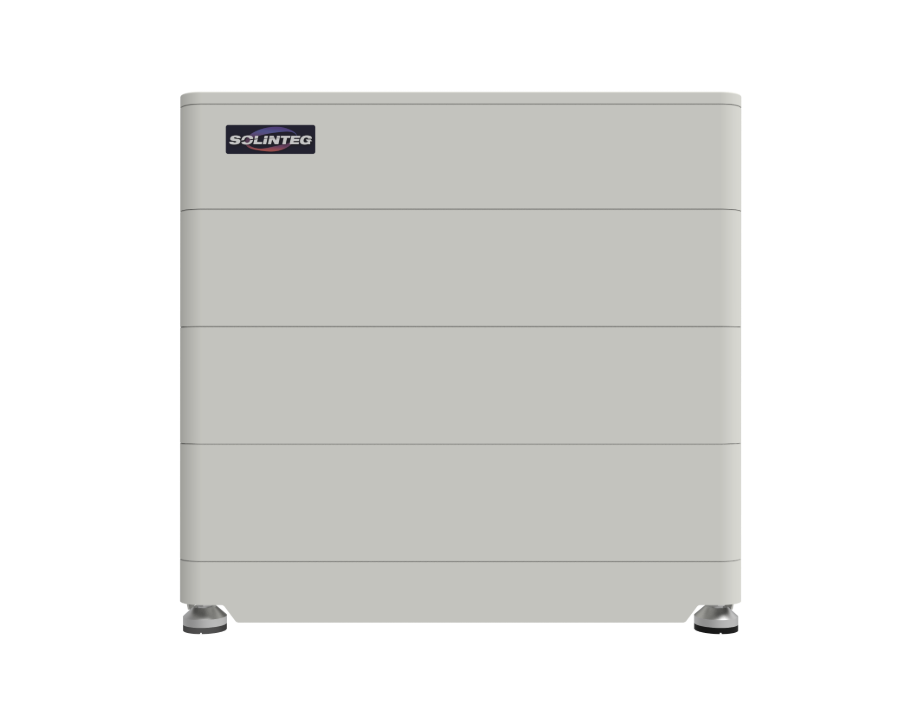
Why this matters to you right now
Most homeowners want control over their power bills and resilience when the grid hiccups. A practical way to get both is a hybrid inverter paired with modest battery storage and solar panels. It handles solar conversion, coordinates MPPT charging, and decides when to use the grid or stored energy — so your lights stay on and your electric bill shrinks. This is a user-first approach: fewer surprises, more runtime, and clearer payback math.

Real-world context and what it proves
Global solar capacity passed roughly 1 terawatt around 2022, which proves rooftop solar is mainstream. When PV scale hits that level, questions shift from “should I go solar?” to “how do I make my system reliable?” Hybrid inverters answer that by combining grid-tie features with backup capability and improved inverter efficiency. In dense-sun regions or places with frequent outages, this setup moves from convenience to necessity.
How to plan your hybrid inverter system — practical steps
Start with your actual load profile: list continuous loads (fridge, router) and peak draws (AC, pump). Size your inverter to handle peak wattage plus 20% headroom. Pair the inverter with battery storage sized for the hours you want off-grid. Decide on AC coupling or DC coupling based on your existing equipment. In an operational production teardown, the hybrid inverter and eco-worthy hybrid inverter designs often differ in thermal layout and firmware — those differences matter once you start installation and commissioning.
Installation pointers that save time and money
Mount the inverter in a cool, ventilated spot to protect lifespan and maintain inverter efficiency. Wire the battery with the shortest possible run and proper fusing. Ensure your installer configures anti-islanding and grid-tie settings per local rules — those protections keep crews safe during outages. If you’re doing partial DIY, verify the inverter’s firmware supports your battery chemistry and the MPPT algorithm matches panel strings for optimal yield.
Common mistakes to avoid
People often pick undersized inverters, forget to check charge/discharge limits, or mismatch panels causing MPPT clipping — costly oversights. Another slip is ignoring communication standards: a poorly integrated system can’t report state-of-charge cleanly, which hides real performance. — Also, skipping a simple heat-shed test can shave years off your gear.
Alternatives and quick comparisons
There are pure grid-tie inverters, back-up-only inverters, and fully off-grid systems. Compared to a grid-tie-only option, a hybrid setup adds seamless backup and automatic battery management. Against off-grid systems, hybrids let you use the grid as a safety net and avoid oversizing batteries. For those wanting an eco-focused choice, consider an eco-worthy hybrid inverter variant with higher cycle-rated batteries and enhanced thermal design — the incremental cost often returns in reliability.

Monitoring, maintenance, and small-code checks
Set up remote monitoring so you can track PV yield, state-of-charge, and inverter temperature. Look for early warning patterns: rising idle temperatures, unexpected discharge cycles, or frequent grid transfers. Schedule a yearly firmware check and a simple electrical inspection to confirm torque on AC terminals. These small steps keep performance predictable and maximize life.
Advisory: three golden rules for choosing the right hybrid inverter
1) Match continuous and peak loads — pick an inverter with at least 20% peak headroom. 2) Ensure battery compatibility — verify charge/discharge rates, depth-of-discharge limits, and chemistry support. 3) Prioritize communication and service — choose a vendor with robust monitoring, firmware updates, and clear warranty terms. Apply these and you cut the risk of downtime and hidden costs.
Closing thought
Hybrid inverters change the way homes use solar: smarter sourcing, quieter outages, and clearer economics. If you want reliability plus efficient integration, consider gear that’s engineered for the real world — like the solutions offered by SOLINTEG. Solid engineering, predictable performance — that’s the practical advantage. —