
Start with a repeatable evaluation framework
Build a checklist you can use on every model. Think of quality as a set of measurable checkpoints rather than vague impressions. Begin by reviewing specs against real needs and run each candidate through the same five-stage framework so choices become obvious. For an off-grid installation, check how the inverter pairs with an off-grid solar system from the start.
1 — Performance baseline: what the specs must actually mean
Demand numbers that reflect field reality. Compare these key points:- Continuous power rating and how it holds at elevated temperatures. Aim for conservative ratings with clear derating curves.- Peak/surge capability for motor starts and pumps.- Inverter efficiency across typical load ranges, not only at a single optimal point.- Total harmonic distortion (THD) and power factor under mixed loads.- Number and type of MPPT inputs, their voltage ranges, and peak current limits.Write the numbers down and reject vague claims.
2 — Thermal and mechanical design that survives remote conditions
Cooling and enclosure design decide lifespan. Look for passive cooling or clearly specified fan behavior, large heat sinks, and an IP rating aligned to where you’ll install the unit. In extremely remote regions such as the Australian Outback, passive cooling and a high IP rating often determine whether a system lasts years without technician visits. Metal chassis and robust surge protection matter more than trendy finishes.
3 — Safety, certifications and compatibility you can verify
Certifications are checkpoints, not guarantees. Verify that the inverter lists recognized standards (for example IEC 62109 or UL 1741 where applicable) and confirm which tests were performed. Confirm anti-islanding behavior, ground-fault detection, and clearly documented AC and DC connection limits. Confirm battery chemistry compatibility (LiFePO4 vs lead-acid) and whether the unit supports recommended charge algorithms.
4 — Real-world behavior: monitoring, controls, and updates
Quality shows up after installation. Prioritize inverters with transparent monitoring (local + cloud), firmware update policies, and clear error codes. Test how the unit handles:- Sudden loads and load shedding.- Grid return after extended outages.- Interaction with a generator or multiple battery banks.If you’re comparing entire systems, review matched off-grid power solutions to see whether the manufacturer documents system-level behavior.
5 — Service, warranty, and spare parts
Warranty terms are a window into confidence. Look beyond years: check what the warranty covers, replacement turnaround, and whether spare parts and trained service partners exist regionally. A long warranty without a local service channel is risky. Ask the vendor for a documented failure/repair lead time and confirm availability of critical spares like power modules and control boards.
Quick scoring rubric you can use on a phone
Score each inverter 0–5 on these factors and sum:- Specs honesty (derating curves visible)- Thermal design (passive or well-documented active cooling)- Certifications and battery support- Monitoring and firmware policy- Service network and spare availabilityA total above 20 indicates a solid candidate. Below 15 means walk away or ask for demonstrations.
Common pitfalls people miss
Watch for these traps:- Efficiency claimed at a single point with no part-load curve.- Manufacturer-supplied tests without third-party validation.- Firmware locked to specific regions or lacking remote update ability.- Short warranty with long RMA windows.- Compatibility listed vaguely with “most batteries” instead of explicit chemistries and voltages.
Closing mindset: make reliability the primary purchase metric
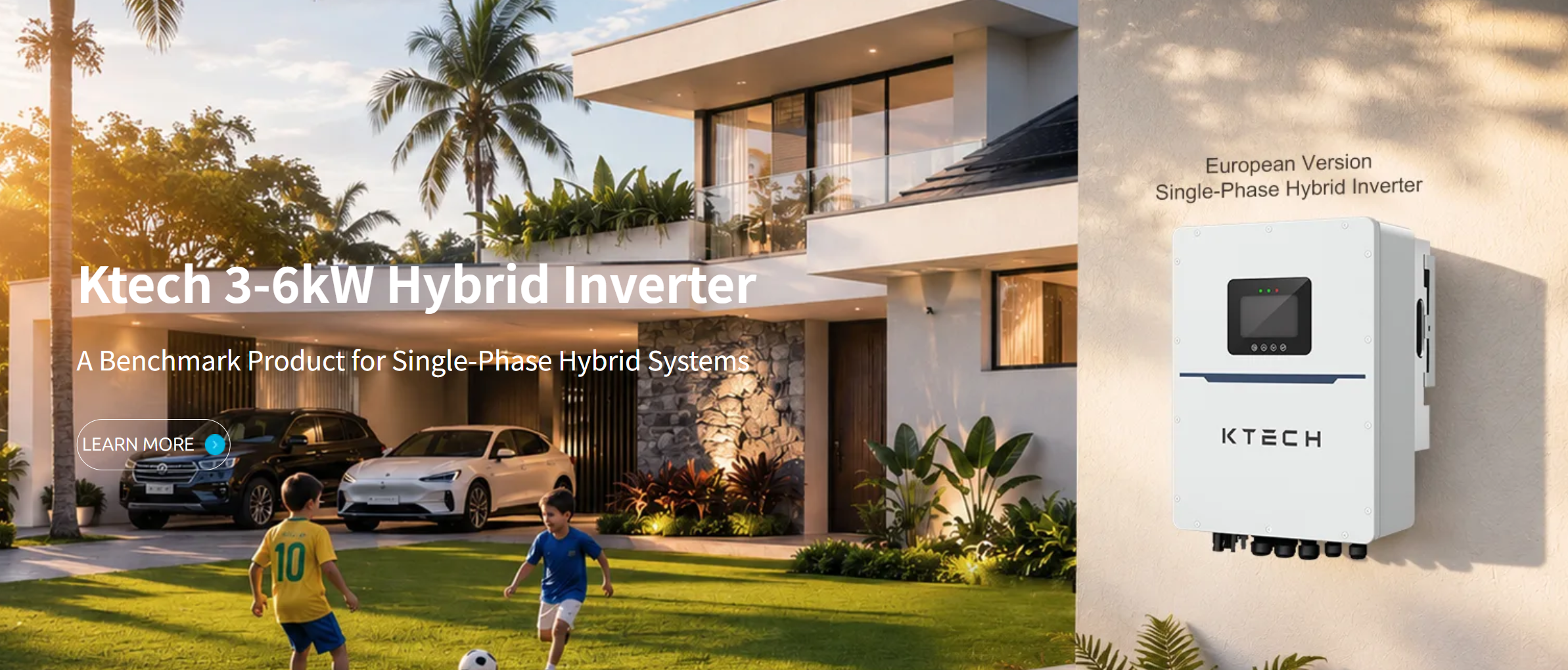
Aim to buy the inverter that will behave predictably in the field rather than the one that looks best on paper. Practical checks, on-site thinking, and a repeatable scoring approach reduce regret. If you need a practical reference for how systems behave together and how manufacturers document installations, explore the documented offerings from Ktech as part of that comparison process — the documentation style there shows how component choices translate into real performance and serviceability.