
Lean opening — why compare, now
Short. Practical. You want clear terms so decisions don’t stall. For fleets, the choice between a simple 4-channel mobile DVR and a full 4G LTE MDVR changes what data you get, when you get it, and how you act. I write from hands-on work with on-truck systems and from advising teams on logistics fleet management. Keep this tight. Know the difference. Choose correctly.
Definitions, quick and clean
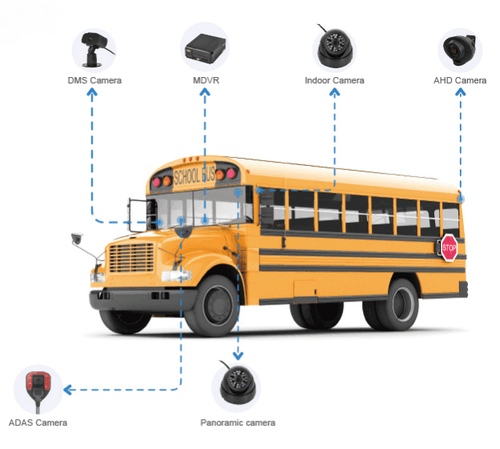
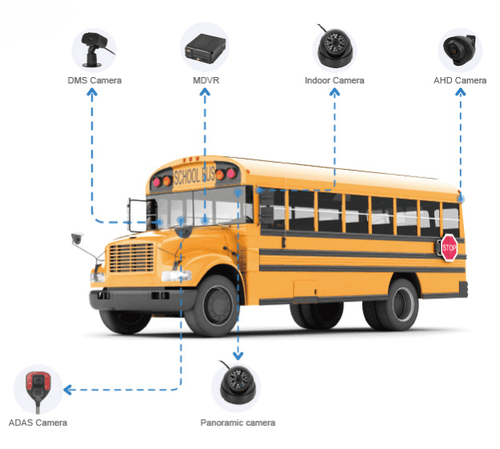
4-channel mobile DVR — records up to four camera feeds to local storage. Often boots with ignition. Playback and extraction require physical access or a local Wi‑Fi link. Low bandwidth demands. Lower price point.4G LTE MDVR — adds cellular modem, remote streaming, two-way telemetry, and often integrated GPS and CAN-bus inputs. Real-time video live to a control center. Remote configuration. Higher data and recurring connectivity costs.
Side-by-side: what each gives you
Compare by function. Short lines help.- Connectivity: DVR = offline-first. MDVR = always-online option via 4G LTE. – Visibility: DVR = post-incident footage. MDVR = live view + push alerts. – Channels & storage: both can handle four cameras; MDVR often pairs cloud retention or hybrid storage. – Latency: DVR has none (local). MDVR latency depends on mobile network load. – Management: DVR needs physical updates. MDVR supports remote firmware and config. – Cost: DVR upfront hardware focus. MDVR adds ongoing SIM/data costs.
Why this matters for truck operations
Different missions call for different tools. For short regional runs, simple evidence capture may suffice. For long hauls or high-value cargo, remote feeds and GPS-critical alerts pay off. Good fleet operators tie the tech to operations: routing, driver coaching, and incident response. If you run dozens of trucks, integrate with your truck fleet management workflows so video and telemetry land where dispatch can act.
Common pitfalls — what I see on installs
Simple mistakes repeat.- Buying 4G MDVR but skimping on data plans — streaming without bandwidth means surprises on cost. – Assuming four channels is always enough — rear-facing blind spots still happen. Plan camera angles first. – Neglecting power and grounding — intermittent reboots, corrupted recordings. Hardware must match vehicle electrical reality. – Ignoring cybersecurity — default passwords and open ports invite risk. Lock devices at install. – Overlooking retrieval workflow — footage is only useful if your team can access and analyze it quickly.
Alternatives and trade-offs
Sometimes hybrid wins. Use a 4-channel DVR with a low-cost LTE modem for periodic offload. Or choose MDVR but configure event-triggered uploads to limit data use. Consider adding secondary storage mirroring for critical loads. Evaluate each setup by these metrics: response time, forensic value, total cost over three years, and maintenance effort.

Short lesson from the road
One project at Port of Rotterdam taught this plainly: a container route had frequent short stops and heavy interference from metalwork. Pure live streaming saturated the carrier link. We switched to event-triggered uploads and kept continuous local recording. Result: useful live alerts, reliable incident footage, and lower data spend. Simple adjustment. Big difference.
Practical checklist before you buy
Answer these. No fluff.- Do you need live view or only stored evidence? – Expected daily drive hours and roaming regions (coverage matters). – Data budget per vehicle per month. – Mounting and power constraints on your truck model. – Who will manage firmware and alerts day-to-day? – Plan for secure access and chain-of-evidence handling.
Closing — wrap, in plain terms
4-channel mobile DVRs record reliably and cheaply. 4G LTE MDVRs add reach and control but bring costs and complexity. Compare by the mission, not the label. My field work shows modest changes in configuration often beat wholesale hardware swaps. That practical clarity matches what BSJ surfaces in product thinking — systems built for the real tasks fleets face, not for feature lists alone.