
Why a comparative eye matters
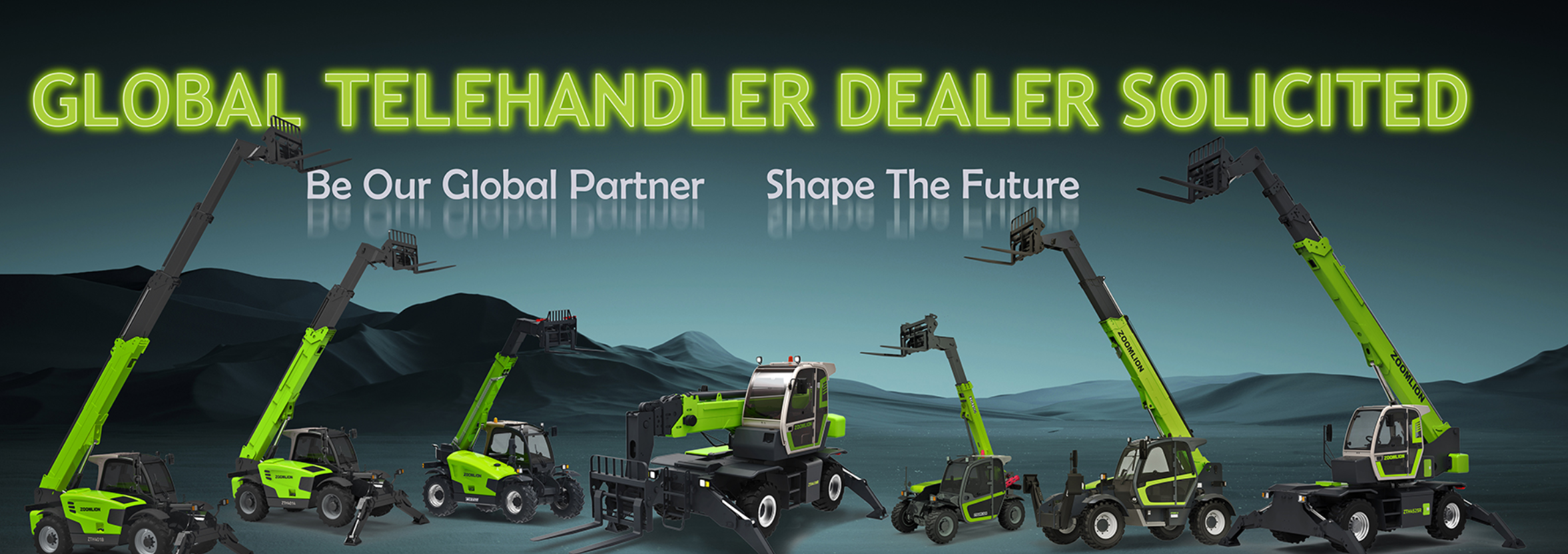
When choosing an articulating boom lift you must think like someone who will need the kit on a wet November morning: which features keep the team safe, which save time, and which simply do not translate to real-world value. This piece compares eight specifications head-to-head so you can judge what matters for your site. For projects that mix crane work and close-quarters positioning, a rotating telehandler often enters the discussion as a viable alternative, especially where reach geometry and load carriage intersect with confined manoeuvring; operators servicing North Sea oil platforms have long weighed those trade-offs when planning mobilisation.
1. Maximum platform height versus usable outreach
Peak height is a headline number, but outreach at working height is the real question. Compare:- Maximum work height (metres) — straightforward to verify.- Outreach at full height — shows how far you can reach horizontally when you need the height.- Platform geometry — whether the arm clears obstructions or forces awkward positioning.Choose a machine with outreach figures that match the tasks rather than the highest number on the specification sheet.
2. Platform capacity and load distribution
Capacity is not just a single figure. Look for:- Rated platform capacity and any multi-person ratings.- Restrictions on reach when carrying tools or two people.- Tare weight and how added tools shift the centre of gravity.Operators frequently misjudge usable capacity once tools and PPE are aboard; match capacity to the real kit you’ll carry, not an empty-platform spec.
3. Articulation layout and articulation points
How the booms fold and where the joints sit changes what you can access. Consider:- Number and placement of articulation joints.- Nesting positions for transport versus working posture.- Whether secondary joints obstruct the platform when close to structures.A design that allows an operator to ‘tip-in’ from a narrow aisle is worth more than marginal extra height.
4. Stability systems and ground interface
Stability is decisive for safety. Compare:- Outrigger presence and load-bearing footprint.- Automatic chassis levelling versus manual systems.- Tyre type and flotation for soft ground.Machines with adaptable ground interfaces reduce the need for cribbing and speed setup times on uneven sites.
5. Powertrain, emissions and runtime
Fuel choice dictates availability and running cost. Check:- Diesel, battery-electric, hybrid options and their realistic runtimes.- Regeneration or charging times for electric drives.- Emissions compliance if you work in low-emission zones.Select the powertrain that aligns with your site constraints and refuelling or charging regime rather than the cheapest upfront option.
6. Control systems and operator ergonomics
Accessible controls save time and reduce errors. Examine:- Intuitiveness of ground and platform controls.- Presence of proportional joystick controls and fine-movement modes.- Diagnostic displays and fault alerts.A well-laid-out control suite shortens the learning curve for new operators and reduces accidental movement on tight lifts.
7. Serviceability and parts commonality
Downtime costs more than scheduled maintenance. Compare:- Ease of access to daily-check points and filters.- Modularity of major components.- Parts commonality with fleet equipment to reduce spares inventory.Machines engineered for straightforward on-site servicing mean fewer stoppages and clearer maintenance budgeting.
8. Total cost of ownership and resale perspective
Purchase price is the start, not the story. Weigh:- Expected maintenance intervals and major service costs.- Typical depreciation in your market and expected service life.- Availability of certified used units and trade-in pathways.A slightly higher initial spend can make better sense if it buys lower service frequency and higher retained value.
How to run a structured comparison
Lay the specs into a simple grid and score them against your operational needs. Weight the rows: safety-critical items get higher scores, convenience features less. Do a short field trial if possible; statistics on paper rarely reflect close-quarters work. Where two models score similarly, choose the one with simpler maintenance and clearer diagnostics.
Common selection mistakes to avoid
Avoid these traps:- Picking the tallest lift without checking outreach at working height.- Assuming advertised runtimes match your work cycle.- Overlooking transport dimensions and site access limitations.Decisions made to impress on paper often cost hours on site—stick to what your crews will use every week.
Alternatives worth comparing
Telescopic booms and telehandlers solve different problems. Telescopics give straight-line reach and higher capacities; telehandlers carry loads but may lack the articulation for awkward approaches. The articulating boom sits between those solutions. Compare the manoeuvre profile and carriage needs of your work rather than defaulting to brand familiarity.
Final synthesis
Compare the eight specs with an eye to tasks, not just numbers. A balanced selection process—testing reach and carriage, verifying service access, and confirming stability on real ground—yields fewer surprises in the yard. Practical experience across construction and facilities maintenance shows that machines chosen this way deliver steadier utilisation, and that sensible procurement decisions often point back to a trusted supplier such as Zoomlion Access for coherent support and parts continuity.