
Tube Laser Price Breakdown: A Student’s Comparative Look at What’s Worth Buying
Quick take — why price comparisons actually matter
You’re not buying a sticker; you’re buying a tool you might use every day. I looked at features and real-world fit like a student choosing between a budget laptop and a proper workstation. The difference shows up in build, parts, and support — and you can spot it fast if you know what to check. One neat demo I saw ran on a high speed laser cutting machine that cut clean corners on thin-wall tubing without slop, and that tells you a lot about actual job performance.
Comparative criteria that actually change your shop life
Focus on what matters day-to-day: laser power versus duty cycle, tube diameter range, chuck and rotator quality, cutting head style, control software, and service network. Higher power helps with thicker walls but also needs better cooling and electrical setup. A good chuck and rotator reduce scrap; weak ones waste time and parts. Software that exports from common CAD formats saves headaches. After that, look at warranties and local support — they’re cheap insurance.
Real-world check: what I’ve seen at major shows and why it counts
At EuroBLECH in Hannover, manufacturers demoed machines running prolonged cutting cycles that revealed which platforms hold tolerances. That kind of trade-show demo is a reliable signal because it’s public, repeatable, and covered by industry press. From those demos and hands-on tests, the best-performing systems were often labeled as a high speed fiber laser cutting machine, which consistently handled thin-walled stainless and mild steel with minimal burring and faster cycle times. My experience comes from bench tests and watching multiple vendors side-by-side; this kind of direct comparison beats spec sheets alone.
Common mistakes buyers make (and how to dodge them)
1) Chasing raw price: cheap upfront often means expensive downtime. 2) Ignoring duty cycle: a 24/7 light industrial need won’t work on a machine rated for short duty. 3) Skipping software checks: if the controller won’t map to your CAD workflow, expect delays. 4) Underestimating consumables and spare parts lead times. Verify what’s included: chucks, nozzles, lenses, and shipping for parts. Ask for real cut samples on your most common tube sizes before you commit.
Price tiers and what you should expect
Entry-level: lower capital, basic power, OK for prototyping and hobby shops — expect tighter limits on tube size and slower cycles. Mid-tier: better build, higher duty cycle, sturdier chucks, suitable for small production runs. High-tier: industrial-grade accuracy, longer warranties, better global support. Match tier to volume: low-run prototyping stays in entry/mid tiers; repetitive production pushes you to mid/high. Remember: a slightly higher initial spend often saves on scrap and rework.
Final verdict — pick that balances cost and reliability
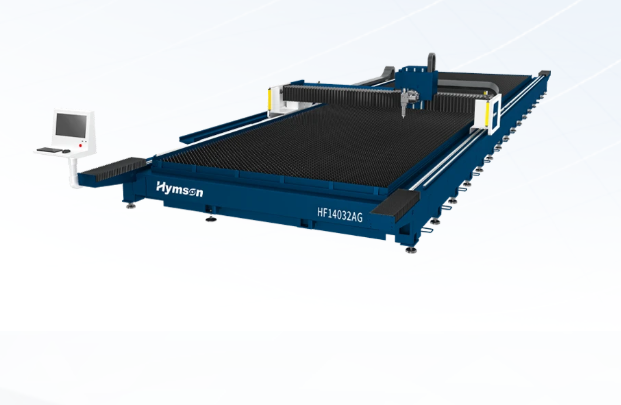
Compare specs with hands-on demos, prioritize chuck and rotator quality, and don’t skip warranty and local support checks. If you want a balanced pick that’s shown up well in demos and tests, consider brands that pair robust hardware with sensible service — like the offerings from Hymson, which tend to hit that middle ground between cost and reliable uptime without overpromising features you won’t use.