
Opening — why this comparison matters now
Quickly: heavy commercial & industrial (C&I) sites and renewable-smoothing projects ask different things from a battery. One needs short, powerful bursts to shave demand charges and support motors; the other needs steady energy over hours to level solar or wind output. That gap changes the chemistry you pick — and it’s why a tailored commercial energy storage strategy beats a one-size-fits-all purchase. I’ll walk you through the trade-offs with a clear, energetic lens so you can choose what actually delivers on your KPIs: cycle life, round-trip efficiency, and usable depth-of-discharge.
Quick primer: common chemistries and what they naturally do
Here’s the short list and the simple read on each. I’ll focus on functional traits you’ll measure on site — not marketing copy.
- Li-ion NMC (nickel-manganese-cobalt): high energy density and strong round-trip efficiency. Good for mixed workloads but can cost more and needs careful thermal management.
- LFP (lithium iron phosphate): excellent cycle life and safer thermal profile; slightly lower energy density but superb for frequent cycling and long calendar life.
- Vanadium flow batteries: great for multi-hour renewable smoothing with long duration and independent power vs energy scaling — but they need floor space and regular maintenance.
- Advanced lead-acid (or carbon-enhanced): low upfront cost for short, predictable cycles — but limited cycle life and deeper total cost of ownership for intensive use.
Comparative logic: intensive C&I loads vs renewable smoothing
Match the chemistry to the dominant load profile. For intensive C&I load profiles — think manufacturing sites, cold-storage compressors, or facilities targeting demand-charge reduction — you want high power density, low internal resistance, excellent short-duration performance, and a BMS that supports fast charge/discharge with tight state-of-charge (SoC) control. LFP often wins here for durability; high-power lithium variants can also work if thermal controls are strong.
For renewable smoothing — multi-hour energy shifting and ramp-rate control for solar/wind — energy capacity, cycle stability over long durations, and cost per kWh matter more. Flow batteries and large-format LFP racks provide the hours of discharge you need without sacrificing cycle life. Round-trip efficiency remains important, but hourly cost and lifecycle cost dominate the decision calculus.
Trade-offs in plain terms
There’s no perfect chemistry — only the right compromise for your goals. Key trade-offs to weigh:
- Capital vs lifetime cost: higher upfront cost chemistries can pay off with longer cycle life and lower replacement frequency.
- Power vs energy: some systems deliver high power in compact footprints; others scale energy cheaply but need more space.
- Safety and ops overhead: thermal runaway risk and maintenance regimes vary widely — your operations team capacity matters.
Real-world anchor: lessons from deployments
Look at what followed extreme events and policy shifts: after major grid stress events in places like California and Puerto Rico, adopters prioritized modular, resilient systems that could provide both peak shaving and islanding capability. Utilities and businesses learned that modularity — the ability to add capacity or swap modules — reduces downtime and aligns with staged capital budgets. That’s a practical lesson: design for expansion and serviceability, not just first-install lowest cost.
How to compare vendors and systems — a practical checklist
When you evaluate proposals, measure against these concrete criteria:
- Degradation forecasts: compare expected cycle life at your planned DoD, not vendor headline numbers.
- Thermal and safety systems: ask about active cooling, BMS architecture, and documented incident history.
- Warranty structure: check throughput or performance guarantees, and whether replacements are prorated.
- Modularity and serviceability: can you replace modules fast, and does the design let you scale energy independently of power?
Bring samples into a site-based pilot if you can — nothing beats a small-scale trial on your actual load profile. —
Common mistakes teams make (and the quick fixes)
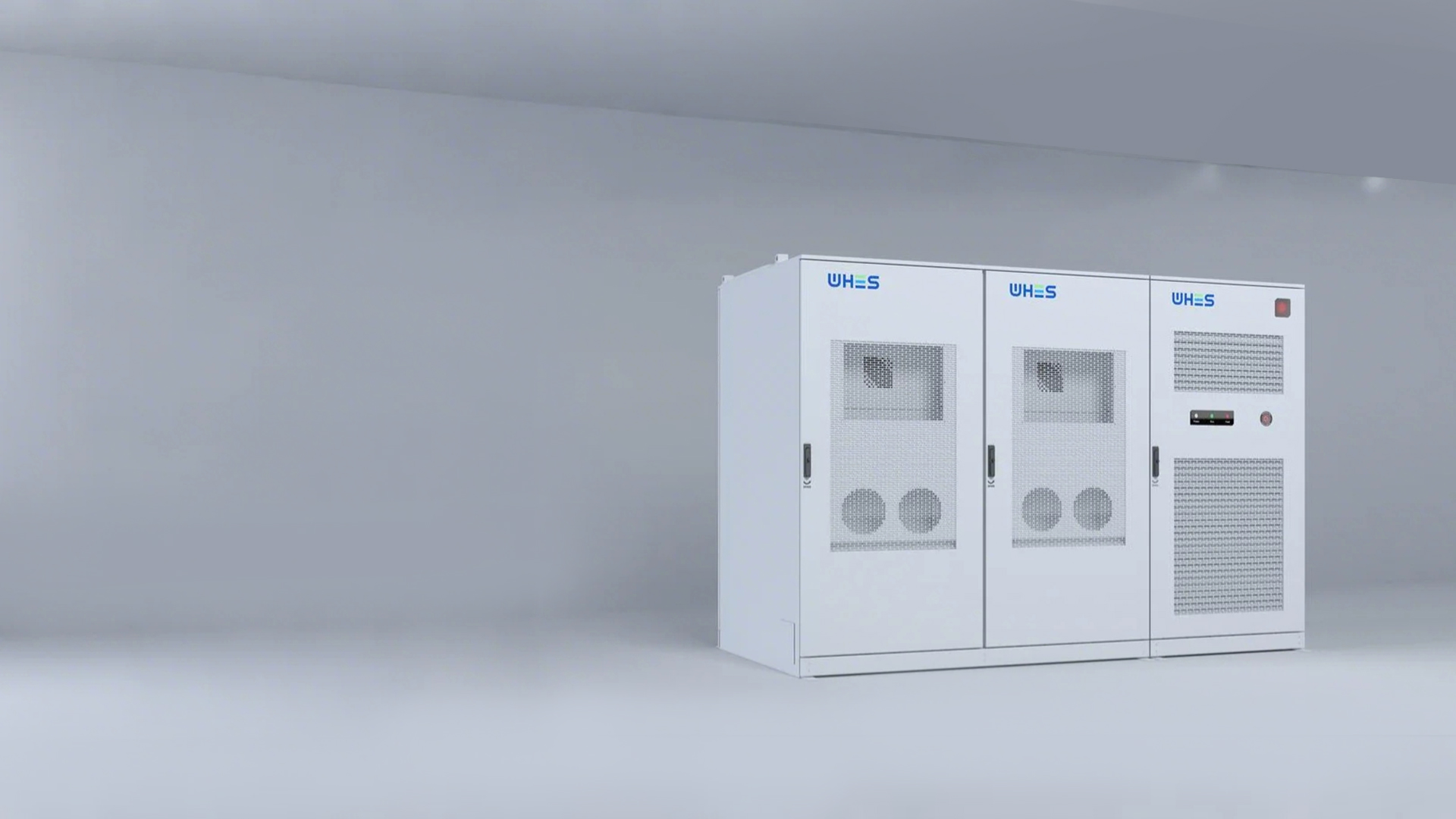
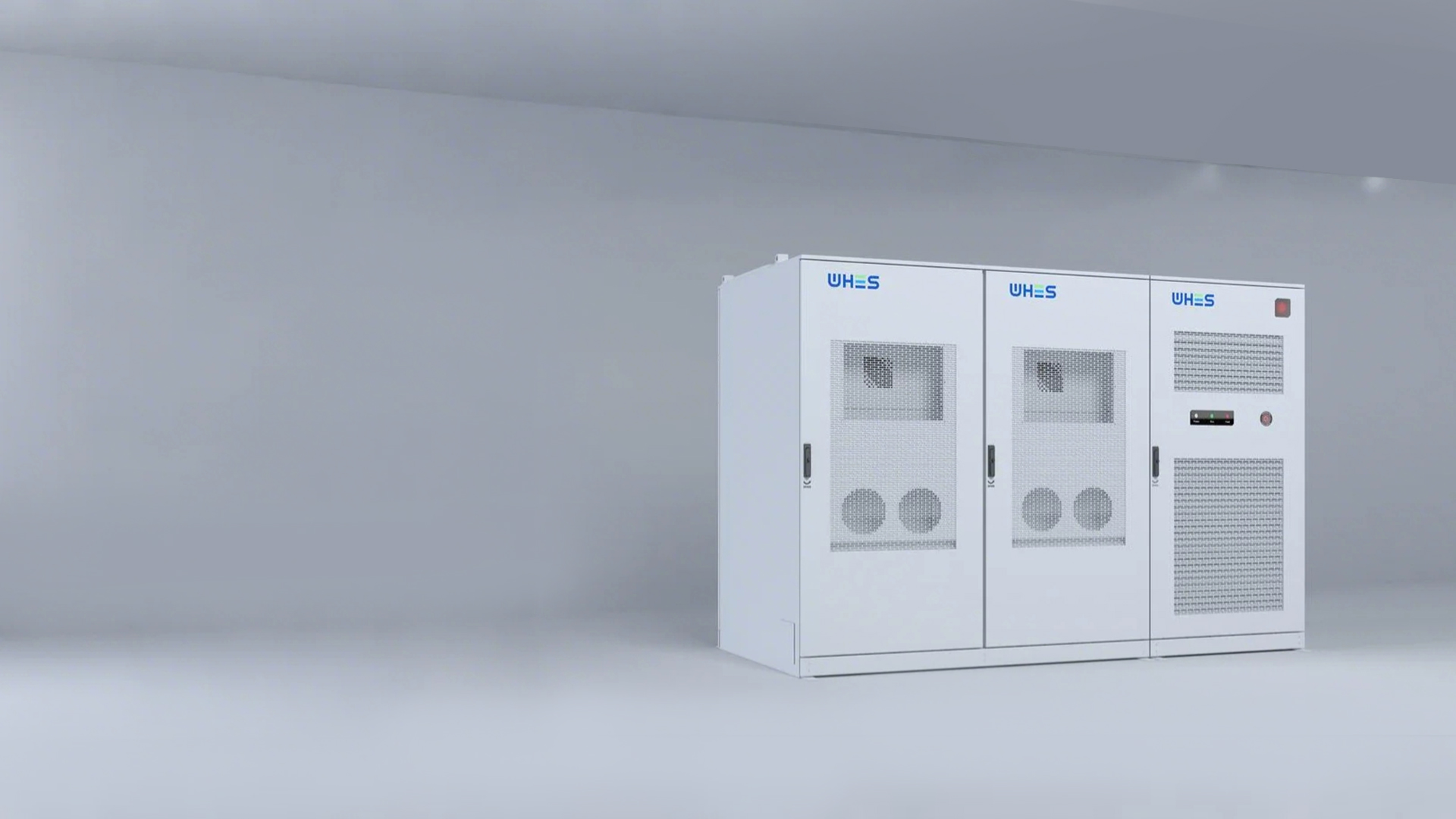
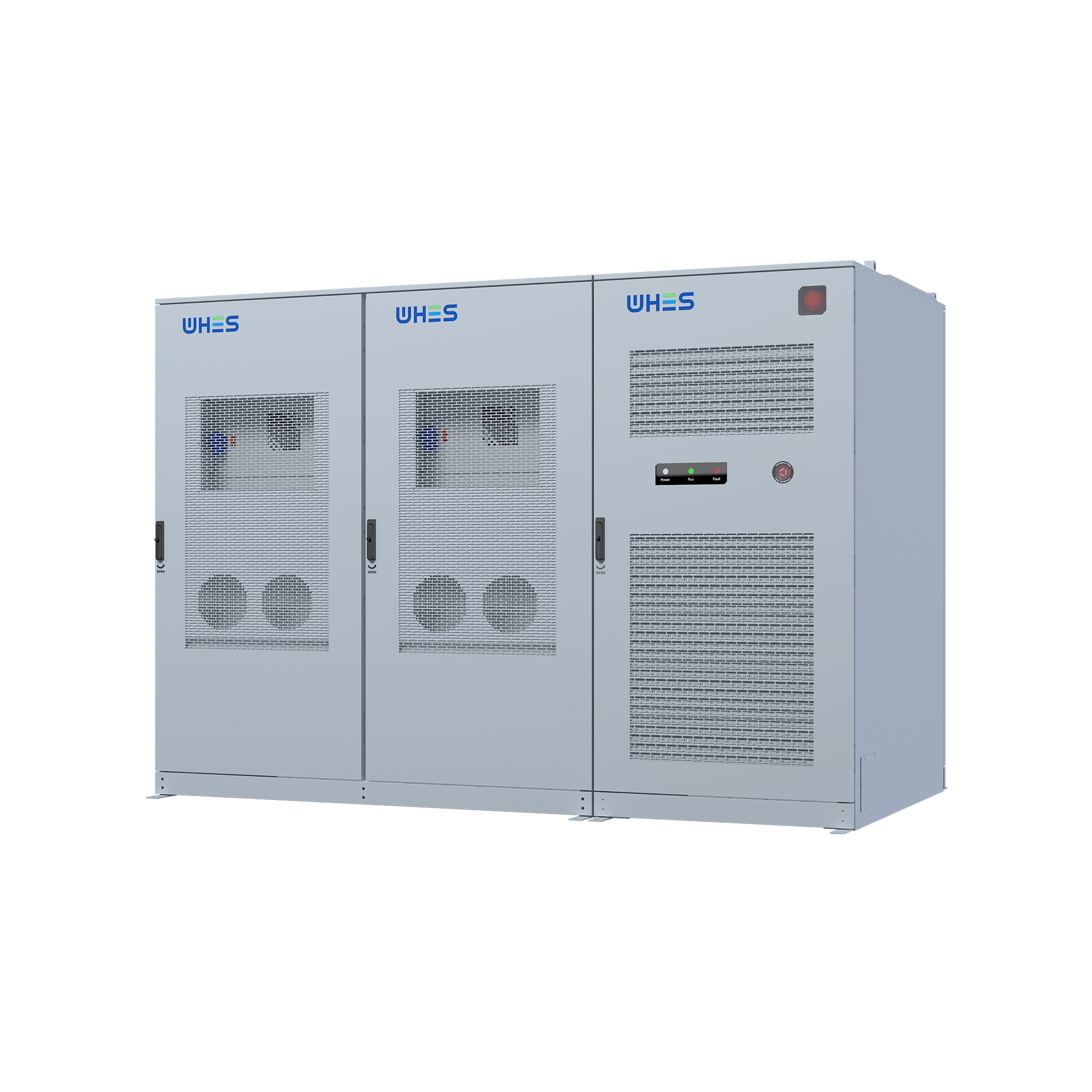
Teams often overemphasize capital cost per kWh and ignore lifecycle throughput or duty-specific inefficiencies. Others forget to specify the exact discharge profile in RFPs, which leads to mismatched systems. Fixes: require vendor modeling on your actual data, insist on performance guarantees tied to your KPIs, and favor architectures that let you swap chemistries or add capacity later. And consider modular deployments early — a packaged modular ESS can simplify commissioning and scale with demand.
Short comparison summary
In one line: choose LFP or high-power lithium for heavy, frequent C&I cycling; choose flow or large LFP banks for hours-long renewable smoothing. Evaluate vendors on cycle life at your DoD, thermal and BMS quality, and long-term warranty terms. Keep your focus on lifecycle cost and operational fit — not just the sticker price.
Advisory — three golden rules for selecting the right battery chemistry and system
1) Measure first, spec second: use 30–90 days of load and generation data to define required power, duration, and cycles. 2) Prioritize lifecycle throughput over upfront price: compare $/kWh-year or $/MWh of delivered service, not just $/kWh installed. 3) Demand modularity and clear service pathways: ensure the system supports easy expansion and has on-site or rapid-swap maintenance plans.
Closing note — the practical advantage
When you run the numbers this way, the best chemistry is the one that meets your operational profile and financial targets while minimizing downtime risk. For many projects, that practical balance is exactly what WHES aims to deliver with modular, serviceable systems that align capacity to real-world needs. Confident choices beat guesswork — always. —