
A comparative lens on real-world needs
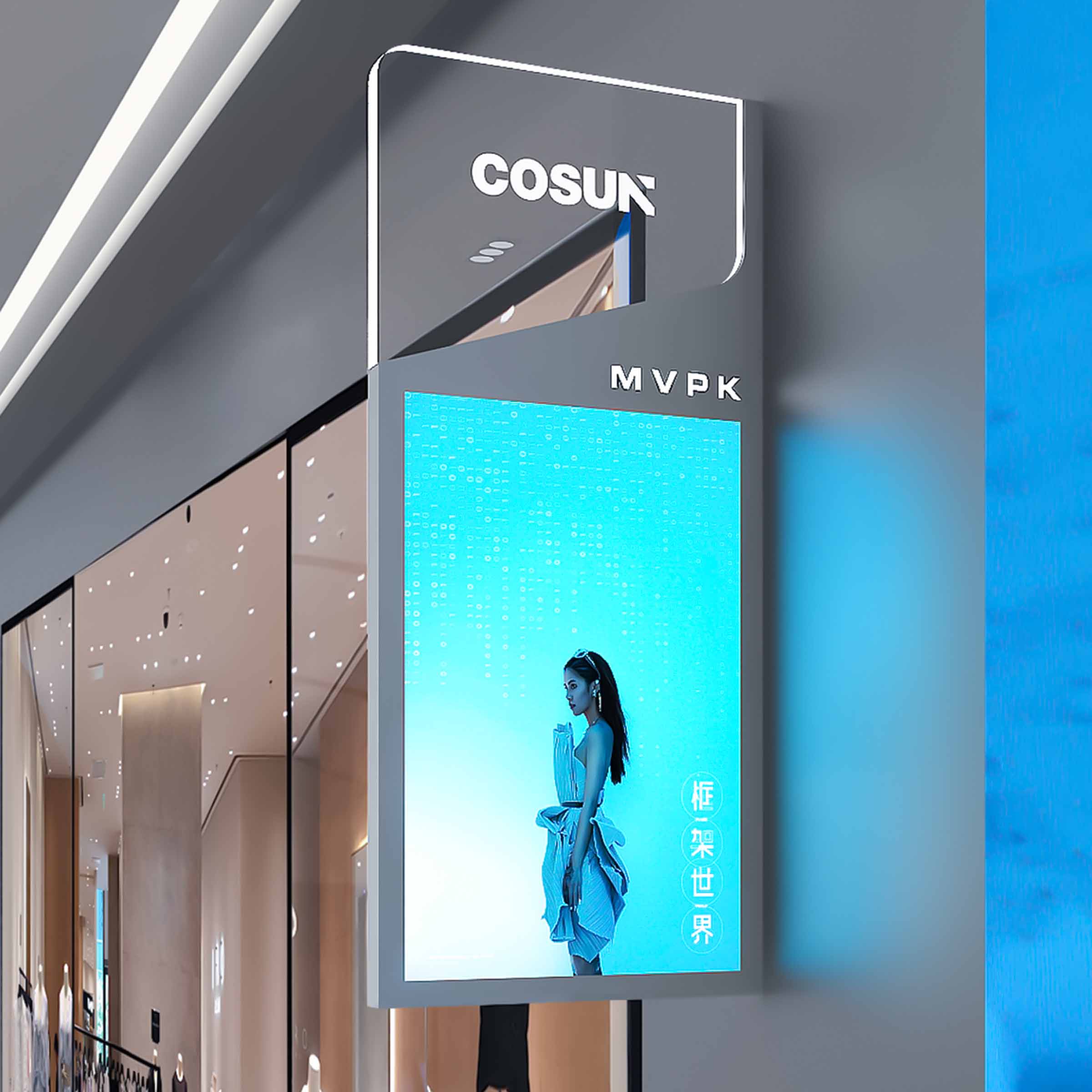
Wholesalers deciding between commercial-grade high-bright panels must weigh measurable performance against installation realities, especially for busy environments like Mall of America where daylight visibility is non-negotiable. For many shopping centers the decision isn’t aesthetic—it’s operational: can the totem be read at noon, survive seasonal weather, and still draw attention without constant maintenance? See how suppliers address those requirements with concrete choices in shopping mall signage and what that means for your margins and uptime.
Key panel specifications that change outcomes
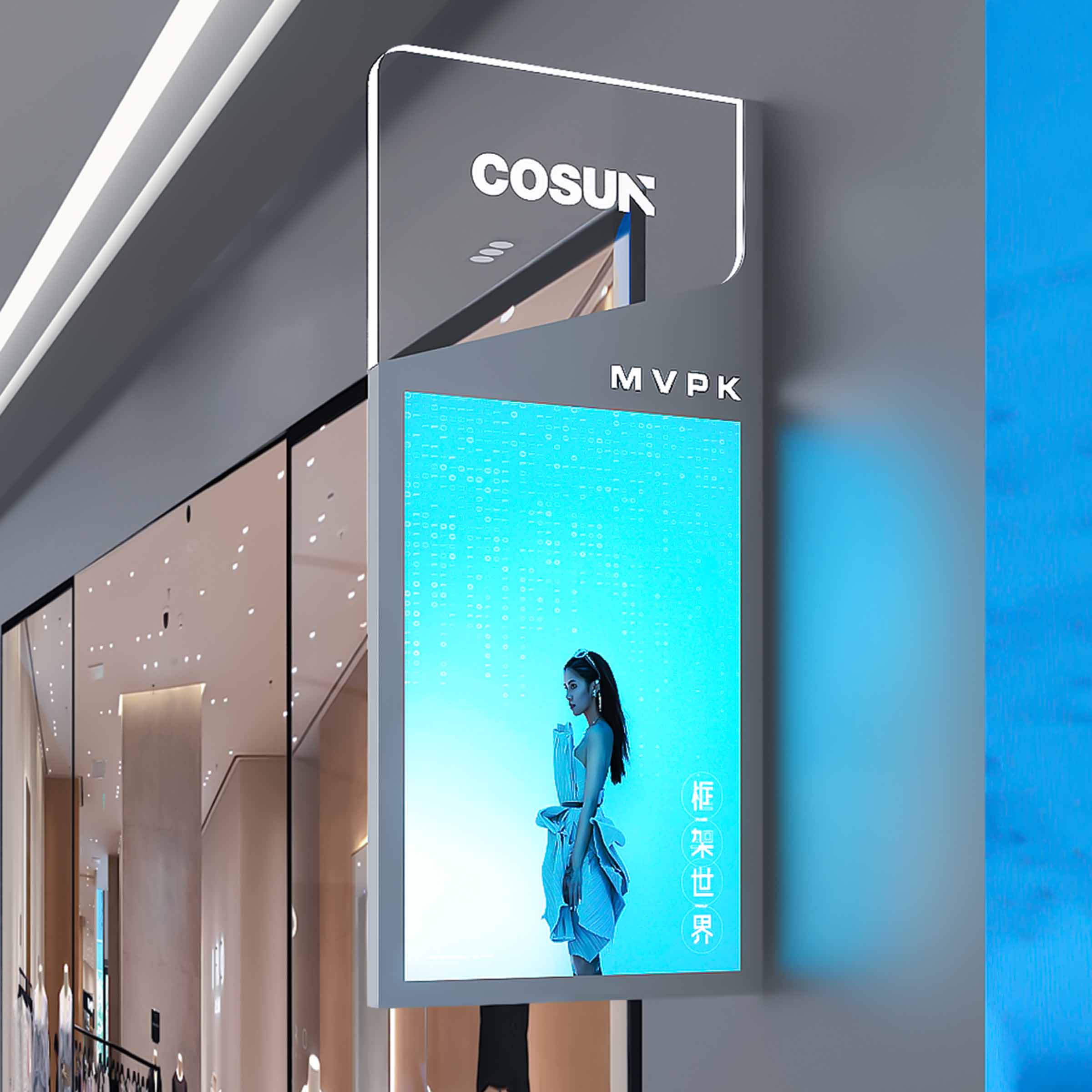
Start with brightness: outdoor commercial displays typically target between 2,000 and 5,000 nits to remain legible in sunlight. Contrast ratio and viewing angle influence perceived clarity at oblique approaches in plazas. An LED panel with an ambient light sensor that auto-adjusts brightness reduces power spikes and extends component life. These are technical items, but they translate directly into fewer service calls and better tenant satisfaction.
Weatherproofing, maintenance, and lifecycle costs
Enclosures rated to IP65 or higher protect electronics from rain, dust, and wind-driven debris. Corrosion-resistant finishes, replaceable front modules, and service-friendly access points cut mean-time-to-repair when a pixel or power supply fails. Think of warranty terms not as marketing language but as an operational forecast: longer coverage often reflects better component selection and tighter QA at the factory.
Comparative metrics suppliers should provide
When you compare vendors, insist on standardized, testable data:- Measured brightness at operating tilt and at 25°C, not a lab peak number.- Rated ingress protection (IP) and thermal performance under sun-load.- MTBF or expected LED lifespan at specified operating temperature.These metrics let you compare apples to apples. Also check integration features—media players, CMS compatibility, and remote diagnostics—which determine installation speed and recurring support needs. A small aside—the cheapest panel often becomes the most expensive after two years of ad-hoc fixes and downtime—but that’s easy to miss in an initial quote.

Common mistakes and better alternatives
Buyers often pick consumer-style large-format displays for outdoor placements because the initial price looks attractive. Those units lack effective heat dissipation and proper brightness calibration for outdoor use, which leads to premature failure. A better alternative is choosing a purpose-built outdoor totem with modular components; it costs more up front but reduces onsite labor and avoids unplanned replacements. For retrofits, consider smart shrouds and anti-glare coatings, and align the procurement with your existing content management platform—silos are expensive.
Three golden evaluation metrics for final selection
1) Operational brightness and measured stability: prefer a panel whose sustained nits under sun-load match the vendor spec. 2) Serviceability score: panel design that allows module swaps without full enclosure removal. 3) Total cost of ownership estimate: include energy, scheduled maintenance, and projected replacements over five years. These three rules keep decisions tied to measurable outcomes rather than marketing gloss.
Final assessment
Choose suppliers who deliver verified test data, practical service pathways, and clear compatibility with mall-level ad systems such as shopping centre signage platforms; that combination protects tenants and preserves brand value. Cosun Sign. –