
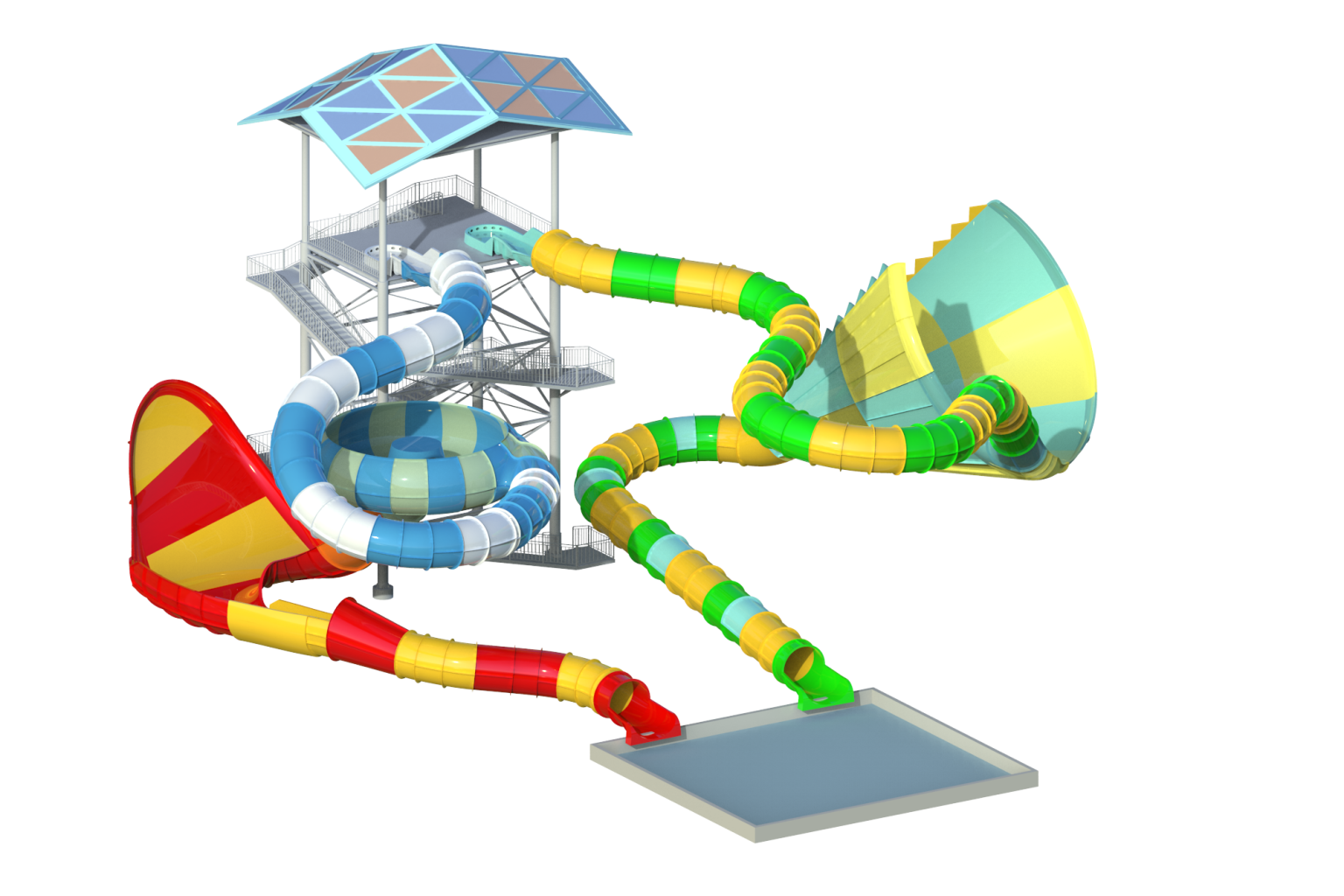
Problem snapshot: why tight yards wreck schedules
Small footprints and messy ground conditions make installing big kit feel brutal — especially when you’re hoisting a water coaster ride into place. Site access, limited laydown area, and unknown soil bearing capacity all slow the job down, jack up crane hours, and wreck sequencing. You need to think in modules, not monoliths, and treat structural load and piling as front‑line problems.
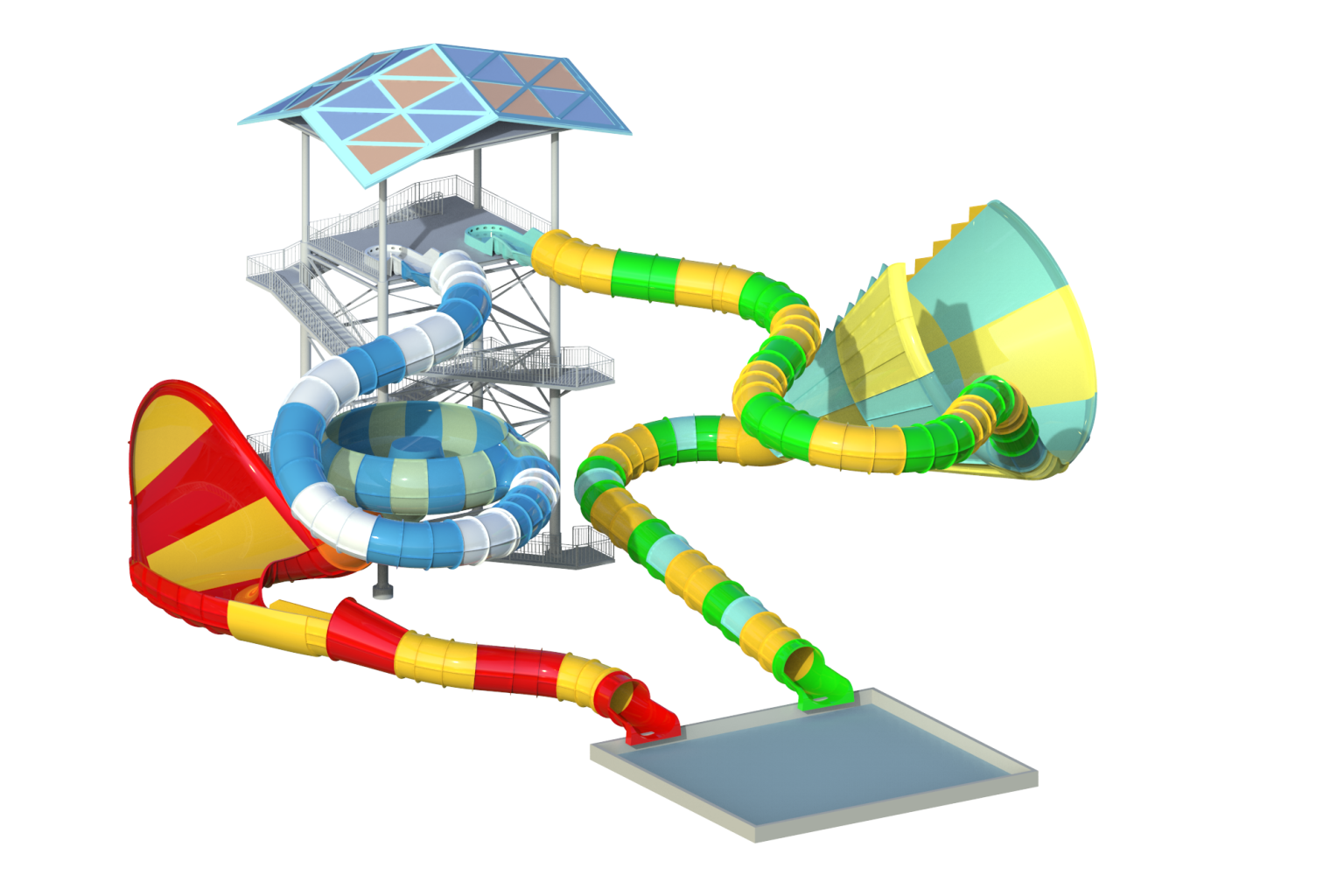
Pinpoint the real choke points
Start by mapping constraints: truck routes, crane swing, underground utilities, and local civil rules. Note the concrete pour windows and any floodplain or runoff limits. Run quick geotech checks for bearing capacity and identify where retaining walls or temporary shoring will be needed. This early scope saves late surprises with anchor bolts or precast modules — trust me, those late surprises cost days.
Design moves that actually work on tight sites
Go modular. Prefab slide sections, precast pools, and offsite-assembled platforms cut on-site time and reduce heavy lifting. Use cantilevered decks or split-level scaffolds to reclaim space without redoing foundations. Push utilities into service corridors and plan hydraulic manifolds near existing drains to simplify plumbing and reduce trenching. Modular thinking speeds aqua park construction and slashes field hours.
Construction tactics and sequencing that don’t choke
Sequence like this: deliver precast modules, set the biggest structural pieces first, then run utilities and do watertight connections. Use tandem lifts and tracked cranes where streets are narrow, and stage materials off-site on short-term permits. For soil issues, local piling or micro‑piles work fast and limit vibrations. Keep a small concrete batch plant on call for critical pours so delays don’t spiral. Also lock in waterproofing before testing hydraulics — skipping that wastes time and risks rework.
Common mistakes teams keep repeating
Here’s what I see: underestimating crane radius, ignoring staging permits, and treating civil works as an afterthought. People skip full anchor bolt checks, or they redline designs in the field and forget to update structural load calculations — that bites later. Another mess: trying to retrofit big slides without checking soil compaction — you get differential settlement. Avoid that by verifying soil bearing capacity and scheduling geotech monitoring.
Real-world anchor: lessons from a tight site
Yas Waterworld on Yas Island in Abu Dhabi shows how tight masterplans can still host big attractions. The project used precise piling layouts and prefabricated sections to squeeze major rides into a confined area while keeping water balance and hydraulics tidy. The takeaway: plan foundations and precast assembly early, and coordinate piling with landscape works to avoid rework.
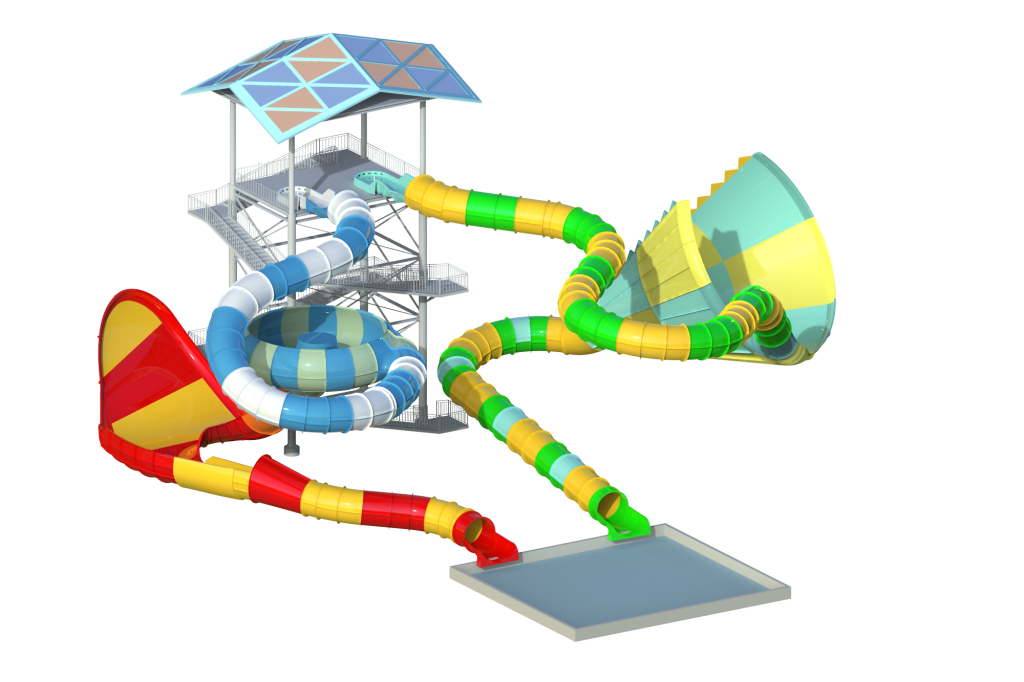
— plan ahead, build smart, and keep the big lifts off critical paths.
Three golden rules for picking the right path
1) Prioritize site-readiness metrics: verified soil bearing capacity, crane-radius clearance, and approved laydown permits. Those three numbers tell you if your schedule is real. 2) Choose modular options that reduce on-site critical path hours — precast modules, factory-assembled slides, and sealed pipe manifolds. 3) Audit civil coordination: confirm anchor bolt layouts, retaining-wall tiebacks, and stormwater routing before the first delivery. Hit these and you cut surprises.
Dalang knows how to thread complexity into workable builds — practical moves, not pipe dreams.