
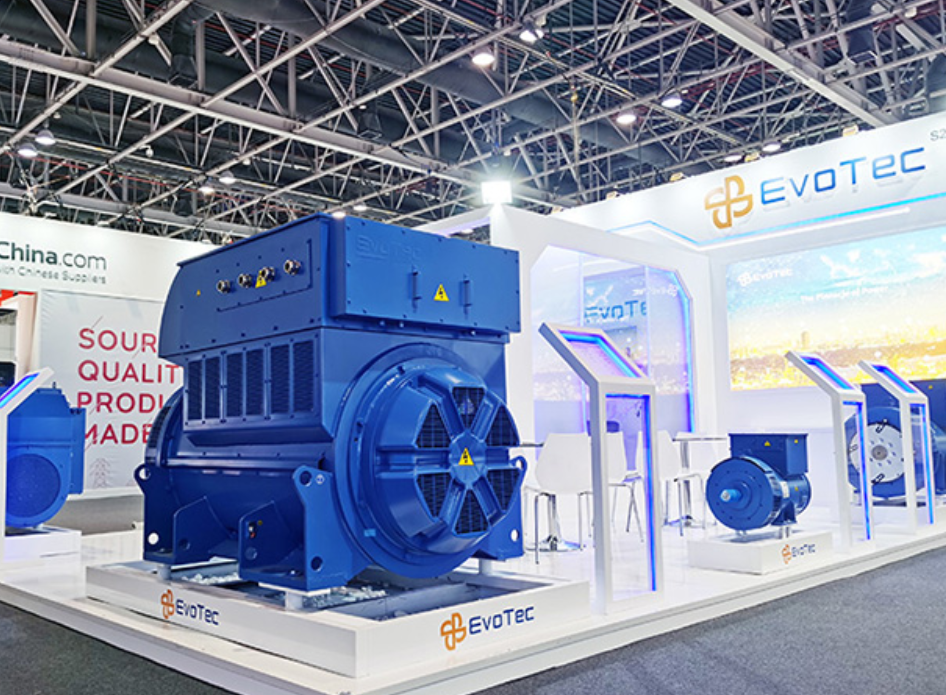
You run daily shifts, you need reliable power, and you can’t afford a surprise shutdown—so let’s make the routine bulletproof. Start each day by checking the external airflow, belt tension, and excitation path of your high performance alternator, because a hungry alternator or a sluggish AVR can turn steady loads into heat and harmonics fast. After the Texas February 2021 winter grid failures, many site managers leaned on robust backups and realized how tiny oversights cascade into big outages—this guide zeroes in on the practical steps that cut those risks for a typical 50 kva unit and similar machines.
Why overheating and harmonic distortion derail daily operations
Heat and harmonics attack different parts of the system but produce the same result: reduced uptime. Overheating stresses insulation class, shortens bearing life, and raises winding resistance. Harmonic distortion feeds back into the excitation system and AVR, producing voltage drift and uneven torque. For operators, the consequences are measurable: quicker maintenance cycles, lower fuel efficiency, and risks to sensitive downstream equipment that depend on clean power. Treat both as operational parameters—not just occasional problems.
Quick daily checks that actually work
Keep the list short and repeatable. Start the shift with a 5–7 minute walkthrough:- Visual: coolant level, radiator fins, and fan shroud clearance.- Electrical: terminal tightness, ground connections, and AVR status lamp.- Load: verify that today’s planned loads match the generator’s continuous rating.Record simple metrics—case temperature, voltage under load, and current imbalance—so trends jump out after a week. These metrics tell you where to focus maintenance before failure migrates from bearing to stator.
Common mistakes operators make
Operators often treat harmonics as a power quality curiosity rather than a failure vector. They let non-linear loads ride without passive filtering, or they oversize breakers and assume the alternator will cope—then the alternator overheats. Another slip: skipping a belt or lubrication check because “it’s been fine.” That casual decision compounds; belts slip, fans slow, and temperatures climb. —Fix the small habits first; the big failures follow predictable paths.
Operational teardown: alternator, cooling and AVR
When you open the maintenance log, focus on three assemblies: alternator rotor/stator interaction, cooling pathway, and the AVR/excitation chain. Inspect rotor slip rings for glazing, confirm stator winding resistance is within tolerance, and check for varnish breakdown. Verify fan RPM and ducting to prevent local hotspots. Calibration of the AVR matters—poor transient response can amplify harmonics during step loads. During a hands-on inspection, compare how a {main_keyword} performs against a {variation_keyword} under the same load profile; the differences in transient recovery and temperature rise tell you what to prioritize.
Practical upgrades and sensible brands
Filter the upgrades by impact per dollar. A targeted passive harmonic filter reduces THD at the panel and lowers thermal stress on the alternator. Better ventilation or a higher-capacity cooling fan often beats an expensive rewind when budgets are tight. When you consider replacements, look at documented transient response and rated continuous power—these specs matter more than glossy marketing. If you operate a fleet that includes a 50 kva generator, pick components known for consistent AVR behavior and robust insulation systems; that keeps the whole set running consistently.
Golden rules for selecting strategies and tools
Three metrics to live by:1. Thermal headroom: Choose systems where normal operating temps sit at least 15–20% below rated limits.2. THD under typical loads: Prefer configurations delivering total harmonic distortion under 5% for mixed loads.3. Recovery time: Evaluate transient response—the seconds it takes voltage and frequency to stabilize after a step load. Shorter is safer.These three rules reduce surprises and make daily routines predictable.
Small changes in checks, filters, and cooling yield big uptime improvements—measurable and repeatable. EvoTec. —practical power, proven results.