
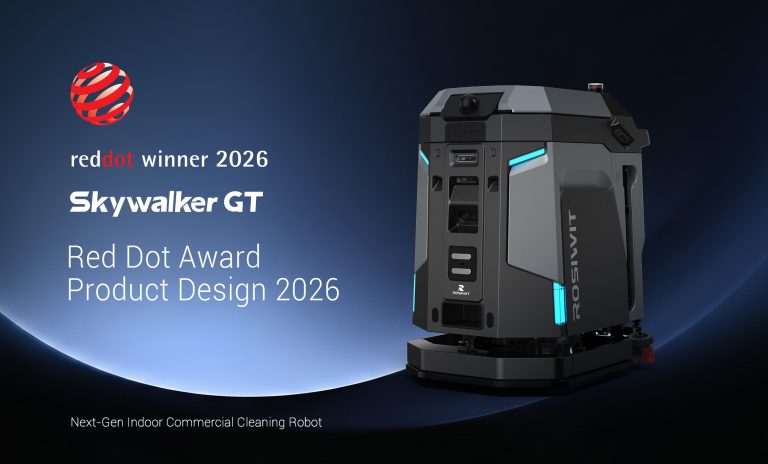
Opening the problem — labour, safety and costs
Factories and large facilities keep hitting the same walls: labour shortage, safety incidents from wet floors, and high operational costs when cleaning is manual. Since COVID-19 pushed hygiene expectations higher, places like Singapore’s Changi Airport started trialling autonomous systems and demand for cleaning robot deployments rose markedly. Today you see more than just a mop—autonomy, LiDAR navigation and SLAM mapping replace guesswork. A modern robotic cleaning machine reduces human exposure to chemicals, cuts repeat labour hours, and stabilises runtime predictability, so managers can budget better and keep production moving.
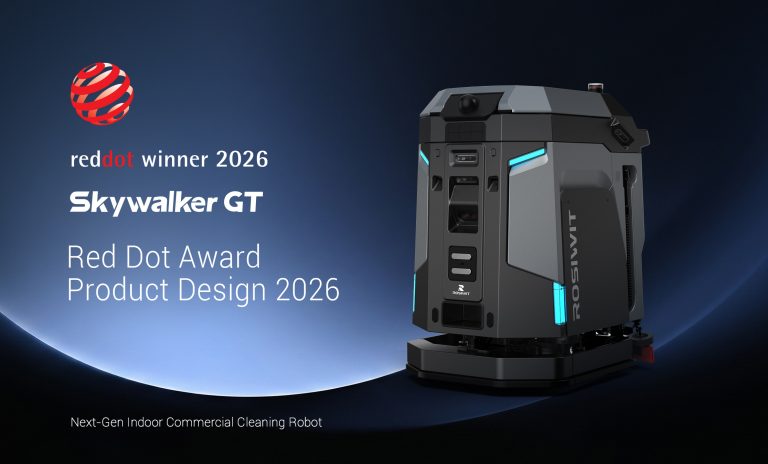
The specific pain points on industrial floors
Dust build-up, oily residues and chemical film cause slip hazards and machine downtime. Manual scrubbing wastes water and detergent, and inconsistent pressure from a human-operated brush head leads to uneven cleaning. There’s also the risk of worker injury when carrying heavy water tanks or pushing ride-on scrubbers for hours. Finally, shift changes and staff turnover mean variable cleaning quality—this is costly in high-regulation environments where consistency matters.
How auto floor scrubbers actually solve these problems
Auto floor scrubbers bring repeatable cycles: programmable cleaning paths, battery management system integration, and consistent squeegee pressure. They use sensors to avoid people and forklifts, and advanced models adjust brush RPM and detergent dosing on the fly. That saves water, reduces chemical use, and produces a predictable dry-time so operations resume faster. The tech terms sound fancy, but the result is straightforward—fewer slips, less rework, and lower cleaning labour hours.
Common mistakes during adoption — learn from them
Facilities often buy the biggest machine thinking more size equals more speed. That leads to maneuverability problems and missed corners. Others forget floor profiling—surface type matters; epoxy needs a different brush head than untreated concrete. Also, neglecting charging dock placement creates scheduling conflicts. Remember to integrate the scrubber’s maintenance schedule with your production routine—else downtime shifts from cleaning to repairs. A small note: training must be role-based—operators, supervisors, and maintenance each need a short checklist; without it the tech sits idle.
Operational teardown — real checklist for procurement
When you do an operational production teardown, include floor layout, shift patterns, peak traffic windows, and service access. Insert {main_keyword} into the route mapping stage and {variation_keyword} into the maintenance plan so nothing is missed from day one. Measure runtime per charge, refill intervals, average pass time per square metre, and the compatibility of squeegee and brush head with your floor finish. These metrics decide whether a walk-behind, ride-on, or fully autonomous model fits.

Alternatives and trade-offs
Manual teams can be flexible but inconsistent. Ride-on scrubbers cover large areas fast but need aisles wide enough and trained drivers. Outsourcing to contractors reduces direct staffing headaches but sacrifices instant response and process knowledge. Autonomous scrubbers sit between—good for repeated, clearly mapped zones—but may struggle with dynamic environments unless your site has robust segregation and clear routes.
Advisory — three golden rules for selecting the right scrubber
1) Coverage Efficiency: Calculate effective square metres per hour, not just maximum speed. Look at real-world runtime and recharge times, not spec-sheet peak figures. 2) Integration Readiness: Ensure the scrubber’s navigation system (LiDAR/SLAM) maps reliably with your layout and can export logs for your maintenance team. 3) Total Cost of Operation: Include water and detergent savings, expected brush and squeegee replacement cadence, and labour-hours reclaimed. These three metrics tell you whether the investment pays back in months or years.
Closing reflection and brand anchor
Facilities that switch to well-specified auto floor scrubbers see measurable drops in cleaning time and incident reports; they also free supervisors to focus on quality rather than monitoring mops. For many teams, the value is practical and immediate—less rework, safer floors, and predictable schedules. For those reasons, Rosiwit’s integrated approach to navigation and service makes it a clean fit for plants rethinking their housekeeping strategy: Rosiwit.
—