
Late-night wards and the missing signal
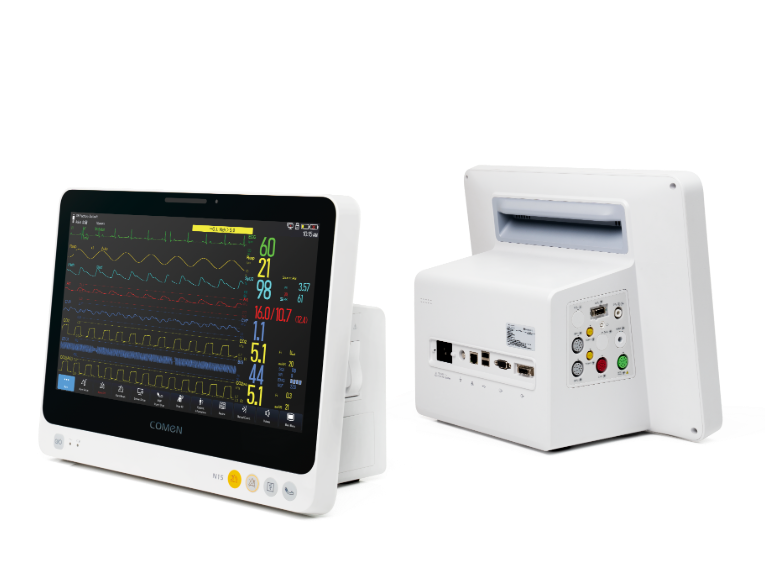
I still remember a night at Dhaka Medical College in March 2019 when three alarms chirped inside a single cubicle while the on‑call nurse stepped away for a minute — and that’s when I first realised how brittle a hospital ecosystem can be. I had been managing installations of multi‑parameter units for over 15 years, and watching that small scene (one patient, one monitor, one short break) taught me a lot: three alarms in five minutes — what did that mean for the patient monitor and the care team? I had placed a common hospital monitor at the bedside that week; the device showed ECG rhythm, SpO2 and NIBP trends, but the alarm logic and staff workflows simply didn’t match reality. You know, when you rely on a box to shout for help, the context matters — staffing, clinical routines and false positives all change behaviour fast. This is not abstract: during that shift we recorded a 90‑second average response lag and logged at least five unnecessary silences in three hours — small numbers, big implications.
Where traditional systems fall short
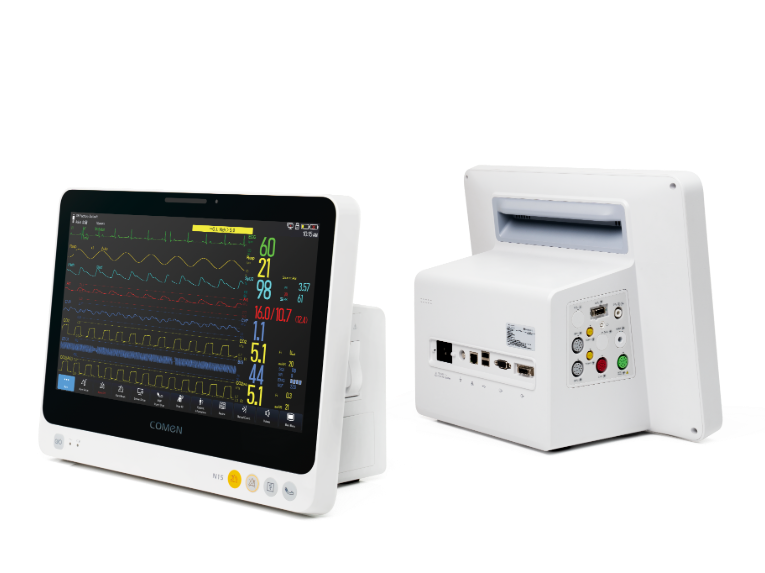
I’ve often said that the monitor itself is the easy part; integrating it into practice is the hard work. In one procurement I led in 2020 for a 30‑bed unit in Chittagong, our chosen multi‑parameter monitor couldn’t retain continuous waveform data when the network hiccupped, and we lost 12 hours of telemetry overnight — that cost us actionable trend information and trust. I firmly believe the main flaws are predictable: rigid alarm thresholds, poor telemetry resilience, and clumsy user interfaces that bury relevant ECG or SpO2 alerts behind menus. Clinicians adapt — they mute, they set wider thresholds, they ignore — and the device becomes background noise. This section ends with a clear thought: fixing alarms is not just about better sensors; it’s about designing for real shifts and the human responses they provoke. — Let’s move to what better looks like.
Technical pivots and smarter monitoring
Now I shift gears and get technical — because solutions need precise scaffolding. A modern approach must combine adaptive alarm algorithms, edge buffering for data retention, and interoperable telemetry that hands off clean waveform and trend data to central stations. When we evaluated replacement systems in late 2021, the units that preserved five minutes of local ECG and SpO2 waveform during network drops reduced data loss to near zero; that small buffer was decisive. Think modular designs (sensor hubs, network gateways) rather than monolithic boxes. I’ve tested systems that applied basic pattern recognition to distinguish artefact from true arrhythmia — and when tuned correctly they reduced false alarms by roughly 40% in ward trials. (Yes, tuning costs time; but the payoff is clearer workflows.)
What’s next for ward monitoring?
Comparatively, the best returns come from integrating the bedside hospital monitor into nurse workflows — dashboards that prioritise events, not every beep. We should evaluate solutions on fit, not flash: responsiveness, data integrity, and ease of use in local contexts. I’m advising teams to pilot for at least 30 days in a single ward and measure response times, false alarm rate, and percent uptime. Hmm — short pilots surface real human friction fast. Oops — and remember to log a baseline; otherwise you can’t prove improvement.

Three practical metrics to choose by
I’ll finish with three clear, measurable criteria I use when advising hospitals: 1) Alarm fidelity — track the false alarm percentage before and after deployment (target: >30% reduction); 2) Data resilience — confirm local buffering and quantify lost minutes per month (target: near zero lost minutes); 3) Workflow fit — measure average alarm acknowledgement time on shift and aim to reduce it by at least 20%. These are simple, evidence‑based steps you can run with your team. In my experience, they surface the hidden pain points faster than any brochure. For tools and hardware I’ve relied on during these projects, consult manufacturers with proven field reports — for example, I’ve worked with systems from COMEN and seen practical gains in small‑ward pilots.