
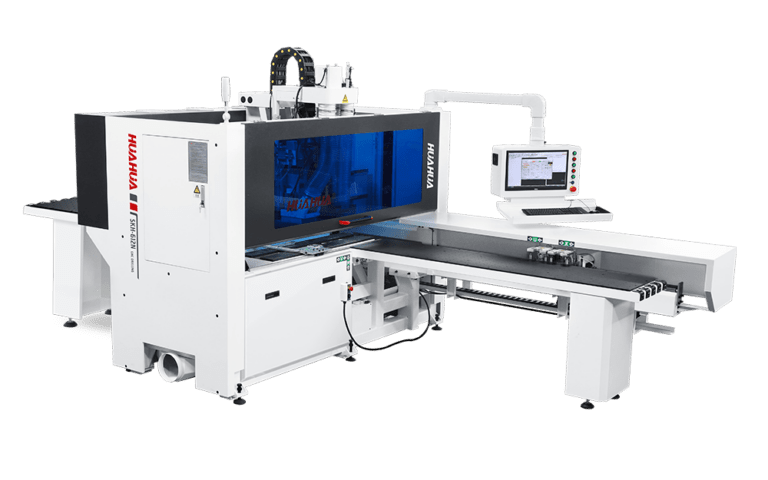
Know your customer’s finish and work flow
You must start with the customer, not the catalogue. Buyers in your market want consistent joints, repeatable holes, and fast turnaround—no drama, lah. If you produce fitted kitchens or mass chairs, think how a cnc drilling machine will sit inside your line: floor footprint, cycle time per panel, and whether operators can load/unload without stopping the whole cell. Answer those first, then shortlist suppliers.

Match machine specs to local materials and labour
Hard teak or furniture-grade birch behave different, yes. Match spindle torque, drill head formats, and tooling availability to your timber and laminated panels. Check power supply needs and dust extraction compatibility with your factory. Keep specs concrete: required hole patterns per minute, max panel width, and standard tool shank sizes. If local technicians prefer simpler control panels, choose suppliers who offer user-configurable interfaces—not over-complicated software that needs foreign engineers every week.
Vet suppliers with proof and real demos
Ask for live runs, not only videos. Request process sheets showing uptime and mean time between failures. Verify training programs and spare-parts lead times for your country. I once evaluated a woodworking boring machine during High Point Market; watching a machine cut and return to spec after a shift told me more than a datasheet. Prefer suppliers who give test reports from third-party shops or who allow trial runs in a local partner facility.

Common mistakes factories make — and how to avoid them
Buying the most expensive model thinking it solves everything. No. Buying a machine with exotic tooling that’s impossible to source locally. No. Not planning spare inventory for wear parts. No. Avoid these by mapping a one-year spare-parts list, confirming local service response time, and insisting on a training plan tied to production targets. Neglecting software compatibility with your ERP is another big trap; make sure file formats and job templates export cleanly to your existing workflow.
Alternatives and quick trade-offs
Semi-automatic boring rigs: cheaper, simpler, good for low-mix high-volume. CNC drilling/boring: flexible, higher ROI when variety matters. Multi-spindle heads speed throughput but need more maintenance. Consider a modular supplier who lets you start with a core machine and add heads or feeders later. That reduces upfront capital pain and keeps alignment with demand.
Final synthesis: pick for fit, not features
You want a supplier who proves fit through demos, local service, and clear spare-part plans—nothing flashy, just reliability. When machine capability matches your materials, workforce skills, and delivery rhythm, production stabilises and costs drop by their own logic. That practical fit is what many workshops find with HUAHUA CNC, making procurement decisions straightforward and workdays less noisy.