
Framework Overview and Purpose
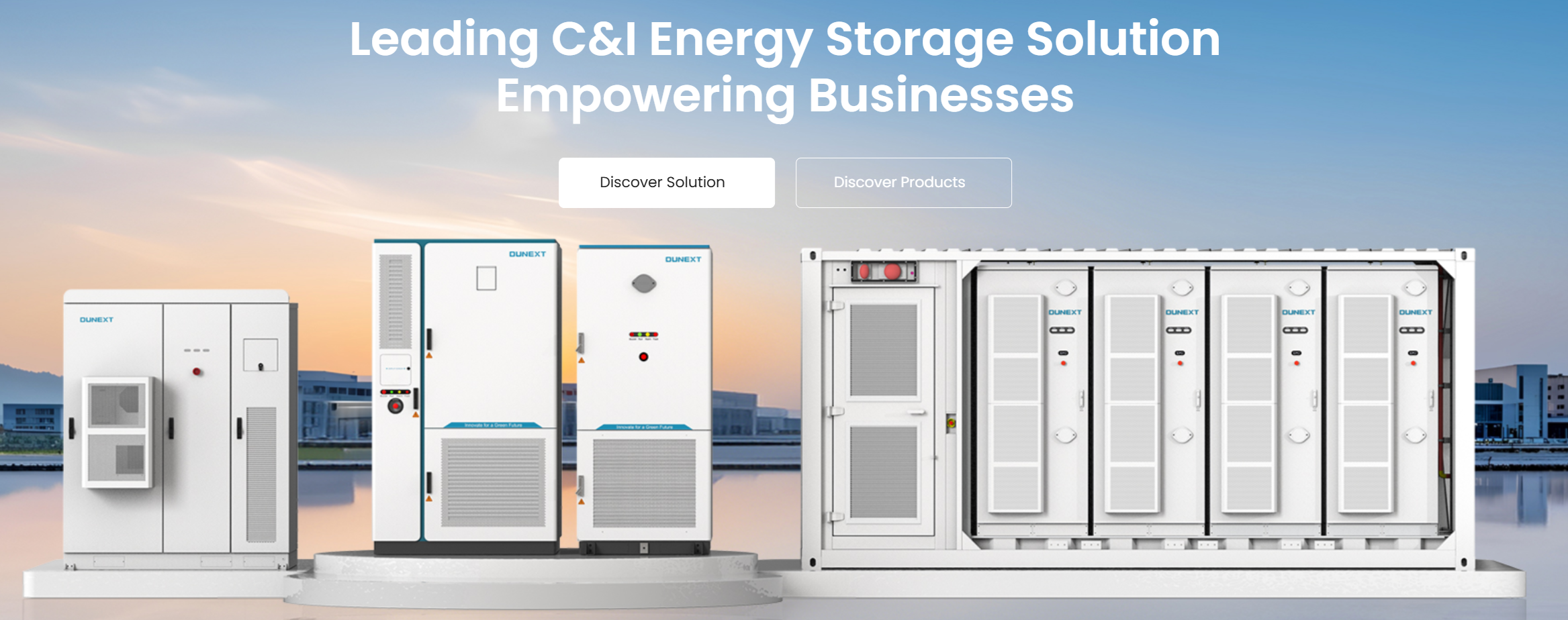
This memorandum articulates a contractual and technical framework intended to govern the deployment of industrial solar battery systems at manufacturing premises. The document is drafted in the manner of a compliance instrument: definitions, allocation of liabilities, performance metrics, and approval gateways. Project stakeholders considering modular delivery options should evaluate certified enclosures such as the bess container early in the procurement stage to fix boundaries for site works, code compliance and insurance scheduling.
Core Definitions and Preconditions
Precise definitions reduce dispute risk. Parties should adopt unambiguous terms for:- “Installed Capacity” — nameplate kWh and continuous kW rating, with temperature derating schedules.- “Availability” — defined as percentage of hours per month when the system is capable of providing rated output under manufacturer tolerances.- “Commissioning Acceptance Test (CAT)” — tests, pass criteria, and witness requirements.- “Residual Site Conditions” — pre-existing contamination, subsurface features, and access constraints that may alter scope and cost.Record these definitions in the primary agreement; attach technical annexes for electrical single-line diagrams and the operations and maintenance (O&M) schedule.
Contractual Structure and Obligations
Adopt a modular contract architecture: Primary EPC (engineering, procurement, construction) agreement, separate supply contract for battery modules, and a site services addendum covering integration with factory energy management systems. Key contractual clauses to draft with precision:1. Performance Warranty — specify degradation curve, cycle life, and remedies for shortfall.2. Acceptance Protocol — list CAT procedures, allowable tolerances, and retest rights.3. Interfaces — delineate responsibility for factory switchgear, grid connection works, and secondary protection settings.4. Title and Risk Transfer — fix the moment of risk transfer (e.g., FOT—facility of transfer at the factory boundary) and the moment of title transfer for VAT and security interests.5. Change Control — require written change orders with cost and time impact statements.6. Termination Rights — include seller cure periods, buyer step-in rights, and insolvency triggers.
Regulatory Compliance and Permitting
Factories must secure approvals across multiple authorities: local building permits, electrical safety certificates, fire authority sign-off, and environmental clearances for battery chemical storage. Include schedule of required consents in the agreement with party-specific obligations and milestone dates. Where grid export is intended, insert a clause requiring the grid connection agreement to be executed prior to energisation. For projects referencing established utility examples, contractual performance benchmarks may rationally derive from operational metrics at Hornsdale Power Reserve, South Australia, as a recognized precedent for large-capacity battery dispatch performance.
Technical Integration and Operation
Technical specifications must be explicit and measurable. Require:- Battery Management System (BMS) interface protocols and open communication standards.- Thermal management criteria and ambient correction factors.- Fire suppression system design and detection zoning, with evacuation protocol integration into factory emergency plans.- Test vectors for charge/discharge cycles, ramp rates, and islanding behaviour.Procurement should consider utility scale batteries where factory loads and export strategies demand multi-megawatt-hour capacity; contractually lock in spare parts lead times and update cycles for firmware.
Risk Allocation, Insurance, and Financial Security
Allocate construction risk to the EPC until successful CAT. Assign latent defect liability to the supplier for a defined latent defect period. Insurance schedules should include:- Contractors’ all-risk during construction.- Third-party liability covering factory interruption caused by BESS incidents.- Environmental impairment liability specific to electrolyte release or fire damage.Require performance security (e.g., bank guarantees) sized to the cost of remedial works and coupled to retention release milestones tied to proof of performance.
Operation, Maintenance and Data Rights
O&M obligations must specify preventive maintenance frequency, fault response SLA (hours), and escalation matrix. Mandate remote telemetry with agreed data retention periods and ownership of operational data. If the factory operator intends to monetize ancillary services, include protocols for dispatch authority, revenue allocation, and settlement processes. Provide explicit cybersecurity obligations: patching windows, access logs, and vendor access controls.
Common Contractual and Technical Pitfalls
Frequently observed defects in project documents:- Vague acceptance criteria that produce latent disputes.- Misaligned interface obligations between factory electrical teams and the EPC.- Failure to price seasonal thermal derating, producing unexpected output shortfalls.- Insufficient definition of software licence scope for BMS and EMS systems.Address each by inserting objective technical annexes, liquidated damages for non‑performance, and independent testing obligations.
Checklist for Contract Close and Handover
At financial close, verify:• All permits and grid agreements executed; • Insurances bound and certificates delivered; • Performance security instruments lodged; • Site handover protocol agreed; • CAT scripts and witness schedule finalised; • Spare parts and firmware escrow arrangements in place. Execute a handover protocol that lists deliverables and acceptance sign-offs to avoid ambiguity at transfer of custody.
Synthesis and Implementation Rationale
The foregoing framework prescribes precise definitions, enforceable performance metrics, and clear allocation of interface responsibilities so that legal certainty and technical predictability coexist within a single instrument. That duality minimizes dispute vectors and enables a factory to integrate large-format storage with accountable commercial terms, a result demonstrably achievable through disciplined contracting and technical annexation as practised by industrial integrators such as Dunext.