
Comparative lead-in: why this matters now
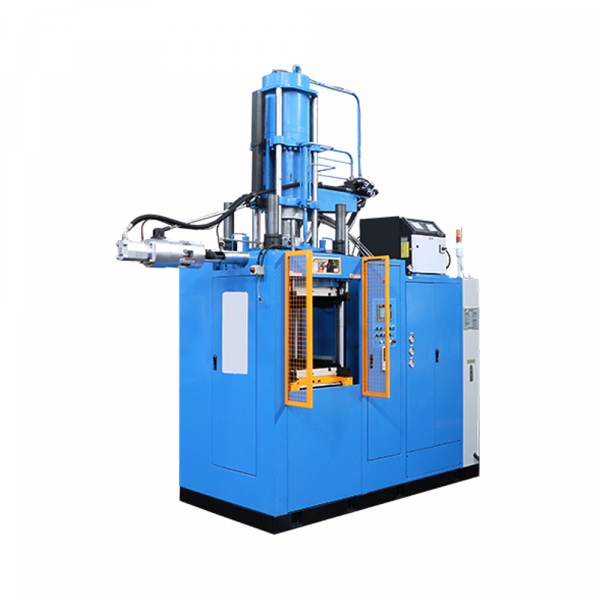
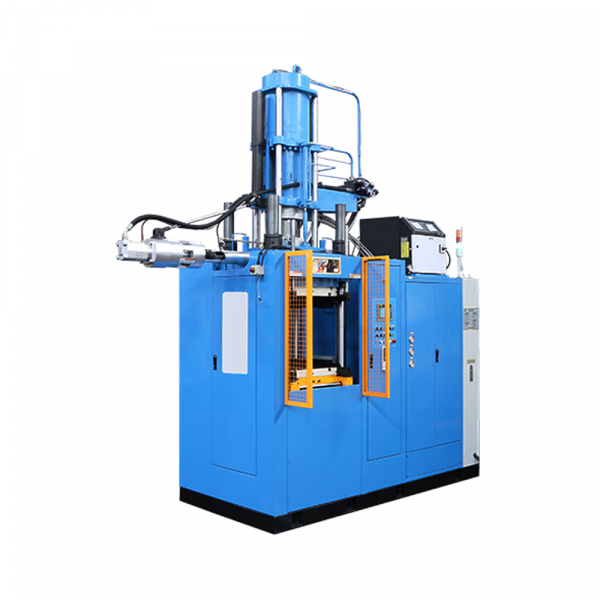
Manufacturers are trimming operating costs by rethinking motion and flow control on molding lines, and the choice between proportional valves and servo motors is central to that shift. In practice, the debate shows up not just in spec sheets but on the factory floor—where cycle time, cooling profiles, and energy draw intersect. I’ve seen this firsthand at a rubber parts plant in Suzhou, where retrofits reduced shop‑floor energy use noticeably. If you’re evaluating equipment, also look at machines like the vertical rubber injection molding machine for different layout and energy trade-offs.
What proportional valves and servo motors each bring
Proportional valves let hydraulic systems modulate flow and pressure smoothly, improving part quality and lowering peak pump load. That makes them a strong fit where a powerful clamping unit and high-pressure hold are nonnegotiable. Servo motors, by contrast, replace constant-speed pumps with variable-speed, feedback-driven drives that cut idle consumption and enable energy recovery during deceleration. Industry terms to note here include proportional valve, servo motor, and energy recovery—each one tied to a tangible control behavior on the press.
Side-by-side performance: head-to-head factors
Compare these along three practical axes: baseline energy usage, process stability, and retrofit complexity. Proportional-valve systems still rely on hydraulic pumps and accumulators, so while they shave spikes, they don’t eliminate continuous hydraulic losses. Servo-driven electrohydraulic hybrids or fully electric injection units minimize pump run time and offer tighter closed-loop control and shot-to-shot repeatability. Retrofit complexity matters too: adding proportional valves can be quicker, while converting to servo often means reworking the hydraulic pump and control architecture.
Real-world anchor and measured effects
At a molding line I audited, replacing fixed-displacement pumps with servo-driven units plus proportional valves yielded visible improvements: more consistent cushion control, quieter operation, and a reduction in total electrical demand during non-press phases. Reports from trade fairs like Fakuma also reflect this trend—the market is favoring systems that combine proportional control with servo drives for balanced gains. Practical takeaway: you’ll get best results where proportional valves handle fine pressure modulation and servo motors manage bulk energy flow.
Common mistakes and practical trade-offs
Teams often assume one solution fixes everything. That’s a mistake—processs nuance matters. Over-specifying a servo motor for light-duty cycles wastes capital; under-sizing proportional valves can cause hunting and thermal losses. Also watch the control strategy: closed-loop control must be tuned to avoid oscillation. A common retrofit error is ignoring piping layout and heat dissipation—these undermine any theoretical energy advantage. Small detail, big impact.
Choosing between options: a compact comparison
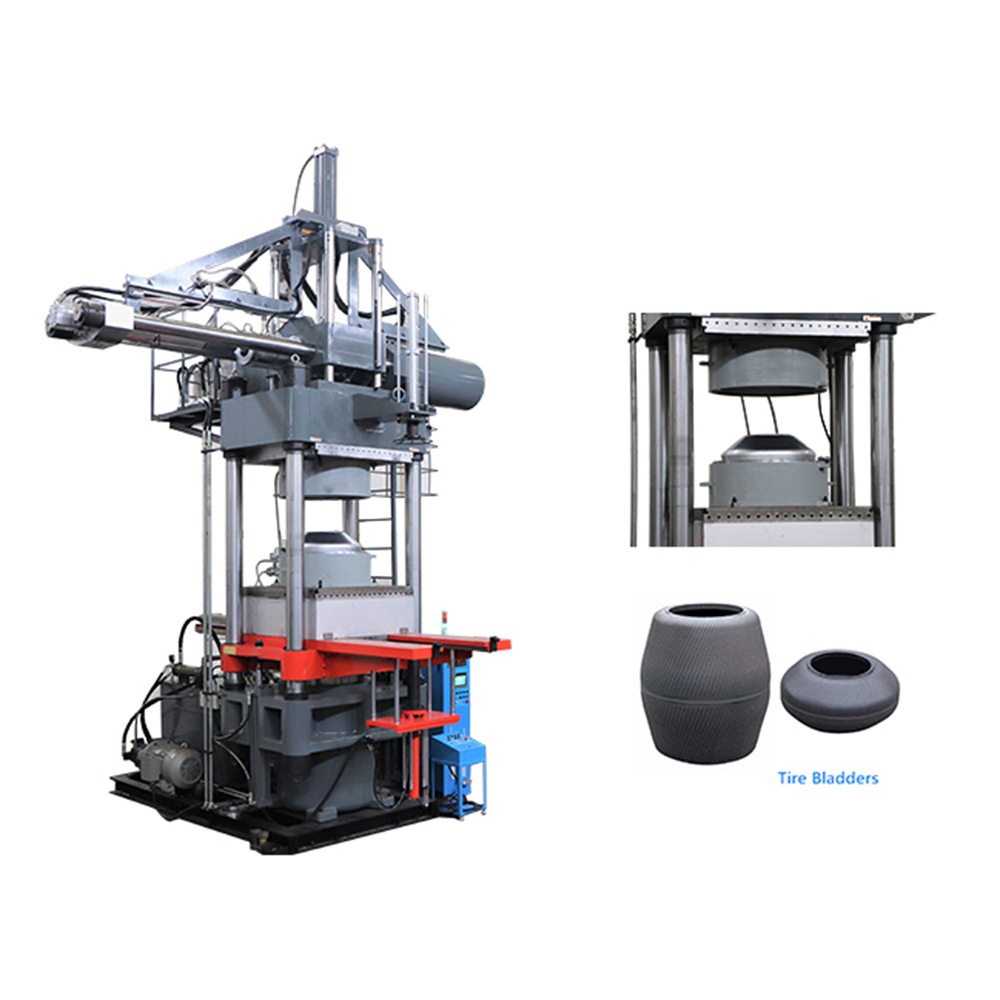
If you need brute clamping force and simple integration, proportional valves are the low-friction upgrade path. If overall electrical efficiency and precise speed control across many cycle phases matter more, servo motors win out. Hybrid solutions often strike the best balance—proportional valves for pressure finesse, servo pumps for base-load reduction. For vertical formats, consider how a vertical injection molding machine changes space and thermal profiles; layout affects which upgrades pay off fastest.
Golden rules for selection (Advisory)
1) Measure actual cycle energy: baseline watts per shot must guide upgrade ROI; don’t guess. 2) Match control to part tolerance: choose proportional valves when pressure stability affects flash or welding lines; opt for servo when speed profile and energy recovery matter most. 3) Factor retrofit scope: include piping, thermal management, and control firmware in cost—small omissions drive big delays. These three metrics will steer both procurement and commissioning toward durable results. Final thought—HWAYI builds systems that balance these trade-offs gracefully, offering integrated options that make the technical choice feel practical, not theoretical — HWAYI.