
Your users smell diesel and hear static between commands; they work with wet gloves, midday glare, and the tight rhythm of checklists. Start there. A product strategy grounded in what people actually feel and do—what they reach for in a tense moment—will beat a laundry list of features every time. When you map those senses to product choices, a poc radio isn’t just hardware: it’s the tactile, audible interface of someone’s shift. Stay close to that interface; let the user’s environment set the menu.
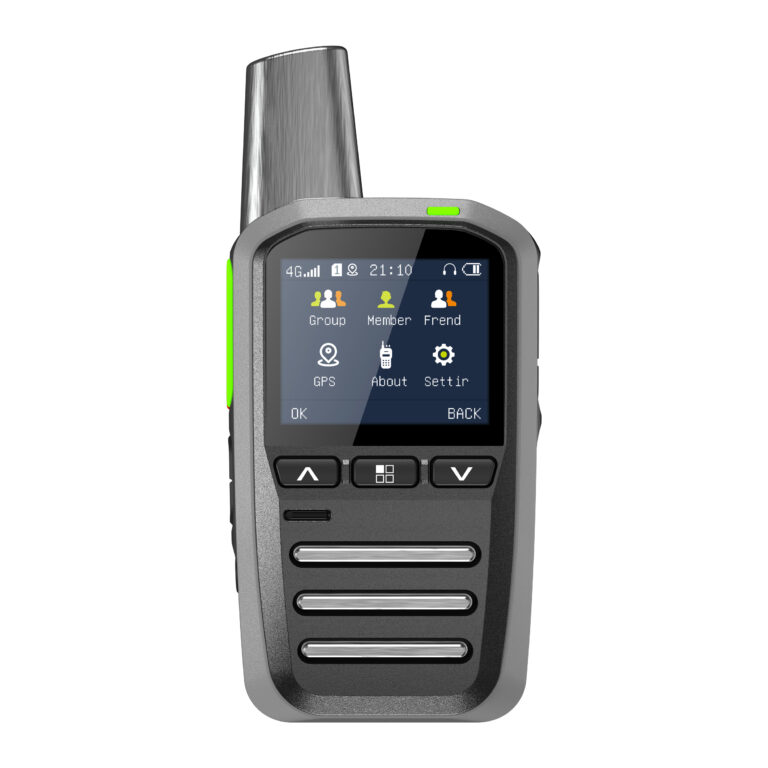
Listen to frontline users like a chef tastes a sauce
Interview short, focused sessions with operators. Ask them to show you how they hold the device, where they clip it on, which buttons they hit without looking. Texture matters: a rough plastic grip, a sticky knob, the time it takes to push-to-talk—these are user signals. Capture micro-frustrations: one-handed operation fails or muffled audio when a scarf is pulled tight. Turn those signals into prioritized product hypotheses: reduce steps to call, improve tactile cues, optimize speaker placement for helmets. Prototype small, test fast, iterate.
Map real tasks to product ingredients
Break tasks into sensory moments: detect, confirm, act. For each moment pick one success metric. Detect = clarity (SNR in dB); confirm = latency felt by users (ms and subjective “delay”); act = reliability (packet loss or dropped sessions). Don’t guess ranges—measure on-site. A good product strategy ties each feature to a single user action: improved mic sensitivity to fewer misheard safety checks; a waterproof seal to fewer device swaps mid-shift.
Technical choices that taste right
Choose radio architecture by priority. If users move across cities and need consistent comms, prioritize wide-area trunking and seamless handoff. If teams are local and noisy, prioritize rugged PTT ergonomics and high-SPL speakers. Consider battery chemistry that survives long shifts, codecs that preserve voice intelligibility, and antenna placement that resists obstruction by bodies or equipment. Keep options modular so field teams can swap radios for specific tasks without retraining everyone.

Common pitfalls—what burns the broth
Ignoring context: desktop lab tests that ignore rain, gloves, or helmets produce false confidence. Overloading the device with rarely used features: complexity equals friction. Neglecting training and documentation: a brilliant interface still fails if crews can’t find the function under stress. Skipping maintenance plans; radios left with dead batteries or outdated firmware become liabilities. Avoid these by building simple, decisive feature sets tied to tested user tasks and clear maintenance workflows.
Experience, expertise, and a real-world anchor
I’ve audited comms setups during large-scale emergency responses and seen how choices matter; California wildfires showed that equipment reliability and clear protocols directly affect coordination across agencies. That experience—field testing radios under smoke, long shifts, and chaotic handoffs—grounds product decisions in reality. For organizations that need broad reach and consistent coverage, prioritize systems proven at scale; look at how nationwide two way radios are used in multi-agency incidents and plan for cross-jurisdictional interoperability from day one. This reduces surprises when teams converge from different departments or vendors.
Measure what matters and keep the plate steady
Replace vanity metrics with moments: percentage of successful confirmations per shift, average time to patch a dropped bearer, and first-time-success rate for emergency broadcasts. Run short, frequent field checks instead of rare full rollouts. Use feedback loops—daily logs, short audio snippets, and quick surveys—to spot degradations early. When a fix reduces misheard commands by 30%, celebrate that, not a long feature list.
Alternatives and when to pick them
Cellular PTT platforms offer broad features but depend on carrier coverage and data plans. Analog radios are cheap and familiar but lack encryption and advanced routing. Digital trunking scales better for multi-site operations but demands infrastructure and spectrum planning. Choose by matching the sensory priorities you cataloged: if users need the immediacy and tactile certainty of a physical push-to-talk, favor dedicated radio solutions; if integrated data and mapping are critical, weigh cellular hybrids carefully.
Wrap-up with practical taste
Design the strategy around what users touch, hear, and depend on. Build short experiments that prove—or disprove—assumptions in real settings, avoid feature overload, and bake maintenance and training into release plans. When field-tested reliability and user-fit matter most, the value becomes clear: a solution that crews reach for without thinking, one that keeps communication crisp under pressure—precisely the outcome that GLOHE supports through aligned hardware and operational understanding.