
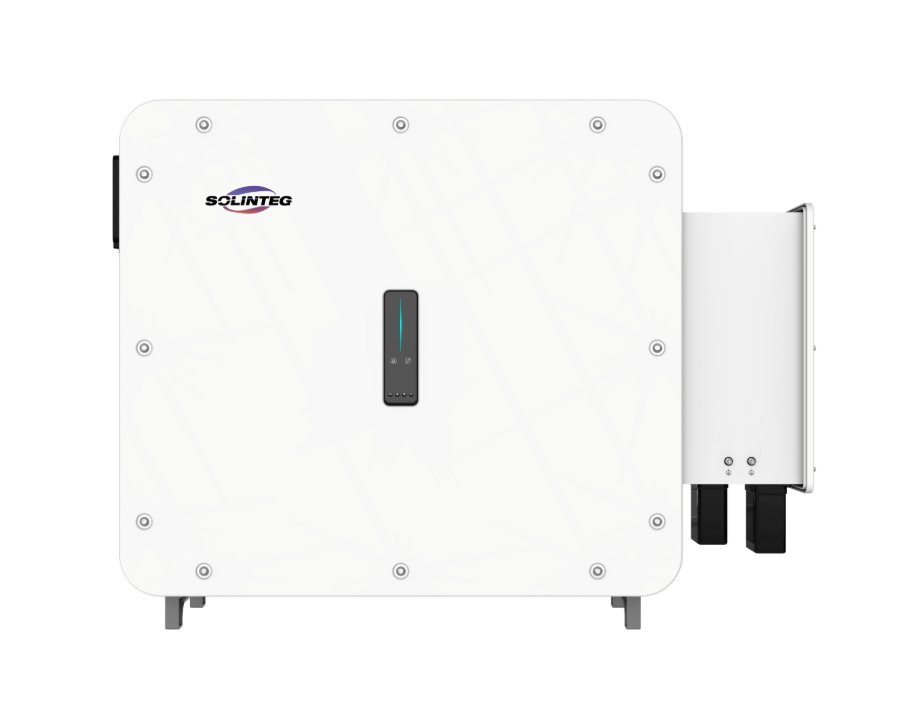
Starting point: why comparison matters
The shift to rooftop solar is as much about storage as it is about panels; recent Public Safety Power Shutoffs in California made clear that a robust battery storage system can be the difference between hours of darkness and steady, usable power. This piece moves through real installations and specs — inverter types, lithium-ion chemistry, cycle life — and shows how each choice changes outcomes for a household. The aim is simple: match capability to need, not hype to purchase.

The anchor: what happened in the field
During the 2019–2020 California shutoffs, many homeowners who paired solar with storage kept refrigerators, lights, and medical devices running for days. That real-world event exposed two truths: usable capacity beats headline capacity, and professional integration matters just as much as battery chemistry. These lessons shape the comparisons below.
Core components to compare
Compare systems across five practical axes: usable capacity (kWh), inverter architecture (hybrid vs. AC-coupled), chemistry (lithium-ion vs. alternatives), cycle life, and round-trip efficiency. Pay attention to depth of discharge (DoD) — it determines how much of the rated capacity you can reliably use. Look at cycle life and warranty together; they tell you how long that capacity will last under normal cycling. Finally, confirm inverter compatibility and whether the setup supports whole-home or partial-backup operation — the inverter is the bridge between panels, battery, and the household load.
How scenarios map to system types
Match the household profile to a system class: daytime self-consumption setups favor high throughput and smaller capacity; backup-first systems need higher usable kWh, robust transfer switching, and a focus on rapid discharge; resilience or off-grid ambitions require oversized banks and redundant inverters. For many suburban homes, a modular solar storage battery system sized for two to four days of essential loads gives clear, measurable resilience without overspending. Think in terms of energy (kWh) and power (kW) together — both matter during outages.
Common mistakes installers and owners make
Buyers often under-spec usable capacity, misread warranty language, or ignore inverter limits — all costly. Warranties tied to cycle counts rather than time can mask end-of-life risk. Installers sometimes prioritize sticker price over system communication and monitoring, which later complicates diagnosing faults. — Finally, neglecting maintenance access or thermal management shortens battery life; plan space and ventilation at the start.
Alternatives and trade-offs
Lead-acid systems cost less upfront but demand deeper maintenance and offer lower cycle life. Lithium-ion delivers higher DoD and compact footprint at higher cost. AC-coupled additions simplify retrofits but add conversion stages that can reduce round-trip efficiency; a DC-coupled, integrated system is more efficient but often more disruptive to install. Evaluate upfront cost against lifetime delivered kWh, not just the price per kilowatt-hour on the invoice.

Three golden rules for selection
1) Prioritize usable capacity and stated DoD over nominal capacity. The usable kWh governs how long you’ll actually run critical loads. 2) Verify round-trip efficiency and inverter compatibility; losses and mismatches shave effective capacity and can create reliability gaps during switchover. 3) Read warranties for cycle limits, degradation thresholds, and installation requirements — installer warranty and commissioning records matter as much as the manufacturer’s promise. These three metrics translate directly into measurable outcomes: runtime during outages, daily savings, and long-term replacement cost.
Closing thought
Choose systems that deliver the energy you need under the conditions you expect; that practical lens separates durable solutions from marketing promises. SOLINTEG sits at the intersection of field experience and product engineering, offering systems that reflect those priorities — reliability, correct sizing, and clear warranties. —