
Introduction
I remember the first time I watched a new filament spool heat up in a cramped workshop — the smell hit the room fast and stayed with us for hours. A 3D printer fume extractor sits right there in the setup and can change that whole experience, if it’s done well. Recent small-factory surveys show that local air complaints and staff headaches rise by double digits in spaces without proper filtration (yes, the numbers add up). So how do we make the workspace safer and still keep printing efficient? That’s the question I want to tackle next, and I’ll walk you through what I’ve learned from the floor to the lab — and what really matters going forward.
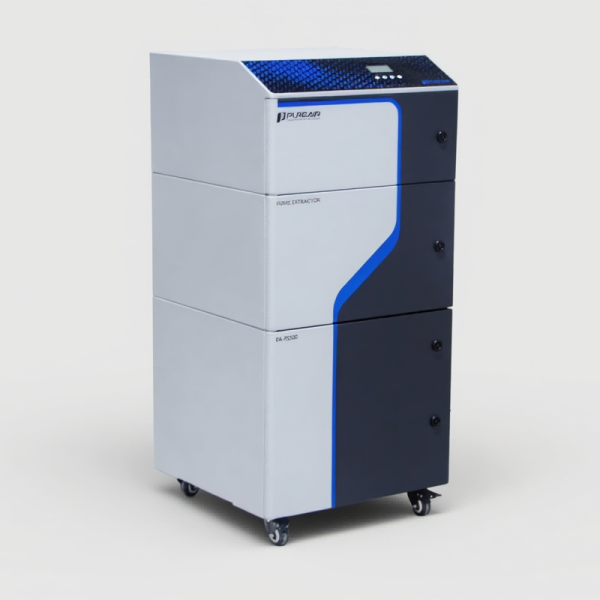
Why Traditional Fixes Fall Short
I want to dive into a deeper layer here and call out where most shops get it wrong. The core topic is the 3D printing fume extractor — but I’ll be blunt: many so-called solutions are just louder fans or patchwork filters. In my view, simply adding a box with a fan and a HEPA filter doesn’t address VOC spikes, particulate matter, or uneven airflow. You still get dead spots where fumes linger. Look, it’s simpler than you think — airflow rate needs to match the printer output, and a proper stack (pre-filter plus activated carbon plus HEPA) matters more than brand lights and app dashboards. I’ve seen units with decent power converters and neat housings fail because they ignored sensor placement. That’s on equipment design and on how people install it.
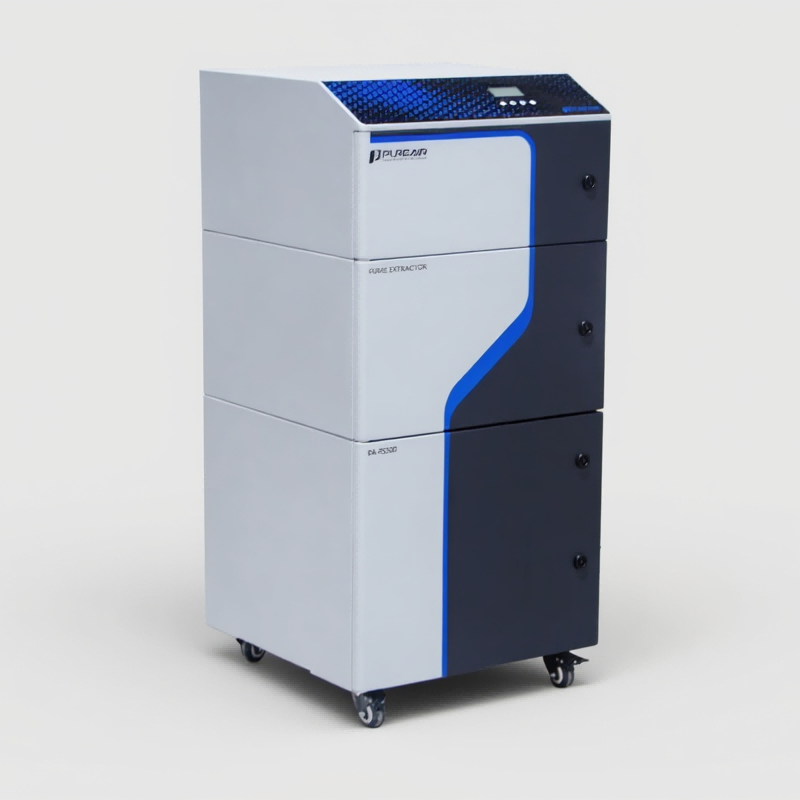
What’s the real pain for users?
Users tell me their top complaints: noisy units, clogged filters that are hard to swap, and alarms that don’t mean much. Those are not trivial. Poor filter access raises downtime. VOC sensors that drift force constant recalibration. Edge computing nodes in smarter extractors can help with predictive maintenance, but only if the firmware and user interface aren’t clunky. I believe the industry must stop selling loud, one-size-fits-all boxes and start offering systems designed around daily workflows.
Where We Go From Here: New Principles and Practical Steps
Now I switch gears and look forward. I prefer a practical lens — new technology principles that solve the user pains above. First, modular filtration: make the activated carbon and HEPA stages user-replaceable with clear service intervals. Second, smarter sensing: place VOC sensors and particulate monitors at the printer exhaust, not tucked into a corner. Third, matched airflow: design fans and power converters to maintain stable airflow across filament types. These steps lower maintenance and cut nuisance odors — and yes, they raise build quality in tangible ways. — funny how that works, right?
What’s Next
Imagine a small lab where each printer has a dedicated extractor tuned to its volume and filament chemistry. That’s feasible. We’ll see more devices using basic edge computing nodes to predict filter life and avoid surprise downtimes. Case studies already show shops cutting sick days and complaint logs when they switch to a system built around sensible sensor placement and user serviceability. I’m optimistic — but cautious. Implementation matters: poor UI can ruin a good sensor setup, and cheap filters will still underperform regardless of the electronics.
Practical Advice: How I Recommend Choosing a System
I’ll close with three concrete metrics I use when evaluating a 3D printing fume extractor for a shop. These are not marketing fluff — they’re things you can verify. First, airflow rate versus printer output: ask for measured cubic feet per minute at the plume point. Second, filter architecture and serviceability: can a tech swap the activated carbon or HEPA without tools in under five minutes? Third, sensing and alerts: are VOC sensors and particulate monitors placed at the source, and do alerts give clear next actions? Test these, and you’ll avoid most of the common headaches. — and yes, that matters.
I’ve worked with makers and small production teams long enough to know the difference between a gadget and a tool. We want extractors that stay out of the way, cut real exposures, and are simple to keep running. For those ready to look at options that match those goals, I recommend starting with product lines that focus on modular filters, clear sensor reports, and service-friendly design. For more specifics and model choices, check out PURE-AIR for a look at systems built around these principles: PURE-AIR.