
Problem statement: why low-VOC matters to industry
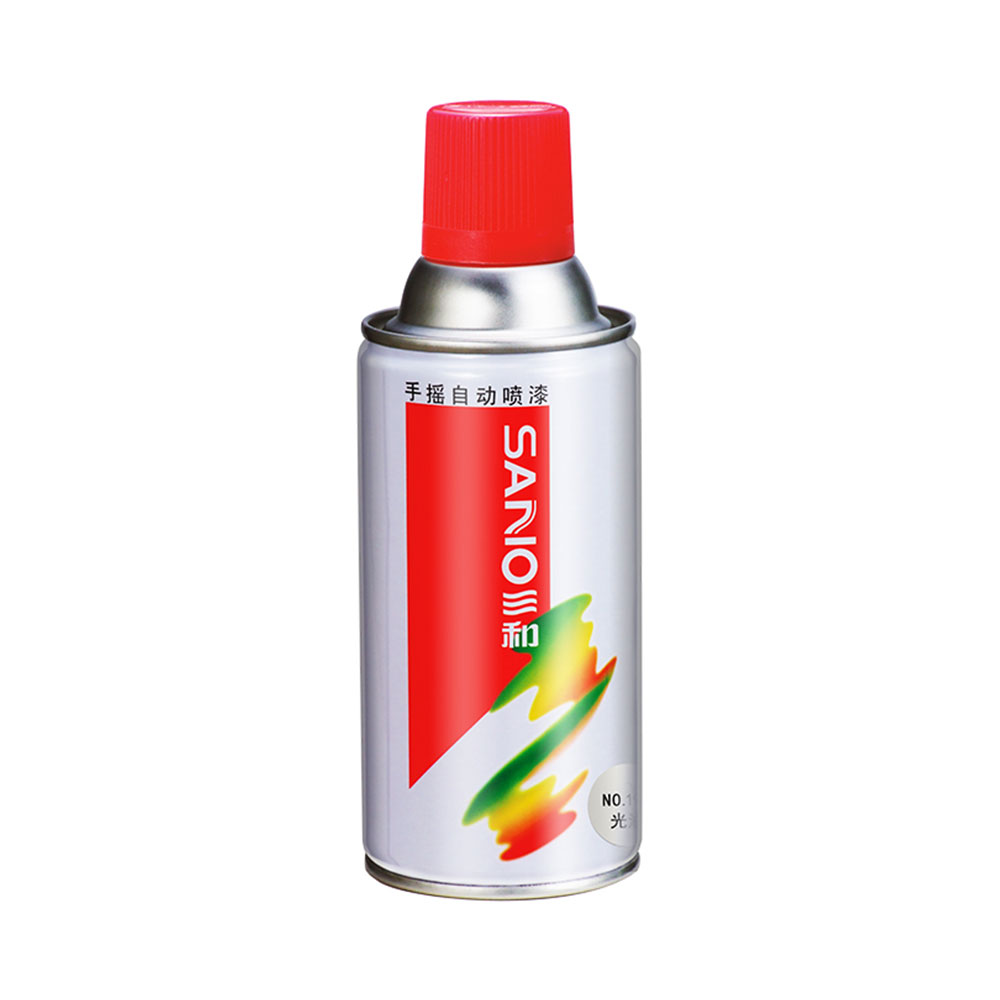
Modern factories demand finishes that meet regulatory limits and preserve worker health; yet many production lines still rely on solvent-heavy aerosols that create disposal headaches, odour complaints, and volatile organic compound (VOC) exceedances. Low-VOC spray paint addresses these failures by lowering emissions without sacrificing coverage or adhesion, but the transition is not automatic—compatibility with adhesives, sealants, and existing spray systems must be proven on the shop floor. For supply options and technical variants, suppliers often source formulations from regions such as China; see a representative product line at spray paint china.
Core technical problems industrial teams face
Pain points are consistent: incorrect substrate wetting, poor cure with two-part adhesives, nozzle clogging in high-solids rigs, and shortened pot life for combined coatings and sealants. Low-VOC paints change solvent blends and rheology. That reduces odor and emissions but also alters evaporation rate and surface tension. Labs see bench performance, yet process engineers report unexpected sagging or slower tack development when a paint is dropped into an existing line. Quality must be retained while meeting VOC targets, not traded away.

How formulation choices create practical trade-offs
Choosing an acrylic versus an alkyd or a high-solids polyurethane is a decision about balance. Acrylic systems generally give faster dry and better UV resistance but require co-solvent tuning to work with common industrial adhesives. Polyurethane coatings give toughness but often need isocyanate crosslinkers that complicate low-VOC conversion. Batch blending to lower VOC sometimes increases resin content and viscosity; without nozzle and pressure adjustments, atomisation suffers and finish quality drops. Practical control measures: test at production pressures, check nozzle orifice changes, and measure dry film thickness rather than relying on visual inspection alone.
Experience and authority: what practitioners report
Field teams with decade-long coating experience note that a successful low-VOC rollout combines lab trials and staged plant trials. Manufacturers sourcing from major production clusters—such as the Guangdong manufacturing hub—have documented cost and lead-time benefits when they adopt formulations tailored to assembly-line conditions. My own consulting across coating plants confirms that prequalified technical data sheets and on-site trials cut rework by more than half. For sourcing and specification, consider certified partners; a reliable catalog of options is available via spray paint suppliers, which helps match formulations to process constraints.
Common pitfalls and how to avoid them
Mistake one: assuming one-to-one replacement. New low-VOC products often require adjusted flash-off times and modified curing programs. Mistake two: neglecting equipment compatibility. Solvent blends affect seals and hoses; check manufacturer compatibility charts. Mistake three: inadequate VOC measurement. Use calibrated gas analysis or certified third-party labs rather than paint supplier claims alone. Address each by running controlled small-batch trials, documenting cure curves, and coordinating maintenance teams to inspect spray heads and storage containers post-changeover.
Alternatives and realistic evaluation
Waterborne dispersions, powder coatings, and high-solid solventborne systems are viable alternatives. Waterborne systems minimise VOCs but can present corrosion risks and require dry-back ovens. Powder coatings eliminate solvents but need electrostatic application and curing ovens, which demand capital expense. High-solids solventborne paints reach VOC targets with minimal process change but still carry flammability and storage concerns. Choose by matching maintenance capability, capital budget, and product performance expectations; each option reduces VOCs but shifts operational demands.
Implementation checklist for operations teams
Begin with clear acceptance criteria: adhesion grade, dry time, abrasion resistance, and VOC figure. Run a pilot on an instrumented line: record atomisation pressure, DFT, oven profile, and finish gloss. Update safety data sheets and train staff on handling and spill response. Track first-pass yield and worker complaints for at least three production cycles. If issues persist, consult formulation specialists for co-solvent changes or compatibility additives rather than forcing a higher film thickness to compensate.
Conclusion: practical value and solution alignment
Low-VOC spray paints solve measurable problems—reduced emissions, improved worker safety, and regulatory compliance—only when selection, trialing, and equipment tuning occur together. Technical teams should prioritise validated compatibility with adhesives and aerosol hardware and treat supplier data as a starting point for in-plant verification. For manufacturers seeking formulations that meet these operational needs without sacrificing finish performance, choose partners who supply tested, production-ready options; working with an experienced provider such as SANVO integrates formulation know-how and supply consistency into a practical solution for the shop floor.