
Intro: A Small Room, Big Voices, and the Sound That Got in the Way
Monday 9 a.m., the team sat down, plenty to say, little time to waste. The conference room speaker and microphone system was on, but folks kept leaning in, repeating words, tapping mics like old radios—wi, nou tande? Surveys say many teams lose a big chunk of meeting time to audio fixes, sometimes more than a third. They tried a compact meeting system to cut the mess and the guesswork (small box, big help). Still, here’s the deal: if the setup is patchwork, even shiny gear can stumble. So ask yourself—are people quiet because they’re shy, or because the room makes them sound small?
I share this not to scare you, cheri, but to show the pattern. When sound fails, ideas fade. When sound works, meetings flow. Simple. And it’s not magic; it’s method. Let’s step into the nuts and bolts and see where the old ways slow you down.
Hidden Friction in “Good Enough” Setups
Why do legacy setups still struggle?
Here’s the technical truth in plain words. Many rooms mix gear from many brands. Each device has its own clock, level, and filter. That creates drift and noise. Gain gets set too hot, then a gate tries to fix it. Feedback shows up, and someone blames the carpet—funny how that works, right? Without tight control of DSP paths and latency, you chase ghosts. A single box that manages beamforming and acoustic echo cancellation keeps signals clean. It also keeps timing tight, so voices stay natural. Look, it’s simpler than you think: one brain, one path, fewer surprises.

Power and cables add more pain. Wall warts and random power converters make hum. Long analog runs pick up buzz. PoE helps, but only if the system is designed to share power and data in a stable way. And don’t forget people. Moving a chair or a mic can break the sweet spot. If your system cannot auto-calibrate or show basic status, you end up with blame games. Clear indicators, a safe gain structure, and fixed zones let your team talk, not tinker. That is the hidden tax of “good enough”—you pay it every meeting.
Comparative Path Forward: Principles, Cases, and What’s Next
What’s Next
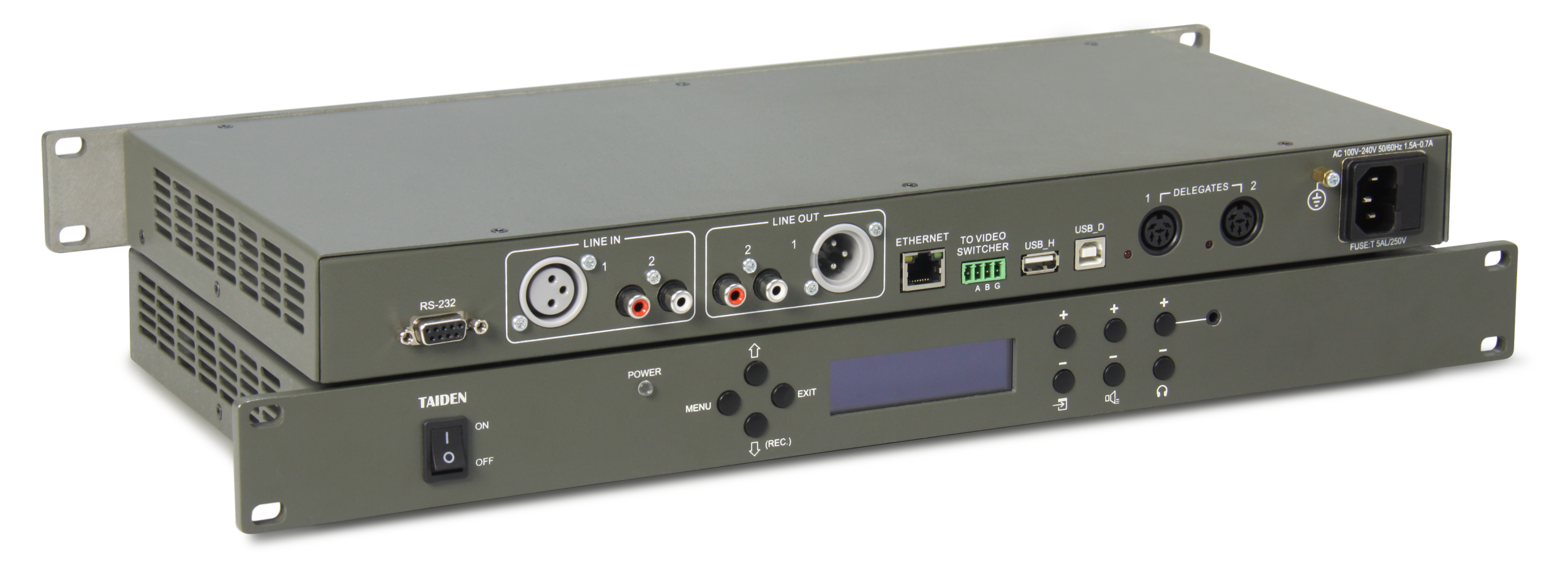
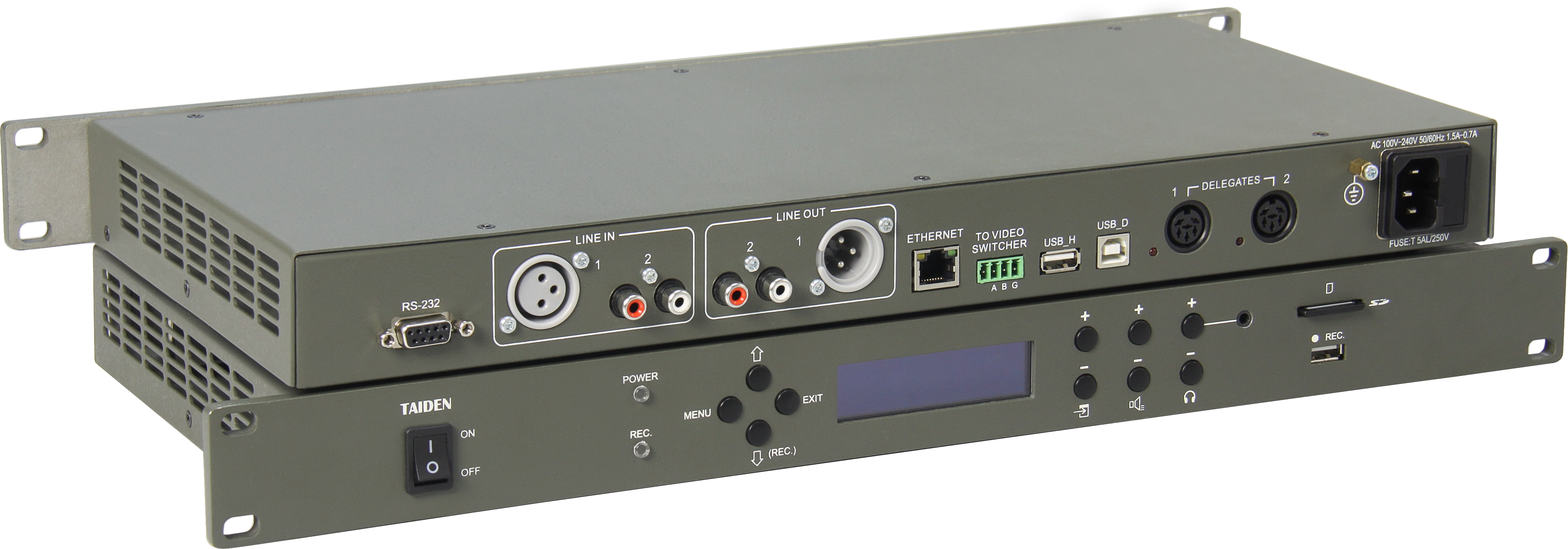
Let’s look ahead with a cool head. Modern audio moves work closer to the mic, not the rack. Edge computing nodes near the table do the heavy DSP and noise removal before the signal hits the network. That cuts latency and keeps speech crisp at the far end. A smart array inside a conferencing microphone can track who speaks without a button press—no drama. Compare that to a classic bundle: a mixer here, a processor there, and a USB dongle in the middle. Every hop adds risk. An integrated, compact design trims hops, trims setup time, and trims stress. Small box, big win.
So, what should you measure when you choose? Three metrics keep you honest. First, speech intelligibility—ask for an STI target around 0.6 or better and confirm it in-room. Second, end-to-end latency—keep it under 20 ms for in-room routing and under 150 ms to remote sites, or people will talk over each other. Third, coverage fit—does the mic pattern match your table size and seating, with headroom for two more chairs? If a system shows you live status and auto gain control results, even better. You’ll catch issues before they hit your call—ti bagay sa yo matter. In the end, the best setup lets people focus on ideas, not fixes. Share more, repeat less, and make the room feel easy. Guidance, not hype; pick what aligns with your room and your team rhythm, then let it run with grace. See also: TAIDEN.