
Problem statement: inconsistency as the primary barrier
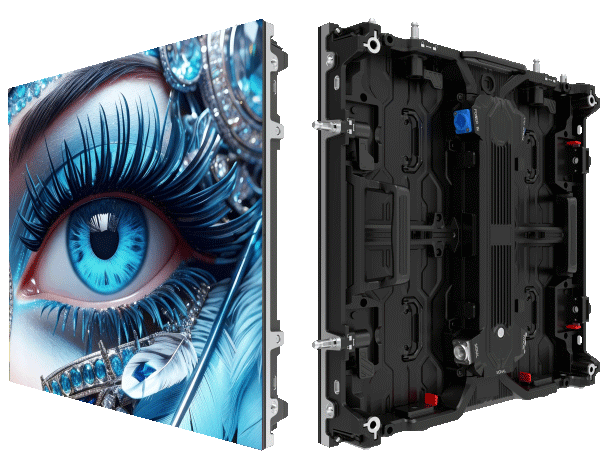
Large-scale brands commit to identical visual experiences across continents, yet actual deployments of mass-produced GOB LED displays often diverge in color uniformity, durability, and serviceability. This problem-driven review identifies where the variance emerges and what operational controls reduce it. Early in rollout phases, procurement teams encounter mismatch between factory specifications and field behaviour; operators find that pixel pitch and cabinet tolerances, not marketing copy, determine perceived quality. For outdoor installations, consider also product lines such as led outdoor screens which must reconcile weatherproofing and brightness consistency across batches.
Root causes: manufacturing, logistics, and installation gaps
Variation arises from three vectors. First, manufacturing tolerances: component sourcing for SMD modules and LED drivers differs by lot and supplier, affecting brightness (nits) and refresh rate stability. Second, logistics and storage: humidity and handling during transit change optical adhesives and connector reliability. Third, field processes: inconsistent calibration practices and poor cabinet alignment amplify small factory deviations. A single misaligned cabinet will make a contiguous video wall appear fragmented, even when each panel meets nominal spec.
Operational controls: a concise framework
Adopt a modular checklist that translates to procurement, QA, and site teams. Key elements: batch traceability, incoming inspection of pixel pitch and brightness, burn-in under target ambient conditions, and a documented calibration protocol for colour and gamma. Integrate a controller acceptance test that verifies refresh rate and synchronization across up to the full configuration. These measures are procedural but precise; they prevent variability where it matters most for brand perception.
Technical specifics every program must enforce
Enforce tolerance bands rather than single-point specifications. For example, define acceptable ranges for pixel pitch variance, acceptable brightness deviation in nits across the full wall, and allowable refresh rate drift over time. Specify cabinet flatness and connector robustness in procurement contracts. Calibration procedures should mention both LUT application and optical calibration by spectroradiometer, plus periodic verification. Equipment lifecycle planning must include spare-module strategy and firmware version control to avoid mismatch during repairs.
Field practice and common mistakes
Many teams omit pre-installation validation at the site. They accept factory testing as definitive, then discover seam-line colour shifts once modules acclimate. Another common error is inconsistent power distribution design, which causes uneven brightness under load. Also, teams frequently neglect software harmonization—controllers with different firmware introduce screen tearing and refresh artefacts. Address these by mandating site burn-in, verifying power cabling and breaker sizing, and locking controller firmware at deployment.
Real-world anchor: lessons from high-visibility installations
Times Square remains an instructive example: its concentration of digital billboards demands repeatable quality across many vendors and replacement cycles. Successful operators there insist on strict cabinet interchangeability, frequent photometric audits, and a spare inventory sized to worst-case failure scenarios. Such practices keep content consistent for millions of daily viewers while reducing emergency interventions.
Implementation checklist and human factors
Technical rules must pair with clear responsibilities: procurement defines tolerances; QA enforces incoming tests; site engineers own calibration and periodic audits. Documentation is the human interface that prevents knowledge loss during personnel changes. — A short remark: plan for staff turnover when you design onboarding documents.
Advisory: three golden rules for selection and deployment
1) Specify measurable acceptance criteria: list pixel pitch variance, brightness (nits) deviation, and refresh rate values that a shipment must meet before installation. 2) Require field-verifiable calibration procedures and spare-module logistics to enable same-day repairs and maintain cabinet interchangeability. 3) Lock firmware and controller versions; include synchronization and processing tests in site acceptance. These three rules produce objective expectations and reduce subjective dispute.
Deployments that follow this playbook will show fewer visible defects, shorter mean time to repair, and steadier brand presentation — measured results that benefit marketing and operations alike. MR LED. –