
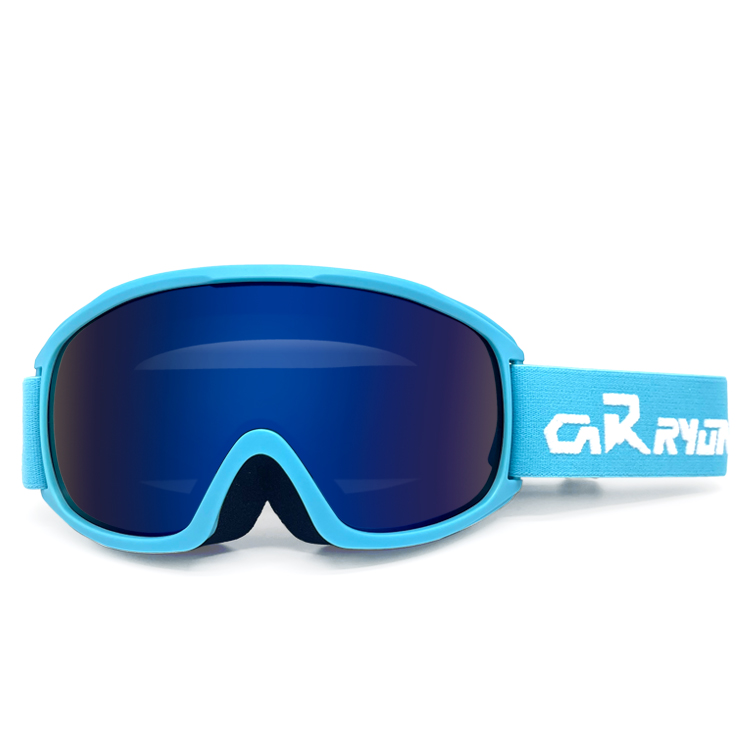
A Shadowed Comparison: Two Polymers at the Forge
The factory air smells of oil and cold metal, where dual-injection molding marries TPU and TPE into a single frame—one part resilience, one part forgiving grip. TPU brings toughness and memory; TPE lends soft contact and local compliance. This comparative glance is not academic. It maps onto the ride: firm chassis where the lens trusts its seat, soft rims where the face meets rubber. Within this union lies the engineering that defines modern snowboard goggles, and the results show in lens retention, flex patterns, and impact performance.
Performance on the Mountain: Visibility, Fit, and Breath
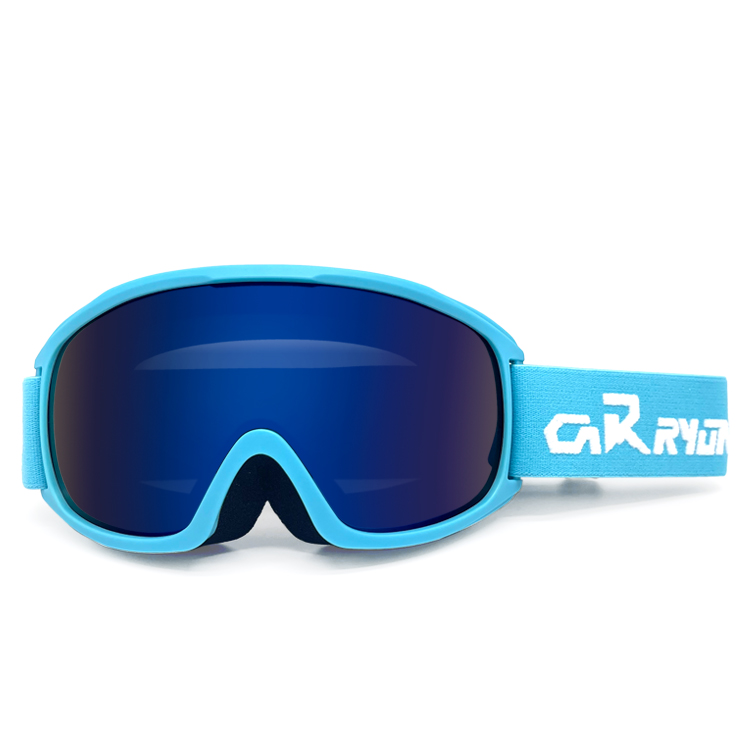
At high altitude—think Aspen’s pale light and thin air—fogging is a tangible threat. Anti-fog coating, strategic venting, and correct gasketing become instruments of survival. TPU frames hold precise tolerances for spherical lenses and keep optical alignment under stress; TPE contact points seal against drafts and reduce pressure points. The mix determines whether a rider sees a tree line or merely a smear of motion. For those who require corrective optics, choosing the right frame directly affects compatibility with best prescription ski goggles—OTG accommodation and lens swap mechanics are not optional details but functional necessities.
Manufacturing Trade-offs: Weight, Repairability, and Lifecycle
Mass production via dual-shot molding streamlines assembly but locks design choices into a finished part. TPU sections resist abrasion and delamination; TPE zones can be softer than expected and susceptible to long-term creep under constant tension. Weight shifts subtly—stiffer TPU adds mass but improves snap-back after impact; softer TPE lowers rebound and cushions. This balance shapes warranty claims, field repairs, and user perception. Manufacturers who cut corners on material grade invite early failures—an ugly, avoidable corrosion of trust in a product meant for harsh conditions.
Common Mistakes and Practical Alternatives
Riders, designers, and small brands often err by prioritizing form over function: exotic frame silhouettes that choke ventilation, or plush TPE durometers that flatten under strap tension. Choose function first—fit profile, lens interchange systems, and anti-fog strategies. Consider alternatives: full-TPU frames for race helmets that demand rigidity; layered TPE inserts where seal and comfort trump tactile stiffness. Vent geometry, not veneer, solves most fogging complaints—add micro-vents and channeling rather than relying solely on coatings. —Small choices in gasket thickness often ripple into major fit problems; test with a range of faces.
Material Terms and Field Notes
Keep these field terms nearby: TPU for structural integrity, TPE for interface cushioning, and spherical lens geometry for wide, undistorted vision. Polarized and photochromic lenses remain lens choices separate from frame chemistry but must align with frame clearance and venting strategies. Sizing and strap anchoring are simple things, yet they determine whether an advanced polymer pairing performs as a crafted solution or a fragile compromise.
Three Golden Rules for Selecting Custom Goggle Frames
Rule 1: Prioritize optical stability—verify that TPU regions secure lens seating under repeated impacts. Rule 2: Demand controlled sealing—TPE contact points must be specified by durometer and tested for creep at cold temperatures. Rule 3: Test ventilation holistically—combine passive vent channels with anti-fog coatings and verify performance in real-world cold-warm cycles. These metrics give measurable checkpoints during design reviews and field testing, allowing teams to predict service life and user satisfaction.
The dark craft of melding TPU and TPE is not an arcane trick but a set of applied choices that map directly to rider safety, comfort, and the economics of production. Brands that respect the law of fit, optic, and airflow—those who prototype in real conditions rather than on glossy renders—deliver frames that endure. YIJIA Optical stands as a practical partner where material honesty meets thoughtful design—trusted frames, tested lenses. Authority, quiet and sure.
—final thought: engineering that remembers the face.