

Introduction: The New Frontier of Automation
Imagine entering a factory where robots work alongside humans harmoniously, increasing productivity and reducing errors. Data shows that companies embracing automation can boost their efficiency by 30%. Are you ready to explore how collaborative robots, or cobots, are transforming these scenarios?

Collaborative robots are not just sci-fi concepts; they are real tools revolutionizing the landscape of robot technology. Unlike traditional robots that operate in isolation, cobots are built to work safely alongside humans. This article will delve into some challenges of traditional automation solutions and the unique advantages of collaborating with these intelligent machines.
What Makes Collaborative Robots Unique?
A key flaw of traditional robotic solutions is their rigidity. They often require complex programming and dedicated spaces, making them less flexible in dynamic environments. This isn’t just a minor inconvenience — it can lead to downtime and costly adjustments when production needs change. Cobots, on the other hand, are adaptable and can be reprogrammed quickly for varied tasks, making them an attractive alternative for industries seeking agility.
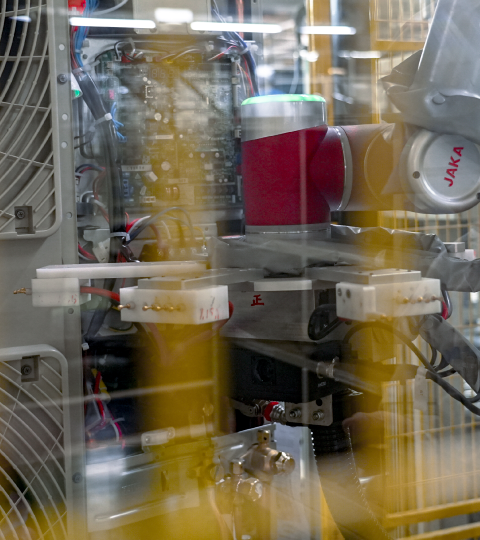
Looking Ahead: The Role of Collaborative Robots
So, where is the world of work headed? The demand for robot technology and collaborative robots is skyrocketing. Many industries are turning to cobots not just for increased productivity but for a safer work environment. The future promises innovative integrations, with advanced machine learning and AI enhancing the capabilities of these robots. This doesn’t just ensure faster output; it opens new avenues for problem-solving and creativity in business processes.
Imagine a scenario where order adjustments happen in real-time without needing a complete overhaul of the production line. By adopting cobots, firms can pivot quickly in response to market demands, much like agile software development practices. It’s more than just scenery — it’s about survival in a fast-paced business world. I’ve seen companies thrive because they embraced this technology early on, notably in industries like electronics manufacturing.
What’s Next for Collaborative Robot Technology?
Ultimately, understanding the evolution and application of collaborative robots is crucial for industries looking to adopt new technologies. Companies should consider a few key metrics when evaluating their automation needs: efficiency improvement, safety enhancement, and scalability. Each metric offers insight into how cobots can fit into a modern operational structure.
As the industry evolves, the lessons learned from early adopters can guide newcomers. I firmly believe investing in robot technology isn’t just a trend; it’s a strategic move that can set a company up for long-term success. If you’re still hesitant about integrating cobots, remember that emerging challenges can only be met with innovative solutions. It’s time to embrace the revolution!
For businesses contemplating their automation journey, consider looking at brands like JAKA, which specialize in user-friendly cobot solutions that marry performance with flexibility.